Is It Safe For Americans To Go To Rome Right Now?
Official advisories, real crime data and on-the-ground rules for American visitors to Rome in 2026, with the free ways to see the city safely.
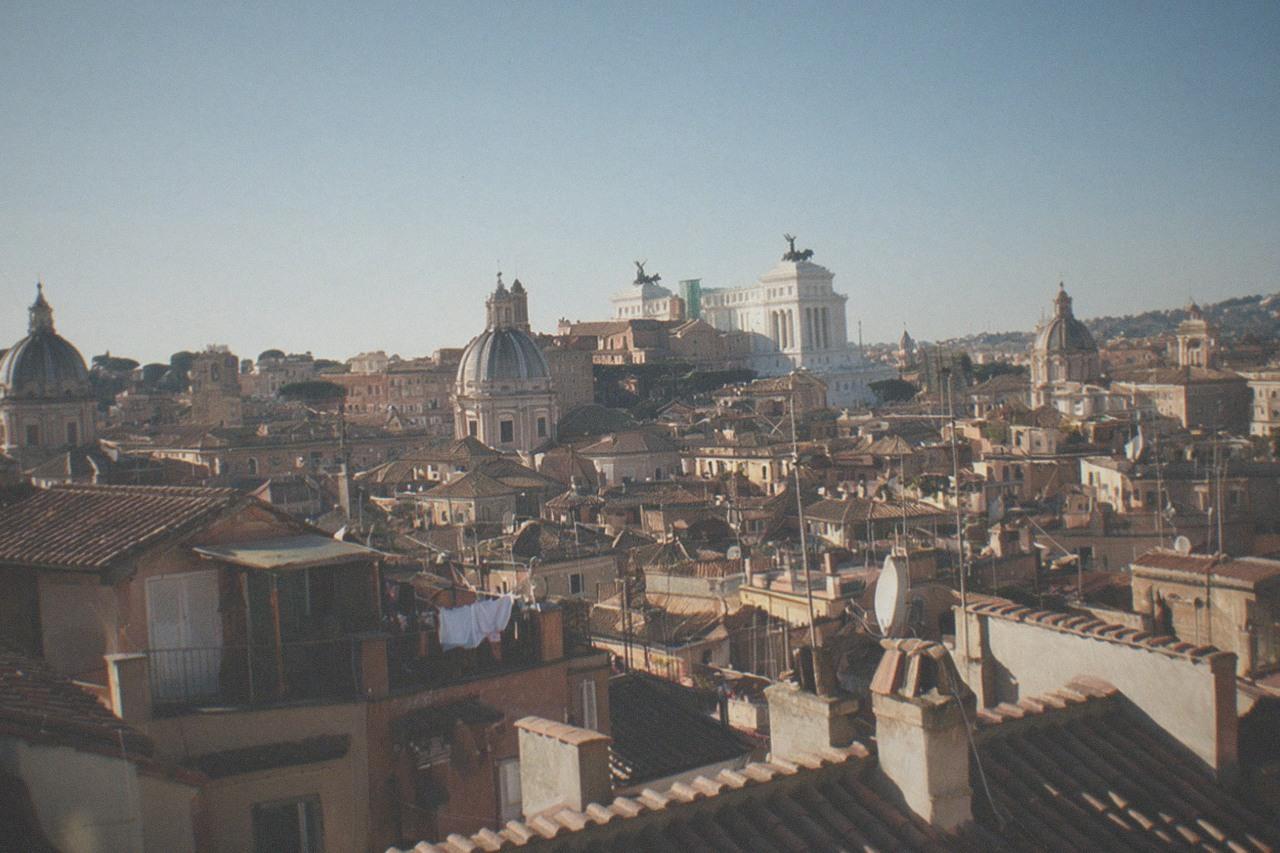
Is It Safe For Americans To Go To Rome Right Now?
Yes, Rome is safe for American visitors under the normal definition of the word: millions of tourists walk it every year, the United States rates Italy at Level 2, Exercise Increased Caution, on terrorism grounds rather than crime, and no Western government names a single Rome neighbourhood as dangerous. The real, measurable risk is petty theft, above all pickpocketing, and that risk is managed with habits rather than avoided.
The question deserves a better answer than a forum thread. Rome recorded 22,965,222 tourist arrivals and 52,920,135 overnight stays in 2025, and the overwhelming majority of those visitors had no incident at all. The United States State Department's Italy advisory stands at Level 2, updated May 2025, and its caution concerns terrorism as a general European risk, not street crime in Rome specifically. The UK Foreign Office gives general crime guidance for Italy and, like the American advisory, declines to name any Rome district as a place to avoid (see American Mistakes In Italy).
That refusal to name neighbourhoods is itself information. Two governments with full access to intelligence and consular incident data looked at Rome and chose not to warn anyone off any part of it. When a blog tells you to avoid a specific neighbourhood at night, it is offering an opinion that no official body shares.
What the data does show is a city with a serious petty-theft problem concentrated where tourists concentrate. That is the honest shape of the answer: violent crime against visitors is rare, opportunistic theft is common, and everything else on the safety list, heat, transport fines, scams, is a planning matter. This article works through each of those using official sources, and points to the free, guide-led ways of seeing the city that also happen to be the safest, because a licensed local guide knows exactly where the tricky spots are.
One practical note before the detail: a good way to anchor yourself in the center on a first day is a pay-what-you-want walking tour with a licensed guide. The Bilingual Center Walk, 2 Hours 15, rated 4.82 across 1,529 GuruWalk reviews, runs in English and Spanish from Foro Traiano and covers the historic core in the company of someone who walks it daily.
What Do The Official Travel Advisories Actually Say About Rome?
Both the US State Department and the UK Foreign Office advise normal caution for Italy and neither names any Rome neighbourhood, piazza or district as unsafe. The American advisory sits at Level 2, Exercise Increased Caution, and its stated ground is terrorism, the same standing caution that applies across much of Europe, not crime in Rome. Consular advice for the city is limited to guarding valuables against pickpockets.
Reading the actual advisory text rather than a summary of it changes how the question feels. The State Department's Italy page, at Level 2 since May 2025, tells travelers to exercise increased caution "due to terrorism", and its crime section for Italy focuses on pickpocketing, bag snatching and scams targeting tourists at ATMs, train stations and major sights. The UK's FCDO Italy travel advice covers the same ground in the same generic terms: vigilance against theft, awareness of scams, no geography.
The gap between that official caution and what anxious readers imagine is wide. Level 2 is the same level the State Department assigns to a large share of Western Europe, including popular destinations Americans visit in the millions without a second thought. It is not a warning against travel. It is a standing instruction to keep your wits about you, which in Rome chiefly means keeping a hand on your bag on the 64 bus and not leaving a phone on a café table.
For Americans specifically, there is no Rome-specific warning of any kind. There is no advisory against visiting, no district named, no elevated rating for the city compared with the rest of Italy. The practical reading is that your government considers Rome a normal European capital with a normal European capital's theft statistics.
If the anxiety is about being an obvious foreigner, it helps to know that Rome absorbed 33,475,369 pilgrims and visitors during the 2025 Jubilee year and kept functioning. Americans are one nationality among dozens in the crowds around the Pantheon and the Trevi Fountain, and nobody is singled out. Thieves in Rome select for distraction, not for passport color. This stop sits on a free walking route, 11 Spots, 2 Hours 45.
A guided walk is also a low-stress first move for a nervous traveler, and the free-walking-tour format means it costs nothing up front. Three options that fit the safety-and-sightseeing brief together:
Is Pickpocketing A Real Risk For American Visitors?
Yes, and it is the one crime statistic in Rome that genuinely concerns tourists: 33,431 thefts by stealth were recorded in the province in 2024, the category that includes pickpocketing, alongside 2,008 street robberies. The risk is concentrated at Termini station, on crowded buses, and at the major sights, and it falls sharply with a few basic habits.
The number comes from the Indice della criminalità compiled by Il Sole 24 Ore from Interior Ministry data, published in November 2025 for calendar 2024, and it is worth reading in full: the index ranks the province of Rome third in Italy for total reported crimes per 100,000 inhabitants and second nationally for theft. Those rankings sound alarming until you remember that Rome province contains the country's largest tourist concentration, and theft by stealth is a crime that almost only visitors and commuters experience.
Where it happens is no mystery. Termini station, the 64 and 40 buses between the station and the Vatican, the metro at rush hour, and the dense pedestrian flows at the Trevi Fountain, the Pantheon and the Spanish Steps are the classic settings. Piazza di Trevi alone records an average of 30,000 accesses a day, peaking at 70,000, in the city's own figures, and crowds of that density are exactly what a pickpocket needs. One of the free walking routes passes through here: Bilingual Center Walk, 2 Hours 15.
| Risk | How real for visitors | Where it concentrates | The fix |
|---|---|---|---|
| Pickpocketing | High: 33,431 thefts by stealth in the province in 2024 | Termini, crowded buses and metro, Trevi, Pantheon, Spanish Steps | Zipped front-worn bag, phone off tables, wallet out of back pocket |
| Street robbery | Low but rising: 2,008 in 2024, up about 22 percent | Same tourist corridors, late at night | Normal city sense, lit streets, night buses |
| Ticket touts and fake guides | Real: 20 men sanctioned near St Peter's and the Colosseum in November 2025, over 10,000 euros total | Via della Conciliazione, Colosseum approaches | Book verifiable listings, check the guide on the national register |
| Heat | Very real: 40.1 degrees on 29 June 2026 | Unshaded squares and queues in June to September | Morning itineraries, nasoni fountains, heat bulletins |
| Transport fines | Avoidable: 104.90 euros for an unvalidated ticket | Any bus, tram or metro | Validate every ticket, or tap contactless with the automatic cap |
The defenses are unglamorous and effective. A zipped cross-body bag worn in front, a phone that goes into a pocket rather than onto a table, a wallet not in a back pocket, and nothing of value in a backpack worn on a packed bus. Visitors who do those things rarely report a problem. Visitors who carry a passport, cash and two phones in an open tote through Termini sometimes do.
One scam pattern worth naming, because it is targeted rather than opportunistic: unlicensed ticket touts and fake guides. In November 2025 Polizia Locale units stopped 20 men near St Peter's and the Colosseum park selling bus tours, Vatican tickets and site access at inflated prices, with sanctions exceeding 10,000 euros in total. The defense is simple: book through channels you can verify, and for guided walks check that your guide is on the national register, which the Tourism Ministry lets anyone search by region. One of the free walking routes passes through here: English Ancient Rome, 2 Hours 15.
If the worry is being alone in an unfamiliar city, a small-group walk solves it for nothing. The question of whether these tours are worth it at all is covered in detail elsewhere on Free Things To Do In Rome, including how the pay-what-you-want model works.
Are There Areas Of Rome With Official Security Measures?
Yes, but they are crime-prevention zones, not no-go areas. The Prefect of Rome designated the Colosseum, Fori Imperiali, Colle Oppio and Piazza Venezia area a "zona rossa" in late August 2026, running to 24 December 2026, giving police powers to remove people with records for specified offences. Earlier ordinances cover Termini, Esquilino and San Lorenzo for similar reasons.
The zona rossa mechanism is the clearest official statement that exists about where Rome's problems are, and it is worth understanding correctly. It does not mean the area is dangerous for visitors. It means the authorities have identified predatory crime and drug dealing around the main tourist corridor and given police stronger tools to move the perpetrators on. For an American family walking from the Colosseum to Piazza Venezia, the practical effect is a heavier, more visible police presence, which is a comfort rather than a warning. This stop sits on a free walking route, Colosseum Walk, Bilingual, 1 Hour 45.
The same ordinances have covered Termini station, the Esquilino district including Via Marsala and Piazza dei Cinquecento, and San Lorenzo for some time, renewed in late 2025. These are the areas where the city's own statistics show street crime concentrating, and where enforcement is therefore focused. Nothing in any of the ordinances tells tourists to stay away, and nothing in any government travel advice repeats them as a warning.
It also helps to know what licensed guiding looks like in Italy, because the enforcement is partly about that. The national register of tourist guides created by the law of 13 December 2023 requires every practising guide to be inscribed, and from 26 August 2026 registered guides can carry a photo badge with a QR code that anyone can verify. In September 2025, Polizia Locale near the Pantheon stopped a man giving tours from a golf cart with a fake guide badge and fined him 4,000 euros. The bad actors are being removed; the walks on this site's directory, all listed on GuruWalk with published ratings, are run by independent local guides whose track records are visible before you book. This stop sits on a free walking route, Two-Hour Highlights Walk.
Is Rome Safe At Night For American Tourists?
Broadly yes, with the same caveat as daytime: no official body rates Rome neighbourhoods for safety, and the night risks are pickpocketing in crowded bar areas and ordinary big-city sense, not violent crime. Several of Rome's best free sights are officially open late, including Sant'Ignazio church until 23:30 and the Gianicolo viewpoint around the clock, which tells you how the city itself regards being out after dark.
The honest framing comes from the negative finding: no official source, Italian or American, publishes a list of unsafe Rome neighbourhoods. Every "avoid this district at night" listicle is opinion. What can be said from the record is that the Prefect's zona rossa measures include night-time coverage of the centro storico, that ATAC expanded its night bus network in July 2026 with lines running every 8 to 10 minutes on Saturday nights and travel assistants on Thursday, Friday and Saturday nights, and that the city keeps major viewpoints and at least one major church open late.
Rome at night is also when the city is at its most generous for free. The Trevi Fountain stays visible free from the square at any hour, after the 22:00 ticket cut-off for the inner perimeter, and the artistic lighting grid run by the ACEA group company Areti includes roughly 6,000 points of light on monuments, which is why the centro storico glows the way it does. A walk past floodlit monuments is one of the safest and cheapest evenings available, and the evening ghost-and-mystery walks on GuruWalk, such as the Ghosts and Mysteries tour rated 4.62 across 3,806 reviews, exist precisely because the night city is walkable. This stop sits on a free walking route, Bilingual Secrets Of Rome.
The detailed neighbourhood-by-neighbourhood discussion, with the same official-sources-only discipline, is in the companion piece on where to avoid in Rome at night, and the free late-evening options are gathered in the guide to free things to do in Rome at night.
What About Heat, Transport And Other Practical Risks?
The risks most likely to actually affect an American trip are heat and transport fines, not crime. Rome reached 40.1 degrees on 29 June 2026, the Health Ministry issues daily heat bulletins for the city, and riding ATAC transport without a validated ticket costs 104.90 euros, reduced to 54.90 if paid within five days. Both are fully avoidable with a little planning.
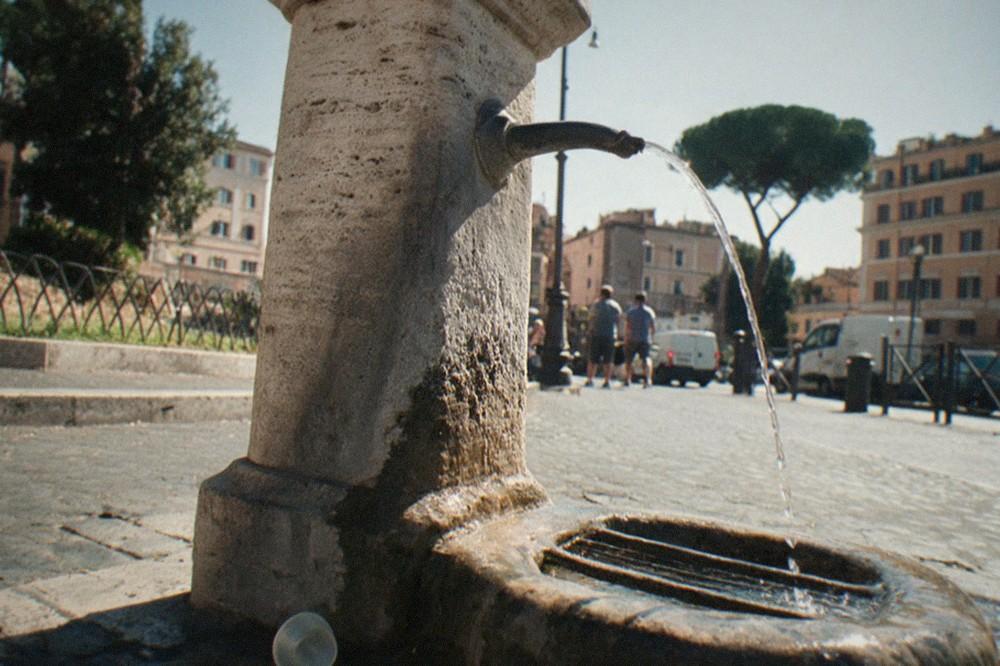
Summer heat is the underrated one. The Ministry of Health issued an orange heat-risk level for Rome on 1 and 2 September 2026 and a red, level 3, on 3 September, and its daily bulletin is the official source to check before a hot-day itinerary. The free mitigation is genuinely good: Rome has 2,800 public drinking fountains, the nasoni, serving the same water that reaches Roman homes, geolocated in the ACEA Waidy Wow app, though travellers report some individual fountains run dry, so treat any one fountain as a bonus rather than a guarantee. Walking tours in summer are best booked for morning or evening slots, and the two-hour format is easier in heat than a longer one.
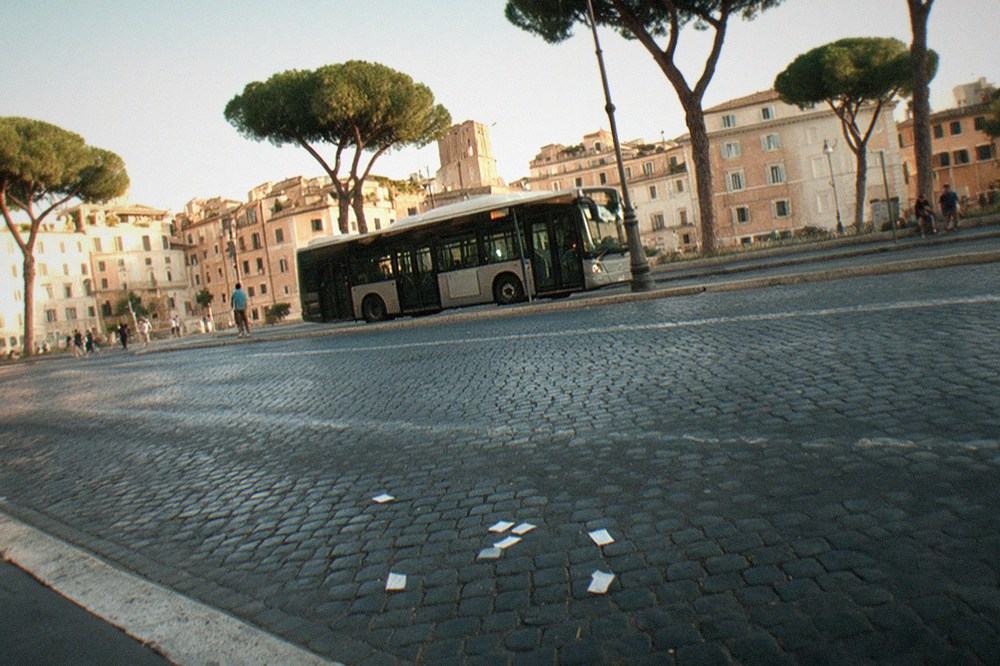
Transport is the other trap. Buses are not free: the standard BIT ticket costs 1.50 euros and is valid 100 minutes from validation, covering one metro journey, and children up to 10 travel free with a fare-paying adult. Contactless tap-and-go charges the same 1.50 per journey and automatically caps at the 8.50-euro 24-hour fare after four taps, so a tapping visitor cannot overpay. What catches tourists is validation: an unvalidated ticket is treated as no ticket, and the total penalty is 104.90 euros. Validate on boarding, every time.
The remaining practical list is short. Strikes are listed on the Transport Ministry's official register at scioperi.mit.gov.it, worth a glance before any travel day. Public toilets cost 1 euro at the main paid networks and are scarce, so plan around café stops, where an espresso at the counter averaged 1.19 euros in the province in 2026. None of this is danger; it is logistics.
How Can Americans See Rome Safely For Free?
The safest and cheapest way to see Rome is on a licensed guide's pay-what-you-want walking tour, listed on GuruWalk with visible ratings, supplemented by the free public sights: the squares, the churches, the viewpoints and the fountains. A guide handles the navigation, the crowd timing and the scam avoidance, and the cost is whatever you choose to tip, typically 10 to 20 euros per person.
GuruWalk's own Rome guidance puts the typical tip at 10 to 20 euros per person, with some walkers leaving up to 50, and the platform's tours normally cap at around 35 participants. Every walk in the site's directory is an independent local guide's listing with its rating and review count published, so the decision is made on evidence, not on a flyer from a tout. For the core sights, the Two-Hour Highlights Walk from Campo de' Fiori, rated 4.9 across 722 GuruWalk reviews, is a compact first-evening orientation that leaves the rest of the day free.
Around any guided walk, the free layer is deep. St Peter's Basilica is free to enter, open 07:00 to 20:00, with the security queue at the checkpoints in the right side of St Peter's Square. The Pantheon is ticketed but free for under-18s of any nationality, on the first Sunday of the month, and during Mass. The Gianicolo viewpoint is published by the city as always accessible with free entry, and its cannon has fired the noon shot daily since 1904. The state museums, the Colosseum included, are free to everyone on the first Sunday of the month, with on-site ticket collection.
The safety dividend of this approach is real. A licensed guide keeps you off the worst crowd crushes, times your arrival at the big sights, warns you about the specific pickpocket spots on the route, and walks you back toward transport at the end. For a first-time American visitor, especially a solo traveler or a family, that combination of free entry and professional local judgment is the single best risk reduction available, and it costs nothing until you decide what it was worth.
Common Questions About Rome Safety For Americans
Is It Safe For Americans To Go To Rome Right Now?
Yes. The US rates Italy at Level 2, Exercise Increased Caution, on terrorism grounds, and neither the American nor the British advisory names any Rome neighbourhood as dangerous. The measurable risk to visitors is pickpocketing, which basic habits largely prevent. Millions of tourists, 22,965,222 arrivals in 2025, visit without incident.
Is pickpocketing bad in Rome?
It is the city's main tourist crime. The province recorded 33,431 thefts by stealth in 2024, the category including pickpocketing, concentrated at Termini, on crowded buses and at the major sights. A zipped front-worn bag and a phone off the table prevent most of it.
Are there areas of Rome tourists should avoid?
No official body publishes such a list, so any blog naming districts is offering opinion. What exists officially are Prefect's "zona rossa" ordinances covering the Colosseum corridor, Termini, Esquilino and San Lorenzo, which increase police powers there rather than warning visitors away.
Is Rome safe at night?
Generally yes. Night buses expanded in July 2026, major viewpoints like the Gianicolo are officially always accessible, and Sant'Ignazio church is open until 23:30. The night risks are the same as the day ones: opportunistic theft in crowded areas.
What is the biggest practical risk for Americans in Rome?
Heat and transport fines outrank crime. Rome hit 40.1 degrees in June 2026 and the Health Ministry issues daily heat bulletins, while an unvalidated ATAC ticket costs 104.90 euros, reduced to 54.90 if paid within five days. Drink from the nasoni fountains and validate every ticket.
Are free walking tours in Rome safe?
Yes, and they are a good safety tool. The walks listed on GuruWalk are run by independent local guides with published ratings, and licensed guides in Italy are on a national register with QR-verifiable badges. A guide also handles crowd timing and route judgment for you.