Where To Avoid In Rome At Night?
No official body publishes a list of unsafe Rome neighbourhoods. Here is what the authorities have actually designated and measured, and how to plan a safe night walk.
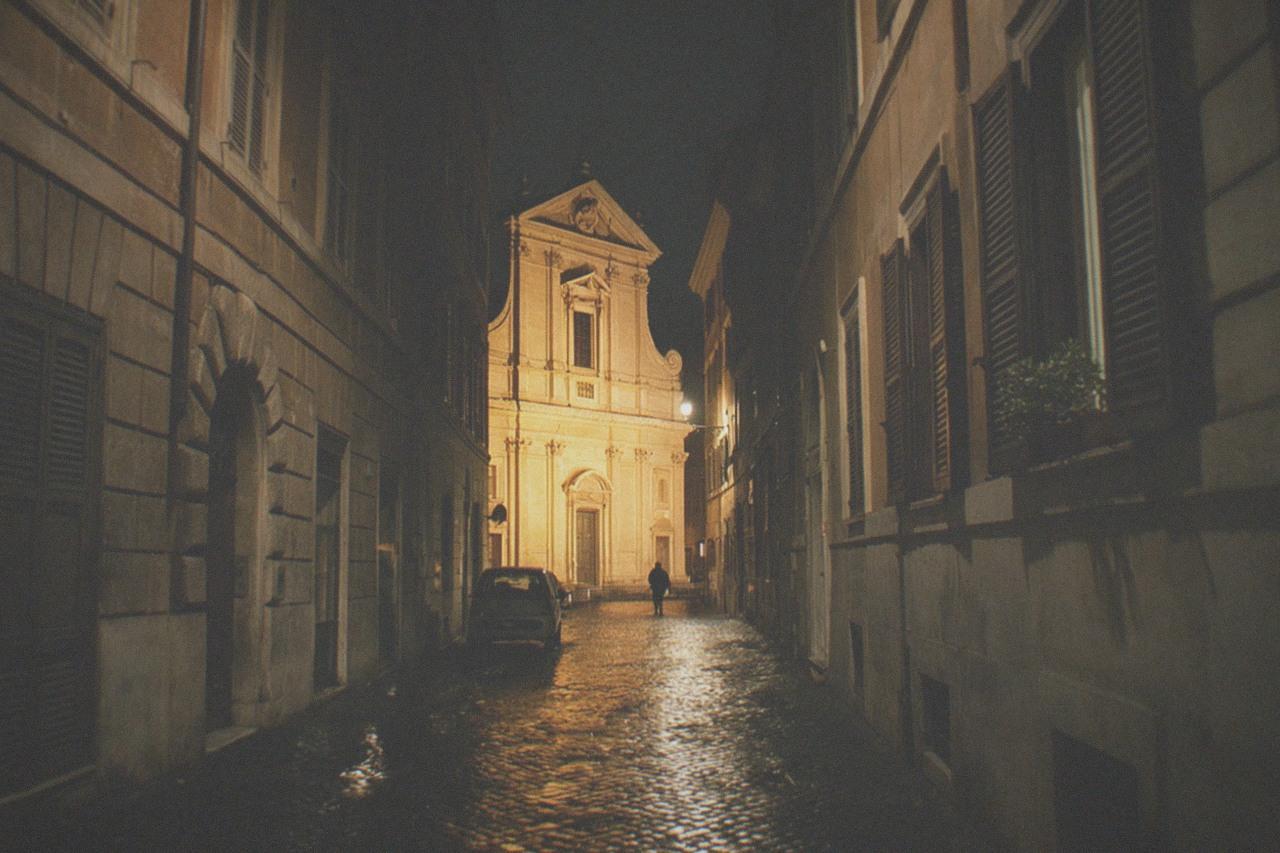
Where To Avoid In Rome At Night?
No official body publishes a list of Rome neighbourhoods to avoid after dark. Not Roma Capitale, not the Questura, not the Prefettura, and not the UK or US governments, whose travel advice for Italy gives general crime guidance and deliberately names no district. Every "avoid Trastevere at 2am" listicle you will find online is one person's opinion dressed up as a verdict. What the authorities do publish is more specific and more useful: designated security zones with dates attached, national crime statistics with real numbers, and transport rules for the small hours. This article is built on those three things, plus the free places that stay open late, because the practical question behind "where to avoid" is usually "where can I still safely walk."
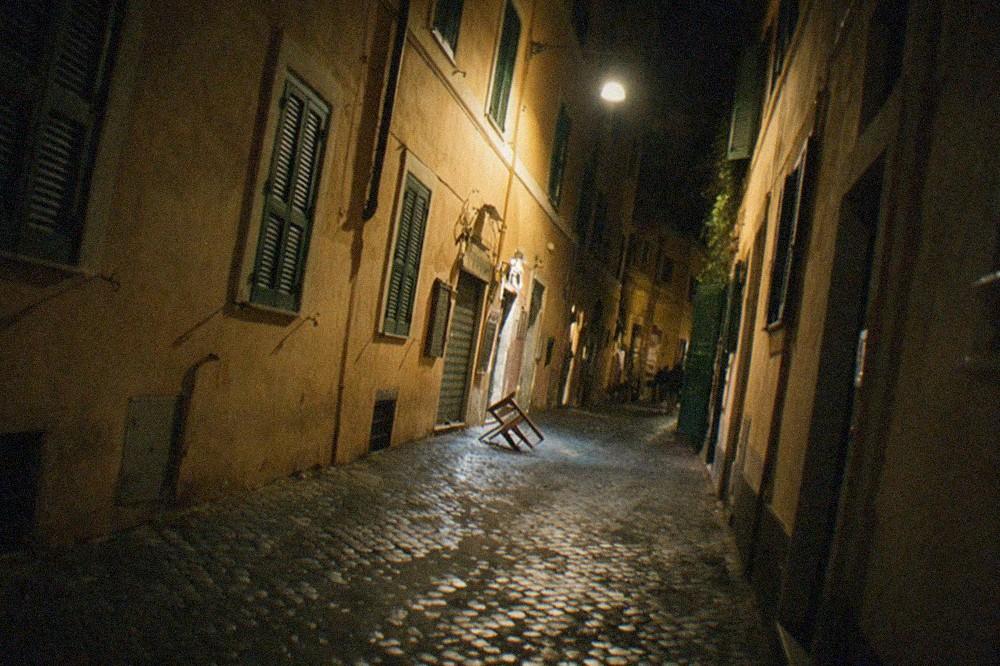
That framing matters, because the two most common mistakes people make about Rome at night cancel each other out. The first mistake is treating the whole city as dangerous after dark, which it is not: Rome recorded 22,965,222 tourist arrivals in 2025, and the overwhelming majority of those visitors walked around at night without incident. The second mistake is the opposite, assuming the postcard centre is uniformly safe because it is beautiful. It is heavily patrolled, which is a different thing.
The middle position, and the defensible one, is this: Rome's night risks are concentrated, specific and mostly economic rather than violent. Pickpocketing and petty theft dominate the statistics, and they cluster where crowds and transit hubs cluster. Violent crime against tourists is rare enough that it makes the news when it happens. The zones the state has actually flagged are flagged for predatory crime and drug dealing, not for anything a visitor strolling through would typically encounter.
If you want a guided introduction to the dark side of the city rather than a solo wander, there is a whole category of pay-what-you-want evening walks on GuruWalk, and the natural companion to this article is the evening ghost walk through the centre, which covers the same lanes this page talks about with a local guide who knows them block by block. For a broader map of what stays free after dark, the companion guide to free things to do in Rome at night covers the late-opening churches, terraces and squares in detail.
What Have The Authorities Actually Designated?
In late August 2026 the Prefetto di Roma designated the Colosseum, the Fori Imperiali, Colle Oppio, Piazza Venezia and adjacent areas a "zona rossa" by ordinance, running until 24 December 2026, giving police enhanced powers to remove people with records for specified offences. Earlier and renewed ordinances cover Termini station, the Esquilino district including Via Marsala and Piazza dei Cinquecento, San Lorenzo and parts of via Palmiro Togliatti. These are the only named areas in Rome with an official security designation attached, and they are named in writing, with dates, which no blog list can match.
It is worth being precise about what a zona rossa is. It is not a curfew and it is not a no-go zone. Tourists walk through the Colosseum area every night of the year; the ordinance exists to give the police a legal tool to move on individuals with recent convictions for specified offences, in response to predatory crime, drug dealing and incidents involving groups of youths. For a visitor, the practical reading is that these are the areas where the state itself has judged street-level crime concentrated enough to justify extraordinary measures.
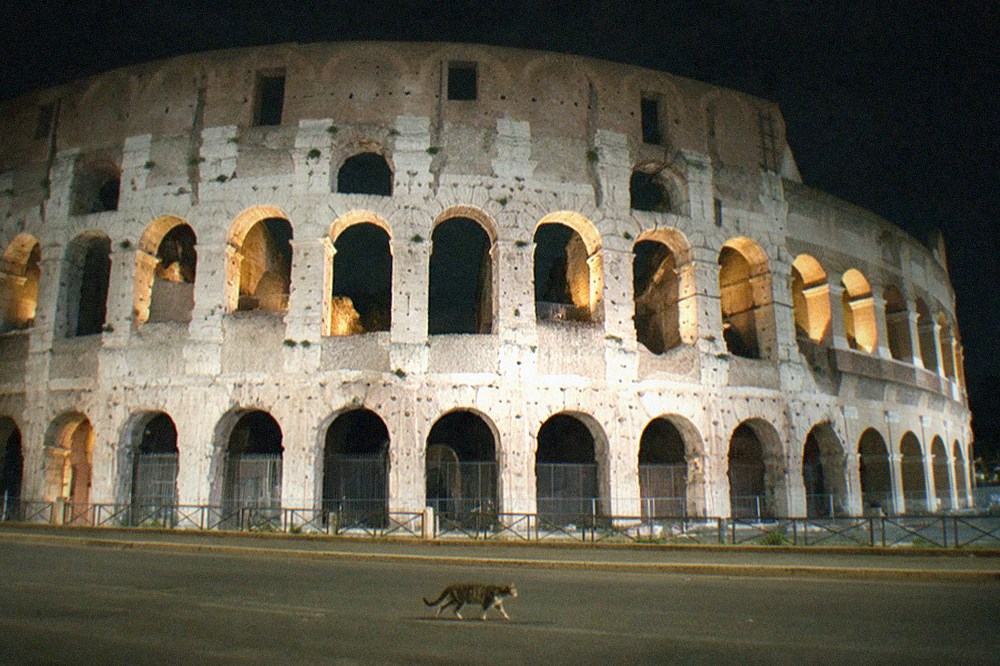
The designation also tells you where enforcement is heaviest. A zona rossa means more police presence, not less, which cuts both ways: the risk of encountering the problems the ordinance targets is real, and so is the likelihood of a fast response if something happens. That is a more honest basis for planning a night walk than any ranking of neighbourhoods.
| Official designation | Areas covered | Status |
|---|---|---|
| Zona rossa, ordinance of late August 2026 | Colosseum, Fori Imperiali, Colle Oppio, Piazza Venezia and adjacent areas | In force until 24 December 2026 |
| Earlier Prefettura ordinances, renewed | Termini station, Esquilino including Via Marsala and Piazza dei Cinquecento | Renewed, reported October 2025 |
| Further zona rossa measures | San Lorenzo, parts of via Palmiro Togliatti | Renewed, reported October 2025 |
| UK FCDO and US State Department advice | General crime guidance for Italy, US advisory at Level 2 on terrorism grounds | Neither names any Rome district |
One caveat belongs here rather than buried later: the ordinance text itself was not opened by this site's research, and the details above come from multiple independent press reports of the Prefettura's act. The shape of the finding is solid; the fine print is the state's, and the state has not published a tourist-facing summary.
Is Central Rome Safe To Walk At Night?
On the statistics, Rome's centro storico is comparatively safe at night: the city's real crime problem is theft, with 33,431 pickpocketing-category thefts recorded in 2024, against 2,008 street robberies, and violent crime against visitors is rare enough to be newsworthy. The national crime index published by Il Sole 24 Ore from Interior Ministry data ranks the province of Rome third in Italy for total reported crimes per 100,000 inhabitants, at 6,401.85, and second for theft. Those are sobering numbers, but they describe a city of nearly three million residents plus one of the world's largest tourist flows, not a war zone.
The number that should actually shape your behaviour is the pickpocketing figure. Theft by stealth, the category that includes pickpocketing, is what a tourist in Rome is realistically at risk of after dark, and it does not require a dangerous neighbourhood to happen. It requires a crowd, a distraction and a moment of inattention, which is why it concentrates around Termini, the bus corridors and the packed squares rather than in any "bad" residential district.
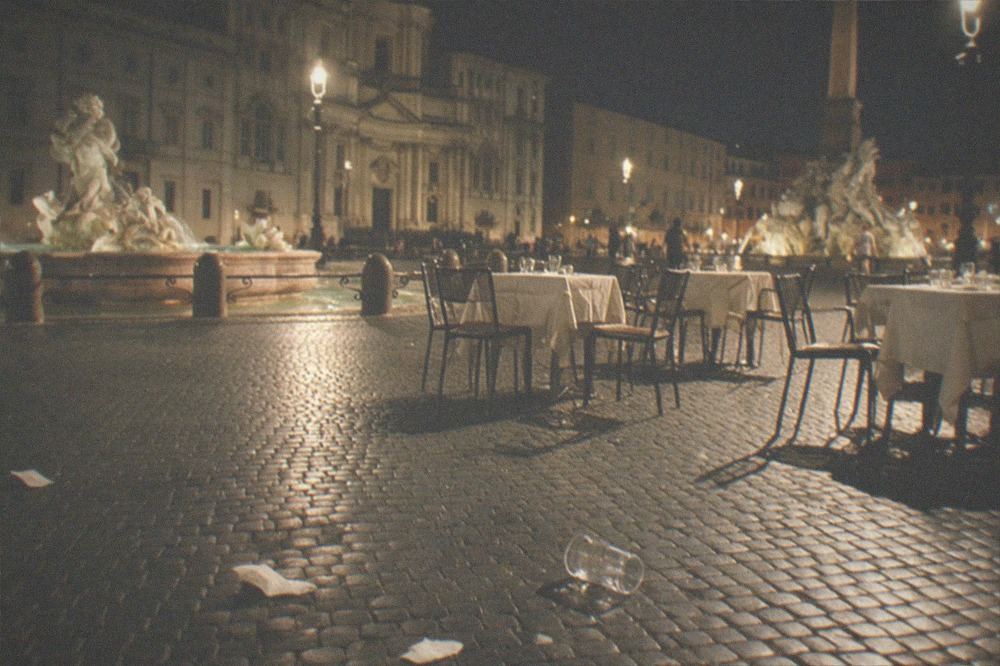
The violent-crime picture is different in kind. Street robberies in Rome rose about 22 percent year on year to 2,008 in 2024, which is a real increase, but spread across the city and the year it remains a low-probability event for any individual visitor, and the index that ranks Rome third nationally for total crime also reflects its size and its reporting rates rather than street-level danger. The crime index itself is the source to consult if you want the full breakdown.
For practical purposes, the advice that follows from the data is unglamorous: keep your phone off the table at outdoor bars, keep bags in front of you on night buses, and treat anyone who invades your personal space at an ATM or a ticket machine as a pickpocket rather than a nuisance. Those three habits cover most of the realistic night risk in the centre, wherever you walk.
If reading all this has made an evening in the dark lanes sound better with company than without, that instinct is sound, and it costs nothing to act on: every walk on Free Things To Do In Rome is pay what you want, so adding a guide to your evening is a decision about time, not money.
Termini And Esquilino After Dark
Termini station and the Esquilino district around it, including Via Marsala and Piazza dei Cinquecento, are the one part of central Rome with a standing official security designation, renewed by Prefettura ordinance and reported again in October 2025, specifically citing street-level crime. If any area answers the question "where to avoid in Rome at night" in official terms, it is this one, and even here the honest framing is "keep your wits about you and keep moving", not "do not go".
Termini is also where the night buses converge, which is exactly why it stays busy at all hours. The NMA, NMB, NMB1 and NMC night lines that ATAC expanded under its Piano Roma Notte from July 2026 all touch the station or its immediate area, running every 8 to 10 minutes on Saturday nights with travel assistants on duty Thursday, Friday and Saturday nights. A transit hub that the state has flagged for crime and that every night bus passes through is not a place to linger with luggage at 2am, but it is a place you can pass through deliberately.
The distinction to hold onto is between passing through and hanging around. Esquilino is a normal, lived-in Roman neighbourhood with restaurants and a market; its reputation after dark comes from the station's permanent floating population, not from residents. Walk from dinner to your bus with your bag closed and you are in a different risk category from someone standing alone at a ticket machine at 3am counting cash.
If your hotel is in the area and you are uneasy, the data-backed move is simple: take the night bus rather than a long walk through empty streets, and check the official transport strike register before you rely on any service, since a strike night is when the station gets its most chaotic. The register is run by the Ministry of Infrastructure and Transport and lists every proclaimed strike with dates and sectors. For how the whole walkability question fits together by day, the guide to getting around Rome on foot covers the distances and the transport costs.
What Stays Open And Free Late At Night?
Several of Rome's best night sights are officially open around the clock: the Passeggiata del Gianicolo is published by Roma Capitale as always accessible with free entry, the Aventine Keyhole is free at any hour, and Sant'Ignazio di Loyola is free and open daily until 23:30, the one major church you can walk into late. After the 22:00 ticket cut-off the Trevi Fountain also remains visible free from the square, in the city's own words, so the paid inner perimeter and the free view are two different things. This stop sits on a free walking route, 11 Spots, 2 Hours 45.
The Gianicolo deserves its place at the top of any night-walk list for a reason no listicle usually mentions: it is the one major viewpoint with an official, published, always-open status. Sixty thousand square metres of hillside above Trastevere, free to enter, no gate to close, with the whole lit dome of St Peter's below you. Rome's night look is not an accident either: the grid company Areti runs about 11,425 artistic and monumental light points across the city, roughly 6,000 of them on monuments, and the Mercati di Traiano alone gained 259 new LED projectors in 2025.
For the squares, the honest statement is that the Spanish Steps, Piazza Navona, Campo de' Fiori and Piazza della Rotonda are open public space with no published hours, which is why nobody publishes hours for them. They are free, unticketed and generally busy until late. The thing to plan around is not access but the walk between them: the lanes connecting the big squares are dim, quiet and perfectly normal at night, and the standard advice is to stick to the lit, populated routes rather than cutting through the darkest shortcut. This stop sits on a free walking route, Two-Hour Highlights Walk.
This is also where a guided evening walk earns its keep, and the centre's dark-history walks are the category that fits. The Ghosts and Mysteries walk, bilingual in English and Spanish, rated 4.62 across 3,806 GuruWalk reviews, runs an hour and a half from Lungotevere Castello and covers exactly the kind of dim lane this section is describing, with a guide who walks them nightly. It is pay what you want, like every walk this site lists, and it ends back in a populated area, which solves the getting-home question for the evening.
A second option covers similar ground with a different register: the Bilingual Secrets of Rome walk, in English and Italian, rated 4.84 across 398 GuruWalk reviews, runs two hours from Piazza Venezia and leans into the overlooked and the strange rather than the ghostly. Between them, the two walks bracket the historic centre's night geography, and either one doubles as a reconnaissance of the lanes you might later walk alone.
Getting Home After Midnight
Rome's night transport is better than its reputation: since July 2026 the NMA, NMB, NMB1 and NMC night bus lines run every 8 to 10 minutes on Saturday nights, with 72 extra journeys and travel assistants on Thursday, Friday and Saturday nights under ATAC's Piano Roma Notte. That expansion is the single most useful fact for anyone planning a late evening, because the old advice to budget for a taxi after midnight is quietly out of date on the busiest nights.
The buses are not free. A standard BIT ticket costs EUR 1.50 and covers 100 minutes from validation, and contactless Tap and Go charges the same per journey, automatically capping at the EUR 8.50 day fare after four taps in 24 hours, so a tapping visitor cannot overpay. Children up to 10 travel free with a fare-paying adult. Riding without a valid ticket costs EUR 104.90 all told, reduced to EUR 54.90 if paid within five days, which is a far worse outcome than any night-walk risk this article has described.
The one transport fact nobody can publish responsibly is metro operating hours: no official ATAC source for first and last metro departures could be verified, and the numbers circulating online come from unofficial sites. The night buses are the verified alternative, and the operator's own announcement of the expansion is the page to check for the current lines.
Common Questions About Where To Avoid In Rome At Night
Where To Avoid In Rome At Night?
No official body names unsafe neighbourhoods. The areas with an actual official designation are the Colosseum, Fori Imperiali, Colle Oppio and Piazza Venezia under a zona rossa ordinance running to 24 December 2026, plus Termini, Esquilino and San Lorenzo under earlier renewed ordinances. Everywhere else, the risk is pickpocketing, concentrated around crowds and transit, not violent crime.
Is Trastevere dangerous at night?
No official source says so, and this site will not invent a verdict. Trastevere is a busy nightlife district where the realistic risk is the same pickpocketing that affects every crowded area of Rome. The Passeggiata del Gianicolo above it is officially always accessible and free.
Is Termini safe at night?
Termini and the surrounding Esquilino streets are the one central area with a standing Prefettura security designation, citing predatory crime and drug dealing. The practical rule is to pass through deliberately rather than linger, keep bags closed, and prefer the night buses, which converge there, to long walks through empty streets.
Can you walk around Rome at night for free?
Yes. The Gianicolo terrace is officially always open and free, the Aventine Keyhole is free at any hour, Sant'Ignazio is free and open until 23:30 daily, and the Trevi Fountain is free to see from the square at any hour after the 22:00 ticket cut-off. The major squares are unticketed public space.
Are Rome night buses safe?
They are regular ATAC services with a EUR 1.50 fare, expanded in July 2026 to run every 8 to 10 minutes on Saturday nights with travel assistants on Thursday, Friday and Saturday nights. The realistic risk on any crowded night bus is pickpocketing, so keep bags in front of you.
Do government travel advisories name areas of Rome to avoid?
No. The UK FCDO's Italy advice and the US State Department's Italy advisory, Level 2 on terrorism grounds, both give general crime guidance and neither names a single Rome neighbourhood or hotspot. That silence is deliberate and is the strongest evidence that neighbourhood rankings online are opinion, not official guidance.