What Days Are Museums Free In Italy?
The national first-Sunday rule, the Vatican's last-Sunday exception, who gets in free every day, and the catches that stop a free museum day in Italy being entirely free.
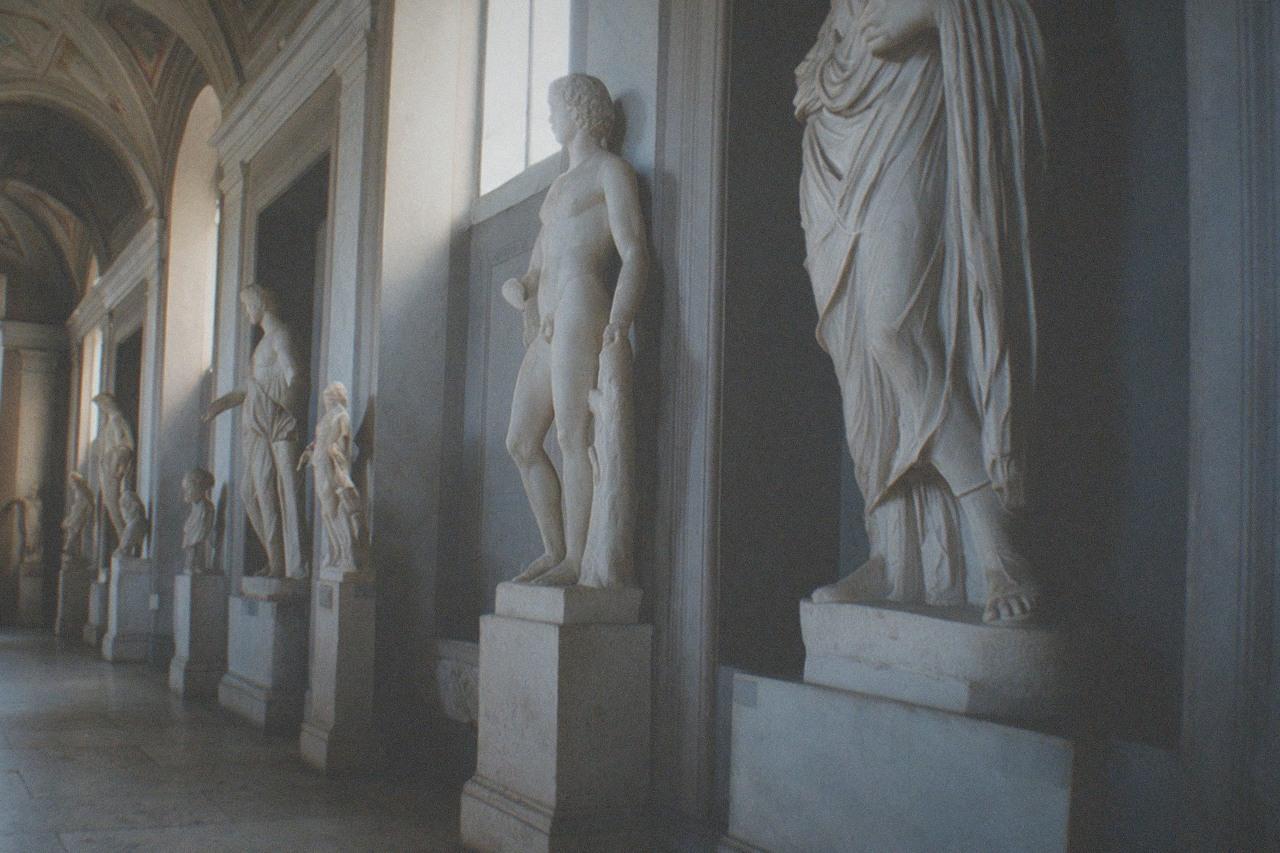
The question sounds like it should have a one-line answer, and it almost does: the first Sunday of every month, at state museums, everywhere in Italy. The complications start the moment you ask which museums, because Italy runs several museum systems with different owners, and only one of them follows the national rule. Add the Vatican's own calendar, the booking fees that survive on "free" tickets, and the categories of visitors who are free every day anyway, and the honest answer needs a page rather than a sentence.
What Days Are Museums Free In Italy?
State museums, monuments, galleries and archaeological areas run by the Ministero della Cultura are free to everyone on the first Sunday of every month, under the scheme called Domenica al Museo. In 2026 those Sundays are 4 January, 1 February, 1 March, 5 April, 3 May, 7 June, 5 July, 2 August, 6 September, 4 October, 1 November and 6 December. The rule does not cover the Vatican Museums, free on the last Sunday instead, nor most privately run museums.
The scheme is genuinely national. The same first-Sunday rule applies in Florence, Naples, Venice and Milan that applies in Rome, because it is set by the Ministry in Rome rather than by each city. What changes from site to site is the small print: whether booking is recommended, mandatory or impossible, and which parts of a monument the free ticket actually opens. The Ministry's own guidance says visits run at normal opening hours with booking recommended or compulsory where the individual site requires it, so there is no single uniform procedure.
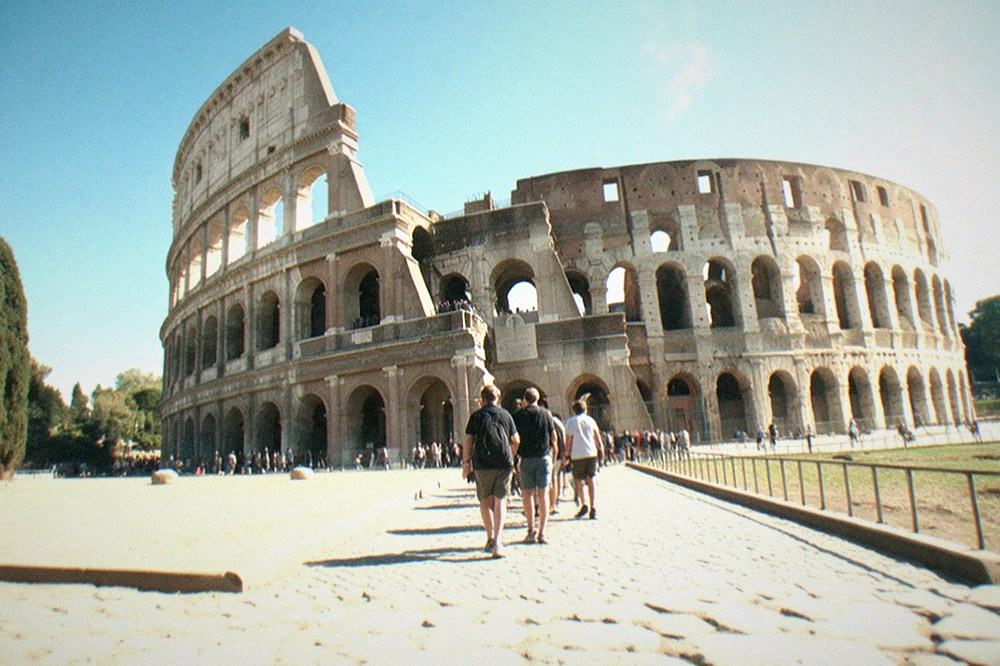
In Rome the state system includes the heavyweights. The Colosseum, the Roman Forum and Palatine, the Pantheon, Castel Sant'Angelo, the Galleria Borghese, the Baths of Caracalla, Palazzo Barberini, the four Museo Nazionale Romano sites, the Galleria Spada, the Vittoriano with Palazzo Venezia, the Appia Antica ticketed monuments and Ostia Antica are all on the Ministry's confirmed list. The Parco archeologico del Colosseo alone recorded 14,733,395 entries in 2024, up 19.8 percent on 2023, which tells you something about what a free Sunday at the most popular site in the country feels like: the free ticket exists, and so does everyone who wants one.
A free day is also a good day to let someone else do the storytelling. These three pay-what-you-want walks, each a live listing on GuruWalk run by an independent local guide, cover the ground between the museum queues:
The walks above are free to book and you pay the guide what you choose at the end, which is how GuruWalk's model works across its whole catalogue. None of them replaces a museum, but on a day when the Colosseum ticket office has a line around the block, a guided walk through the open city is the more comfortable free thing.
Which Rome Sites Are Free On The First Sunday, And How Do You Actually Get In?
At the Colosseum, free first-Sunday tickets are handed out in order of arrival at the ticket office in Piazza del Colosseo, near the Temple of Venus and Rome, and at Largo della Salara Vecchia; they cannot be booked online. The free ticket excludes the arena floor, the underground, the upper levels, the panoramic lift and every SUPER site of the Forum and Palatine, and the Domus Aurea is closed that day entirely. A free walk covers this ground: Colosseum Walk, Bilingual, 1 Hour 45.
This is the part of the national rule that catches people out. Every other day of the month, a Colosseum ticket is a compulsory timed slot bought in advance, with sales opening 30 days ahead. On the first Sunday the process inverts: you queue, you collect, you enter in order. Guides may lead a maximum of seven people, and each person collects an individual ticket, so a large family or tour group works through the line one member at a time.
The Pantheon's version of the rule has its own texture. The Ministry publishes a daily cap of 1,200 visitors per time slot and states plainly that the free ticket gives no priority access. The basilica drew 4,086,947 visitors in 2024, fourth among Italy's most-visited paid state sites, and the free Sunday is one of the days when that volume concentrates. Access is only by official ticket, bought through the Museiitaliani portal or app or collected on site, which quietly settles the question of third-party resellers: there is nothing for them to sell you that you cannot collect yourself.
A few sites add free days beyond the first Sundays. The Colosseum park is also free to all on 25 April, 2 June and 4 November 2026, and the Appia Antica park lists 5 April, 25 April, 2 June and 1 November alongside its first Sundays. One live closure worth knowing before you plan an Appia trip: the Tombe della Via Latina and the Complesso di Capo di Bove have been closed for restoration since 22 June 2026, with no announced reopening. The Crypta Balbi, one of the four Museo Nazionale Romano sites, is also temporarily closed, which matters because it still appears on plenty of free-day lists.
Here is how the main Rome systems compare on free days:
| System | Free day | Who it covers | Main catch |
|---|---|---|---|
| State museums (Colosseum, Pantheon, Borghese, Castel Sant'Angelo) | First Sunday of every month | Everyone | Booking rules and exclusions vary by site; Borghese still charges its EUR 2 booking fee |
| Vatican Museums | Last Sunday of the month, 09:00 to 14:00 | Everyone, walk-in only | No booking possible; not on Easter, 29 June, 25, 26 or 31 December |
| Roma Capitale civic museums | No general free day for tourists | Residents of Rome and the Città Metropolitana | Only four civic museums are free to everyone year-round |
| Private and church-run museums | Their own rules | Set by each institution | Never assume the national scheme applies |
Are The Vatican Museums Free On A Sunday?
The Vatican Museums are free on the last Sunday of the month, 09:00 to 14:00 with last entry at 12:30, and no booking is possible for the free morning: it is walk-in only. The free Sunday does not run when it coincides with Easter Sunday, 29 June, 25 December, 26 December or 31 December, and it is subject to the museums' own opening calendar.
The Vatican is a separate state with its own rules, which is why the national first-Sunday scheme never reaches it. The last-Sunday free morning is generous, five hours of the Sistine Chapel and the Raphael Rooms at no charge, but the mechanics are unforgiving. There is no reservation, everyone arrives at once, and no official source publishes a queue time, so the honest advice is simply to arrive early and treat the wait as part of the price. Visitors must leave the halls 30 minutes before closing. A free walk covers this ground: Ghosts And Mysteries, Bilingual.
The museums also run free categories on any open day: children under 7, disabled visitors with certified invalidity of at least 67 percent plus a companion, and ICOM or ICOMOS card holders. One detail almost nobody publishes: those free disabled-visitor tickets cannot be booked online and are issued in person at the Special Permits or Welcome Desk in the entrance hall, on production of the invalidity certificate. If that applies to your group, plan for the desk rather than the turnstiles.
For everything the free Sunday does not cover, the state system's own concessions page from the Ministero della Cultura is the primary source, and the Vatican Museums' own calendar page settles which Sundays are free and which are simply closed.
Who Gets In Free Every Day, Not Only On Free Days?
Anyone under 18 enters every state museum, monument and archaeological area in Italy free, with no nationality condition: the Ministry's own wording covers any visitor who has not yet turned eighteen. EU citizens aged 18 to 25 pay a reduced EUR 2 at state sites. Over-65s lost their free entry in 2014, when the concession was abolished, so any guidebook still promising it is twelve years out of date.
The under-18 rule is the most under-used bargain in Italian travel, because it applies to the Colosseum, the Pantheon, the Galleria Borghese, Castel Sant'Angelo and every other state site on the same terms for an American, Australian or Japanese teenager as for an Italian one. The EUR 2 rate for 18 to 25 year olds is narrower than it looks: it is an EU-citizen rate, extended to non-EU citizens only where their country offers reciprocity, so a non-EU 22-year-old should not be promised the reduced price. The rest of the planning pages sit on Free Things To Do In Rome. One of the free walking routes passes through here: Small-Group Vatican, 1 Hour 30.
Rome's civic museums, the separate system run by Roma Capitale rather than the state, changed their rules on 1 February 2026: they became free for residents of Rome and the Città Metropolitana, and exactly four of them remain free for everyone, the Museo della Repubblica Romana e della memoria garibaldina, the Museo delle Mura, the Museo di Casal de' Pazzi and the Casa Museo Alberto Moravia. The EUR 5 MIC card that unlocks the rest is limited to residents, people domiciled in the city and students at Rome universities, so a visitor cannot buy it. Our guide to Rome's free museums and their rules works through that system in detail.
The state system has its own standing free categories beyond age: EU tourist guides and interpreters with a valid permit, ICOM and ICOMOS members, visitors with disabilities plus a family member or carer, school groups with teachers, and EU students and teachers of architecture, heritage conservation, education science, archaeology and art history. Blood donors even enter Rome's civic museums free with a companion during the city's summer donation campaign, on presentation of the Comune's thank-you letter.
Where Does A Free Ticket Stop Being Free?
At the Galleria Borghese, first-Sunday admission is free but booking is compulsory and the EUR 2 booking fee is still charged, so the official price list shows a free ticket plus two euros. The Ministry states in writing that temporary exhibitions can charge an extra fee even to visitors who are otherwise exempt. And the Trevi Fountain's EUR 2 inner-perimeter charge stays in force on the first Sunday of the month. This stop sits on a free walking route, Bilingual Center Walk, 2 Hours 15.
The Galleria Borghese is the cleanest example of the pattern, because the official tariff spells it out: free admission, salvo the booking right, which is two euros on every ticket type including the free ones. Since the gallery also caps daily admissions and requires a reservation on every day of the year, the free Sunday is really a two-euro Sunday with a booking race attached. Anyone calling it simply free is leaving out the part that costs money and the part that sells out.
The temporary-exhibition rule bites more often than people expect. A visitor who qualifies for free entry, an under-18, a first-Sunday walker, a visitor with a disability, can still be charged for a temporary show mounted inside a site they entered for nothing. The Ministry's concessions page says exactly that, and it is the reason a "free day" plan should always check what the permanent collection is versus what is visiting.
The Vittoriano shows the same split inside a single monument. Entry to the monument itself and to the Giardino grande di Palazzo Venezia is free, and the panoramic terrace sits inside an EUR 18 combined ticket with the Sommoportico, the Museo Centrale del Risorgimento and Palazzo Venezia, reduced to EUR 5 for 18 to 24 year olds and free under 18, with the terrace itself free only on the first Sunday of the month. Our piece on Rome's free Sundays, site by site tracks these per-monument catches in one place. One of the free walking routes passes through here: 11 Spots, 2 Hours 45.
Can A Free Walking Tour Fill The Rest Of A Free Museum Day?
Yes, and in Rome it is the natural complement, because the city's churches and squares hold art that no museum ticket ever gates. Free walking tours listed on GuruWalk are pay what you want: booking costs nothing and you tip the guide at the end, with the platform's own Rome guidance putting typical tips at 10 to 20 euros per person.
The Caravaggio Mystery Walk is the clearest fit for a free-museum-day plan, because Caravaggio's greatest Roman paintings hang in churches that are free every day of the year. The walk runs two hours in English, meets at Piazza della Minerva 69, and is rated 4.92 across 2,028 GuruWalk reviews. It threads together the painter's Rome, the churches, the rivalries and the death the title refers to, and it does it through buildings whose entry has never cost a cent.
For the ancient core rather than the Baroque one, the Bilingual Center Walk covers the imperial centre in two hours and fifteen minutes, running in English and Spanish from Foro Traiano 89. It is rated 4.82 across 1,529 GuruWalk reviews, and its route overlaps the state museums' free Sunday territory: the Forum and the imperial fora you may have just queued to enter, seen instead from the street with someone explaining what you are looking at.
Pairing the two halves works well in practice. Morning at a state site on a first Sunday, when the free tickets go furthest, then an afternoon walk through the parts of Rome that were never ticketed at all. The forum exteriors, the piazzas, the panoply of free churches from Santa Maria Maggiore to San Luigi dei Francesi, where three Caravaggios hang in a side chapel with no ticket and a free QR audio guide, all sit outside every pricing system this article has described. If you are weighing whether the format is worth your time, our post on whether free walking tours in Rome are worth it goes through the economics honestly.
What Should Your Free-Day Plan Actually Look Like?
Pick the first Sunday of the month for state sites, arrive at the Colosseum ticket office early or pick a quieter state museum instead, and save the Vatican Museums for a last Sunday if your dates line up. Check the standing free categories before you buy anything, because under-18s and several other groups never need a free day at all. Then fill the gaps with the art that lives outside the museums, in churches and squares that charge nobody. One of the free walking routes passes through here: English Ancient Rome, 2 Hours 15.
The single most common mistake is treating the first Sunday as a single national event with one procedure. It is twelve separate days a year, each run site by site, and the sites that need booking still need it, the sites that cap numbers still cap them, and the exceptions, the Domus Aurea's closure, the Borghese booking fee, the exhibitions that charge on top, do not pause for the calendar. A plan that assumes free means frictionless will meet a queue at 09:05 and conclude Italy lied to it. It did not; it just attached conditions.
The second mistake is ignoring the days that are not Sundays at all. The Colosseum park's extra free dates in 2026, the heritage weekend's one-euro evenings, the Appia park's own free-day list, and the four civic museums that are free to everyone every day together give a visitor more free entry than the first-Sunday rule alone. Rome also runs free 1 January openings across most civic museums under the Roma Capodarte banner, though no 2027 edition has been announced, so treat that as a bonus rather than a promise.
If museums fill up, the city does not. These three walks cover the ancient centre, the classic squares and the Caravaggio trail, all pay what you want, all bookable for nothing:
Common Questions About Free Museum Days In Italy
What Days Are Museums Free In Italy?
State museums, monuments and archaeological areas are free on the first Sunday of every month under the Domenica al Museo scheme. The Vatican Museums are the big exception: they are free on the last Sunday of the month instead, 09:00 to 14:00 with last entry at 12:30. Privately run museums and most municipal systems follow their own rules, not the national one.
Do I need to book for free first-Sunday tickets?
It depends entirely on the site. At the Colosseum and the Pantheon, free Sunday tickets are collected on site in order of arrival and cannot be booked online. At the Galleria Borghese, booking is compulsory every day of the year, and the EUR 2 booking fee is charged even on the free ticket. Check the individual site's rule before you go.
Are the Vatican Museums free on the first Sunday too?
No. The Vatican is a separate state and does not participate in Italy's national scheme. Its free day is the last Sunday of the month, walk-in only, with no booking for the free morning, and it does not run when that Sunday falls on Easter, 29 June, 25 or 26 December, or 31 December.
Who gets into Italian museums free every day?
Anyone under 18, of any nationality, enters every state museum free. EU citizens aged 18 to 25 pay EUR 2 at state sites. Visitors with disabilities plus a carer, ICOM and ICOMOS members, EU-licensed guides and interpreters, and qualifying EU students and teachers of art-related subjects also enter free under the Ministry's standing concessions.
Is everything inside a museum included in the free ticket?
No. The Ministry states that temporary exhibitions can carry an extra charge even for visitors who are otherwise exempt. At the Colosseum, the free Sunday ticket excludes the arena, the underground, the upper levels and the SUPER sites. At the Galleria Borghese, a compulsory EUR 2 booking fee applies to every ticket, free ones included.
Are there other free days besides the first Sunday?
Yes, site by site. The Colosseum park is also free on 25 April, 2 June and 4 November 2026, and the Appia Antica park lists 5 April, 25 April, 2 June and 1 November. European Heritage Days in late September bring one-euro evening openings at state museums, which is a discount rather than a free day. Always confirm the current year's dates on the site's own page.