What Is Free Today In Rome?
The daily and monthly rhythm of free things in Rome: which museums are free today, which churches never charge, which walks run, and which days unlock the city's most famous sites.
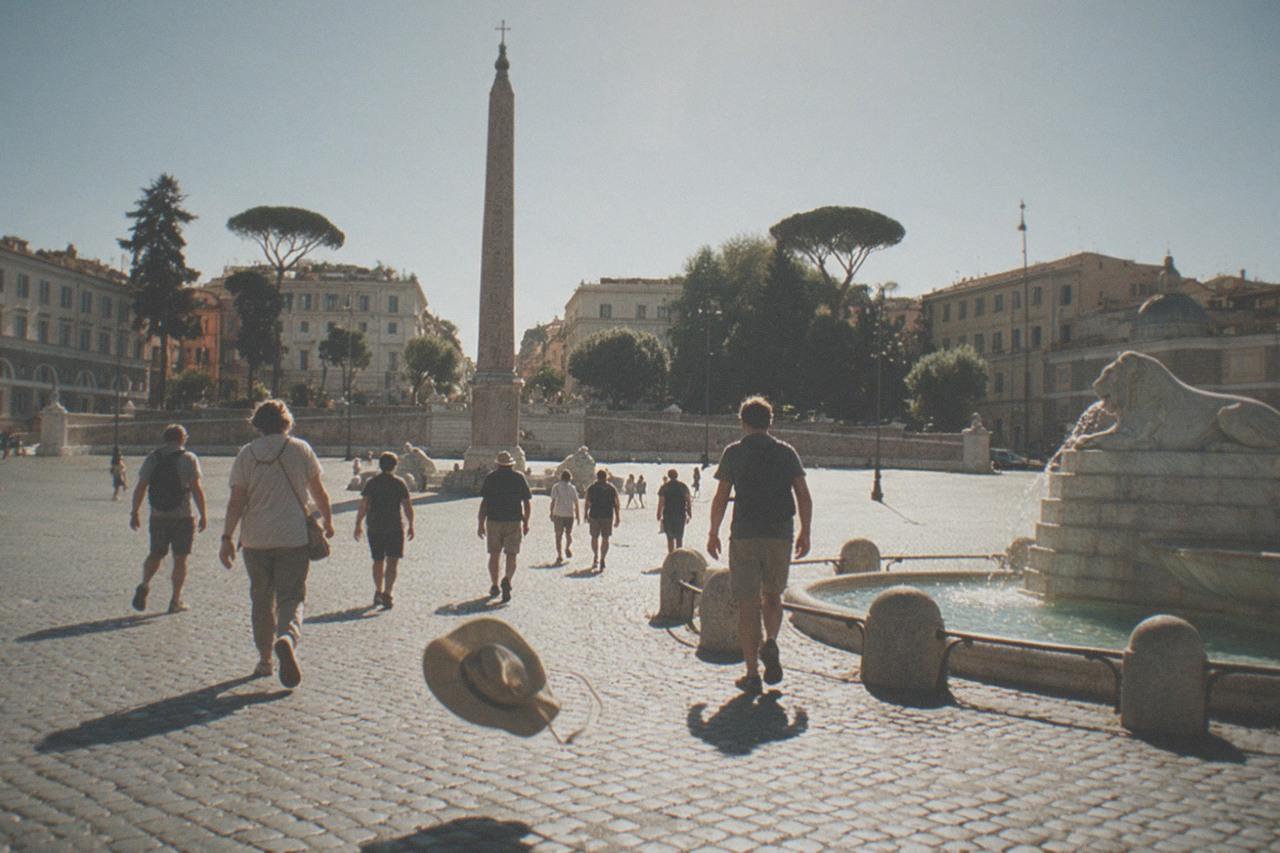
Standing in Piazza Navona at seven in the evening costs nothing. Walking into a baroque church and seeing a Caravaggio without a ticket has been free for centuries. And on any given day, at least thirty free walking tours crisscross the centro storico, their guides carrying a national licence and a QR-verifiable badge.
What changes from one date to the next is entry to the big-ticket sites. The Colosseum is free on the first Sunday of the month, never on a Tuesday. The Vatican Museums swing open for free on the last Sunday, 09:00 to 14:00, and close again by Monday morning. This page explains which free things belong to today's date, which are always free, and which look free but carry a condition, a booking fee or a residency card.
The honest starting point is that Rome has spent two years converting free public space into ticketed access while simultaneously handing more than a dozen civic museums to its own residents at no charge. The city announced both moves together, and the Trevi Fountain's new EUR 2 inner-perimeter ticket explicitly funds free museum entry for Romans. So the answer to "what is free today in Rome" is not one list, it is a calendar. A free walk covers this ground: 11 Spots, 2 Hours 45.
What Is Free Today In Rome?
Rome’s churches, squares, and viewpoints are free any day. For museums, free entry shifts with the calendar: state museums (including the Colosseum and Roman Forum) are free to all on the first Sunday of the month, the Vatican Museums on the last Sunday morning, and four civic museums daily, while the rest became free only for residents in February 2026. This stop sits on a free walking route, Colosseum Walk, Bilingual, 1 Hour 45.
The quickest way to know what is free today is to check the calendar against two recurring schemes. Domenica al Museo gives free entry to every state museum and archaeological park on the first Sunday of the month. The Vatican runs its own free last Sunday on a different rhythm. Neither scheme covers the city's civic museums, which have their own rules, and neither covers the Pantheon's entry fee on ordinary days, though the Pantheon is free on the first Sunday and during worship. This split between three separate museum systems, state, Vatican and civic, is the single thing that most trip-planning pages blur into one blanket "free Sunday," and it is the one that costs visitors a mistaken queue.
What Is Free In Rome Every Day?
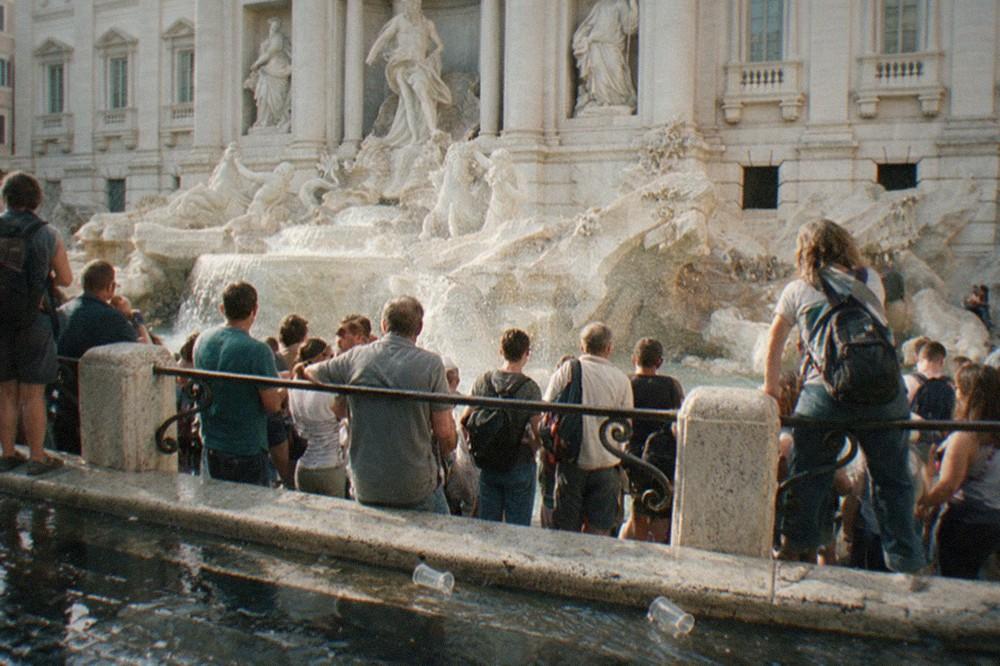
Rome’s everyday free treasures include its historic churches, such as Sant’Ignazio di Loyola which stays open until 23:30, sweeping viewpoints like the always-accessible Gianicolo belvedere, and iconic fountains such as the Trevi Fountain, which is free to admire around the clock with the inner perimeter open to all after 22:00. These sites, along with countless piazzas, require no ticket, booking, or special scheme.
Rome's default-free layer is larger than most visitors expect, and it is the reason a day in the city can cost very little beyond food and transport. The central piazzas, Piazza Navona, Campo de' Fiori and Piazza della Rotonda, have no gate, no ticket desk and no published access hour. The churches that hold Caravaggio cycles, Michelangelo's Moses, Cavallini frescoes and Bernini sculptures are mostly free to enter, though some excavated levels and cloisters carry a separate charge. Santa Maria del Popolo, San Luigi dei Francesi, Sant'Ignazio and San Pietro in Vincoli are confirmed free by their parish or institutional sites. This stop sits on a free walking route, Caravaggio Mystery Walk, English.
| Always-free sight | Typical opening today | Condition to note |
|---|---|---|
| Piazza Navona, Campo de' Fiori, Spanish Steps | No gate, no hours | Public squares; access may be limited during large events |
| Sant'Ignazio di Loyola (false dome, Pozzo ceiling) | 09:00-23:30 daily | Free; no ticket for the mirror or the church |
| San Luigi dei Francesi (Caravaggio cycle) | 09:30-12:45, 14:30-19:00 daily | Free; use the free QR audio guide on the parish site |
| Santa Maria del Popolo (Caravaggio, Chigi Chapel) | Weekdays 08:30-09:45, 10:30-12:00, 16:00-18:00; Sun/holidays 16:30-18:00 | Free; Cerasi Chapel access is metered and strict |
| Gianicolo / Piazzale Garibaldi | Always accessible | Free; the noon cannon fires daily since 1904 |
| Giardino degli Aranci (Aventine keyhole alternative) | Oct-Feb 07:00-18:00, Mar & Sep 07:00-20:00, Apr-Aug 07:00-21:00 | Free; faces the Tiber, not the Circus Maximus |
| Trevi Fountain (viewed from the square) | Any hour | Free; the EUR 2 inner-perimeter ticket is off after 22:00 |
One church that deserves a special mention on a "today" page is Santa Maria sopra Minerva, which spent months with no publishable hours and now operates under a provvisional schedule posted on its own site: Monday to Friday 16:00-19:30, Saturday and Sunday 10:30-13:00 and 14:00-19:30. That schedule was posted on 7 September 2026, which makes it the freshest piece of operational church data on the site. If you are reading this on a weekday afternoon, you can still go.
Free Walking Tours In Rome Today
Dozens of free, pay-what-you-want walking tours leave from Rome's central piazzas every morning and afternoon, all bookable on GuruWalk. Guides hold a national licence and from August 2026 can carry a QR-verifiable badge linked to the Ministry's public register. Groups vary from a handful to about thirty-five people, and you decide what to tip at the end. The platform's own guidance puts a typical tip at 10 to 20 euros per person.
Free walking tours are the most straightforward answer to "what can I do in Rome today without spending money upfront." They run in all weather except the most extreme heat, cover the ancient centre, the Vatican perimeter, Trastevere, the Jewish Ghetto and the ghost-story corners of the city, and they need only a booking on GuruWalk. If you want a fuller picture of how the free-tour market works and which walks suit different interests, our guide to Rome's free walking tours lays out every walk on the roster. A free walk covers this ground: Ghetto And Trastevere, English.
The Bilingual Center Walk lists a meeting point at Foro Traiano, 89, runs for two hours and fifteen minutes in English and Spanish, and carries a rating of 4.82 across 1,529 GuruWalk reviews. It traverses the core of the imperial city in the time it takes to drink a long lunch, and it leaves you in the historic centre with the rest of the day free.
The Two-Hour Highlights Walk starts at Campo de' Fiori, is delivered in English, and has a rating of 4.9 across 722 GuruWalk reviews. Campo de' Fiori in the morning is a market and a meeting point, and the walk uses it as a springboard into the Renaissance and Baroque layers of the centro storico. Because it is shorter than the central-centre itineraries, it fits a day that also includes a museum or a long sit-down meal.
Every walk on this site is an independent operator's listing on GuruWalk, so the experience depends on the individual guide. The Italian national guide register opened for badge requests on 26 August 2026, and the Ministry's public list at portaleprofessioni.ministeroturismo.gov.it is searchable by region. A guide who shows you a QR-verifiable tesserino is fully licensed under Legge 190/2023. Free Things To Do In Rome does not run any of these walks and receives no booking fee; we point readers at the GuruWalk listings because they are the ones you need.
The platform's own support documentation says free tours normally cap at 35 participants, though groups of four are also common, and a local operator's published figures put the typical tip between 10 and 20 euros on a two- to three-hour tour. Traveller reports on Reddit in 2025 and 2026 align with that band. If you are on a very tight budget, even a few euros are accepted, but a good guide who holds a licence and knows the city is worth the top of the range.
When Are Rome's Museums Free?
Museums in Rome belong to three systems, each with its own free-day calendar. State museums, including the Colosseum, Galleria Borghese and Castel Sant'Angelo, are free on the first Sunday of the month. The Vatican Museums are free on the last Sunday, 09:00-14:00. Four civic museums stay free every day; the rest of the Capitolini network has been free only for residents of Rome and the Città Metropolitana since February 2026.
Conflating the three systems is the easiest way to turn up at a museum on a free day expecting it to be open and find a paid ticket desk instead. The state museums run Domenica al Museo, confirmed for 2026 with monthly editions listed by the Ministry of Culture. Sites that participate in Rome include the Parco archeologico del Colosseo, the Pantheon, Castel Sant'Angelo, the Galleria Borghese, the Baths of Caracalla and the four Museo Nazionale Romano locations. The Galleria Borghese still charges a compulsory EUR 2 booking fee on its free Sunday ticket, so it is never entirely free. The Domus Aurea is closed on first Sundays. One of the free walking routes passes through here: Ghosts And Mysteries, Bilingual.
The Vatican Museums are a different state, and their free day is the last Sunday of the month. It is walk-in with no booking, and the published exceptions are Easter Sunday, 29 June, 25 and 26 December and 31 December. The window is short and the queue forms in the morning. The museums' own site warns that the halls empty thirty minutes before closing.
The civic museums are the part of the picture that changed most recently. Since 1 February 2026, entry to the Capitoline Museums, Centrale Montemartini, the Ara Pacis museum, Museo di Roma at Palazzo Braschi, the Galleria d'Arte Moderna and the other big-name civic sites is free only to residents of Rome and the Città Metropolitana on production of ID. Tourists do not qualify, and the old list of ten or twelve free-for-all civic museums has shrunk to exactly four: the Museo della Repubblica Romana e della memoria garibaldina at Porta San Pancrazio, the Museo delle Mura at Porta San Sebastiano, the Museo di Casal de' Pazzi and the Casa Museo Alberto Moravia. Museo Carlo Bilotti and Museo Pietro Canonica in Villa Borghese used to be on every free-museum listicle and are now paid for non-residents. Our full breakdown of free museums in Rome covers which collections you can visit without spending a euro.
The table below sets out the recurring free-entry windows so that you can match Roman date to the right museum group.
| Museum group | Free day | Who qualifies | Conditions |
|---|---|---|---|
| State museums (MiC) | First Sunday of the month | Everyone | Booking mandatory at some sites; Galleria Borghese adds EUR 2 fee; Domus Aurea closed |
| Vatican Museums | Last Sunday of the month | Everyone | 09:00-14:00, last entry 12:30; no booking; exceptions apply |
| Civic museums (resident-free) | Every day | Residents of Rome / Città Metropolitana | ID required; covers 12 major museums |
| Civic museums (free-for-all) | Every day | Everyone | Only 4 museums; same hours as resident-free list |
| St Peter's Basilica | Every day | Everyone | Free walk-in; timed-slot with audio guide costs EUR 7 |
| Pantheon | First Sunday of month, and during Mass | Everyone (under-18 free every day) | Free ticket collected on site, no priority |
| Papal audience (Wednesday) | Most Wednesdays | Everyone | Free ticket, request from Prefettura |
A note for readers checking today's date: the first Sunday of September 2026 falls on 6 September. The last Sunday of September 2026 is 27 September, a date that does not clash with any of the Vatican's published exception days. If today is within those windows, the free access is live.
What About The Trevi Fountain's Access Fee?
The Trevi inner-perimeter ticket, EUR 2, applies every day, first Sunday included, from 09:00 to 22:00 (11:30 to 22:00 on Mondays and Fridays) and does not apply to residents, children under six, or visitors with disabilities and a companion. The fountain remains visible free from the square at any hour, and after 22:00 there is no charge to stand at the basin for anyone. Rome's own press release states the revenue funds free civic-museum entry for residents, which means the two policies are one. One of the free walking routes passes through here: Bilingual Secrets Of Rome.
What Free Events Are Happening This Month In Rome?
September 2026 brings two recently opened archaeological sites running free guided visits right now. The Piramide Cestia reopened on 4 September after a three-year restoration and offers free daytime and evening visits by reservation through 31 October. The Terme di Traiano museum space on the Colle Oppio opened on 8 September with free trial guided tours on 12 and 13 September, with regular free Friday-to-Sunday slots starting 2 October.
These openings are the short-lived kind of free access that makes a "today" page useful. If you are reading this in September 2026, you can book a slot at the Piramide Cestia and walk inside the only surviving ancient Roman pyramid in the city. If you are reading after October 2026, the free guided visits will have ended, and the article will point you to the permanent free-day schemes instead. The Terme di Traiano project holds the restored "Città Dipinta" fresco and the largest known wall mosaic from ancient Rome, and the 15-person trial tours are in Italian, so bring a phrasebook.
The recurring annual free events that sit outside the first-Sunday rhythm are Roma Capodarte on 1 January, which opens most civic museums and archaeological areas for free, the Notte dei Musei in May, and the European Heritage Days on 26 and 27 September 2026, when state museums run a symbolic EUR 1 evening opening on the Saturday. That last one is not free, but it is cheap, and it stays on this page because a one-euro night at the Colosseum or Castel Sant'Angelo is functionally the same as free for most budgets.
What Aren't Free In Rome Today?
On ordinary days, the Colosseum, Roman Forum, Galleria Borghese, Castel Sant'Angelo and the Vatican Museums all require paid tickets, while the Pantheon charges adults outside its free-access windows. The Trevi Fountain's inner perimeter costs EUR 2 for non-residents during the day, most civic museums charge tourists, the Galleria Borghese's free Sunday ticket still carries a EUR 2 booking fee, public toilets cost EUR 1, and buses are not free unless you are under ten. A free walk covers this ground: Bilingual Center Walk, 2 Hours 15.
This section exists because "free in Rome" is a narrower promise than it looks on a listicle. It is easy to build a day that costs nothing: churches, piazzas, the Gianicolo, a free walking tour, and an evening at Sant'Ignazio. But anyone who expects to walk into the Forum or the Sistine Chapel without paying will be disappointed. Even the free walking tours run on a pay--what--you--want model and the guide's living depends on the tip you leave. The question of how much to tip a free walking tour guide in Rome gets a full answer on the blog, with the platform's own guidance and real traveller reports.
The things that look free but are not include the Vittoriano panoramic terrace, which sits inside an EUR 18 combined ticket, the San Clemente excavations, which cost EUR 10 and need a booking, and the Cavallini frescoes at Santa Cecilia, which are separately ticketed. Even the Pantheon on its free Sunday still requires queuing for a non-nominal free ticket at the cash desks, and there is no priority access. When a travel writer says "the Colosseum is free on the first Sunday," the sentence omits that the free ticket excludes the arena, the underground, the upper levels and every SUPER site, and that it is handed out in order of arrival at one ticket office. That is still a great deal, but it is not a full Colosseum visit. This stop sits on a free walking route, Two-Hour Highlights Walk.
Rome's public transport is another thing that is not free for adults. The BIT ticket costs EUR 1.50 and is valid for 100 minutes. Children up to ten travel free with a fare-paying adult, which is the only blanket free-transport concession for visitors. Tapping a contactless bank card charges the same EUR 1.50 per journey and automatically caps at the EUR 8.50 24-hour fare after four taps, so you cannot overpay. Fines for travelling without a valid ticket are EUR 104.90 in total, cut to EUR 54.90 if paid within five days. None of the metro, tram or bus network is free for adults, on any day of the week.
Common Questions About What Is Free Today In Rome
What is free today in Rome?
On any given day, Rome's churches, squares and viewpoints are free. State museums are free only on the first Sunday; the Vatican Museums on the last Sunday. Four civic museums are free every day. Free walking tours run daily on GuruWalk. This page explains how to match today's date to the right free entry.
Is the Colosseum free today?
The Colosseum is free only on the first Sunday of the month, and even then the free ticket excludes the arena floor, underground and upper levels. It is handed out in order of arrival at the Piazza del Colosseo ticket office and cannot be booked online. On all other days entry is ticketed.
Which museums are free in Rome every day?
The four always-free museums are the Museo della Repubblica Romana e della memoria garibaldina, the Museo delle Mura, the Museo di Casal de' Pazzi and the Casa Museo Alberto Moravia. The larger civic museums are free for residents but not for tourists, and the state museums are free only on the first Sunday.
Are the Vatican Museums free on Sunday?
They are free on the last Sunday of the month, 09:00 to 14:00 with last entry at 12:30. No booking is needed, and the published exceptions are Easter Sunday, 29 June, 25 and 26 December and 31 December. On all other Sundays they are closed.
Is the Trevi Fountain still free?
The fountain is free to view from the square at any hour. Standing inside the inner perimeter at the basin costs EUR 2 for non-residents from 09:00 to 22:00 (11:30 on Mondays and Fridays). After 22:00 the charge ends and anyone can walk up to the basin for free.
Do I need to book free walking tours in Rome?
Free walking tours are listed on GuruWalk and a booking is normally required to secure a place. The tours are pay-what-you-want, and the platform's own guidance suggests 10 to 20 euros per person as a typical tip. You can read the tour's rating, review count and meeting point on the live listing before you book.