Cheap Things To Do In Rome: What A Low-Cost Day Actually Looks Like
Rome rewards the frugal. Most of what people fly here to see, the squares, the fountains, the churches and the ancient street plan, costs nothing to walk past, and the parts that do charge are cheaper than the guidebooks imply if you know the rules.
Short answer
A cheap Rome day is genuinely possible. Coffee at the bar averages EUR 1.19, a 100-minute transport ticket costs EUR 1.50, the Trevi Fountain is free from the square, St Peter's Basilica is free to enter, and pay-what-you-want walking tours on GuruWalk cover the whole centre with no fixed price at all.
Rome is one of the few major European capitals where the headline attractions are mostly standing in the open air. The Pantheon's portico, the Trevi Fountain, Piazza Navona, the Forum seen from the Via dei Fori Imperiali: none of that is behind a gate. What Rome has done instead is attach small, specific charges to a handful of spots and let everything else stay as it was, which means a visitor who knows which five rules matter can spend astonishingly little.
This page lays out those rules with the real numbers: what coffee and transport actually cost, which landmarks are free and under exactly what condition, and where a pay-what-you-want walking tour fits into a low-budget day. Everything here comes from official sources, the city, the transport operator, the basilicas and the museums themselves, not from a listicle that last checked prices in 2019.
What Does A Cheap Day In Rome Actually Cost?
A realistic bare-bones day runs well under EUR 20 per person before accommodation: EUR 1.19 for a coffee at the bar, EUR 1.50 for a 100-minute transport ticket, lunch from a bakery or a slice shop, and nothing at all for the squares, churches and viewpoints, because those are free. The only unavoidable extra is the city's tourist tax, charged per night at your hotel, not per day of sightseeing.
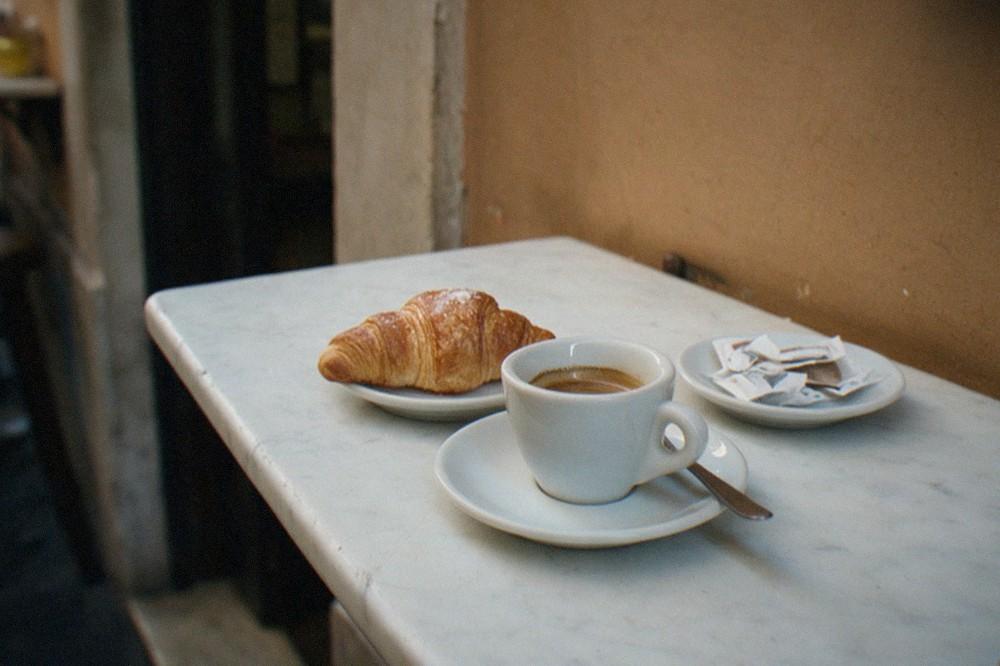
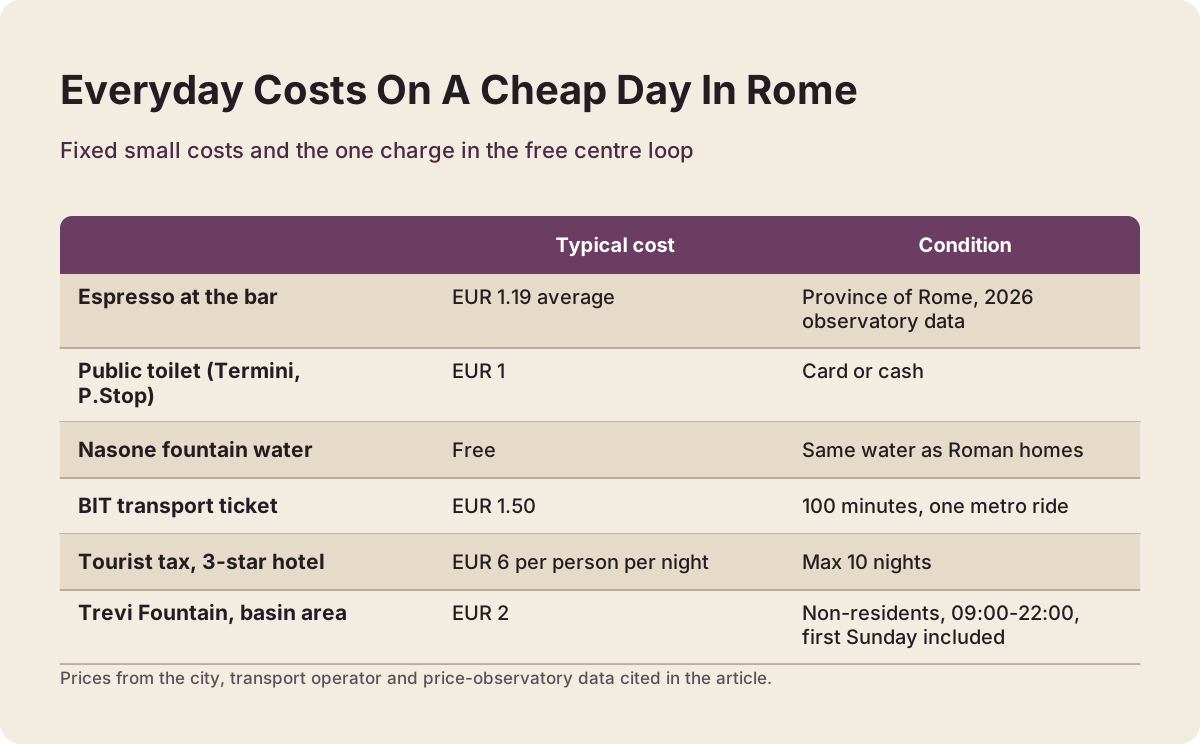
Start with the small fixed costs, because they are the ones people underestimate. An espresso drunk standing at the bar averaged EUR 1.19 across the province of Rome in 2026, according to Ministry of Economy price-observatory data analysed by Assoutenti, and the Rome hospitality association FIPE put it at EUR 1.14 in April 2025. Either way, coffee is not a budget item in this city, provided you drink it at the counter and never at a table facing a monument.
The other small cost nobody warns you about is the bathroom. Public toilets at Roma Termini and the P.Stop network, including the ones at Piazza di Spagna, charge EUR 1 a visit. The workaround costs nothing: Rome has roughly 2,800 public drinking fountains, the cast-iron nasoni, and their water is the same drinkable water that reaches Roman homes, under annual quality control by the utility ACEA. Carry a bottle, fill it all day, and you have solved hydration and saved the EUR 2 or 3 a shop would charge.
| Everyday item | Typical cost | Note |
|---|---|---|
| Espresso at the bar | EUR 1.19 average | Province of Rome, 2026 observatory data |
| Public toilet (Termini, P.Stop) | EUR 1 | Card or cash |
| Nasone fountain water | Free | Same water as Roman homes |
| BIT transport ticket | EUR 1.50 | 100 minutes, one metro ride |
| Tourist tax, 3-star hotel | EUR 6 per person per night | Max 10 nights |
The tourist tax deserves one clear paragraph because it surprises people at check-out. Rome charges per person per night, in force since October 2023, capped at ten nights in the same property: EUR 10 at five-star hotels, EUR 7.50 at four-stars, EUR 6 at three-stars, B&Bs and most holiday apartments, EUR 3.50 at hostels. It is not avoidable and it is not a scam; it is the city's official rate table. Budget for it, then ignore it, because none of the sightseeing below depends on it.
Can You See Rome's Centre Highlights For Almost Nothing?
Yes, the entire centro storico loop is free to walk: the Pantheon's exterior, Piazza Navona, Campo de' Fiori, the Trevi Fountain from the square and the Spanish Steps all cost nothing to see, and a pay-what-you-want walking tour on GuruWalk strings them together in a couple of hours with no fixed price at all. The only charge in the whole loop is EUR 2 at the Trevi basin. A free walk covers this ground: Bilingual Secrets Of Rome.
The walk itself is the product here. GuruWalk lists dozens of Rome walks where the guiding is free and you pay the guide what you want at the end, typically 10 to 20 euros per person according to GuruWalk's own Rome guidance, with some walkers leaving up to 50. That is not a trick or a hidden fee; it is the entire business model, and it makes a guided introduction to Rome the single best value on this page.
The Bilingual Center Walk, 2 hours 15 minutes, rated 4.82 across 1,529 GuruWalk reviews, runs in English and Spanish and meets at Foro Traiano, which puts you at the edge of the Forum before swinging through the centre's greatest hits. For a first day in the city it does the orientation work that would otherwise cost a fixed-price tour three or four times as much.
If you would rather walk alone, the loop is easy to build. Start at Campo de' Fiori in the morning, cut through Piazza Navona, reach the Pantheon, then walk to the Trevi Fountain and finish at the Spanish Steps. Every step of that route is public street. Our free self-guided walking route covers the same ground with timings and stop-by-stop notes, and our broader guide to free walking tours in Rome explains how the pay-what-you-want system works in practice.
One warning about the Pantheon, because it is the most misunderstood building in the city. It is ticketed, and this site does not publish a price because the official page is unreachable and the reported figures conflict. What is verified is the free way in: anyone under 18 of any nationality enters free, everyone enters free on the first Sunday of the month with a ticket collected on site, and the basilica is free during Mass, Saturdays at 17:00 and Sundays at 10:30. The Ministry's own concessions page states the under-18 rule with no nationality condition at all.
Which Squares And Fountains Can You See For Free?
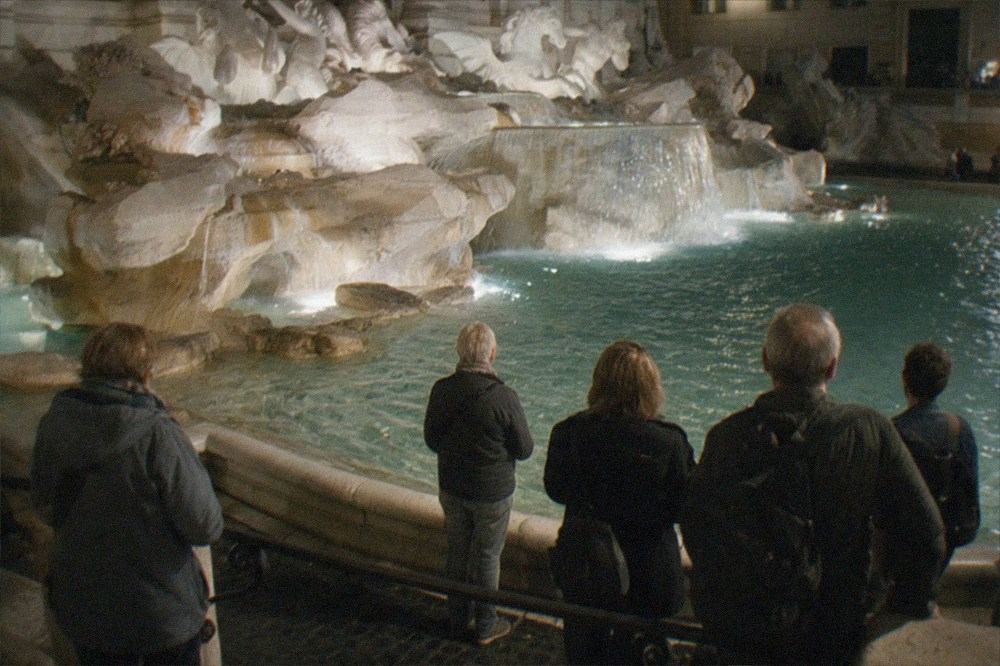
Piazza Navona, Campo de' Fiori, Piazza della Rotonda and the Spanish Steps are free, unticketed public squares with no published access restriction, and the Trevi Fountain is free to see from the square at any hour. Only the low basin area at Trevi carries a charge: EUR 2 for non-residents during payment hours, and the fountain is free to everyone after 22:00. One of the free walking routes passes through here: Bilingual Center Walk, 2 Hours 15.
The Trevi rule changed in February 2026 and most English-language guides still have not caught up. Non-residents now pay EUR 2 to enter the inner perimeter right at the basin, every day from 09:00 to 22:00, from 11:30 on Mondays and Fridays, and the charge applies on the first Sunday of the month too. Residents of Rome and the metropolitan city with ID, children under 6, and visitors with disabilities plus a companion are exempt. The city's own tariff announcement, published on the Roma Capitale site, is the primary source.
The half of the fact that saves your budget: the fountain itself remains visible for free. After the 22:00 cut-off the ticketing stops and anyone can stand at the basin, and at any hour of the day the view from the square behind the barriers costs nothing. Piazza di Trevi takes an average of 30,000 visitors a day, peaking at 70,000, which is the crowding figure the city used to justify the charge in the first place. Go late or go early and you get the monument for nothing.
| Square or fountain | Cost | Condition |
|---|---|---|
| Piazza Navona | Free | Open public square |
| Campo de' Fiori | Free | Open public square |
| Spanish Steps | Free | No published restriction |
| Trevi Fountain, from the square | Free | Any hour |
| Trevi Fountain, basin area | EUR 2 | Non-residents, 09:00-22:00, first Sunday included |
| Pantheon exterior and portico | Free | Always |
A guided version of this circuit exists too. The Two-Hour Highlights Walk, rated 4.9 across 722 GuruWalk reviews, meets at Campo de' Fiori and covers the essential squares in a compact loop, which suits anyone whose legs or schedule will not stretch to a longer route.
For anyone weighing a guided centre walk against exploring alone, the practical difference is context rather than access: the squares are free either way, but a guide explains what you are looking at, and on a pay-what-you-want walk that explanation costs whatever you decide it was worth. If that sounds like the right fit for your first day, the centre walk above is the natural starting point.
How Cheap Can Ancient Rome Be?
Very, if you time it. The Roman Forum and Palatine are free to everyone on the first Sunday of the month under the national Domenica al Museo scheme, and the Colosseum hands out free tickets that day in order of arrival at its Piazza del Colosseo office, though the free ticket excludes the arena floor, the underground and the upper levels. On every other day the standard park ticket covers the Colosseum, Forum and Palatine for 24 hours.
The first-Sunday mechanics matter, because they are the opposite of the normal booking regime. Usually the Colosseum requires a compulsory timed slot bought in advance, with sales opening 30 days ahead. On the free Sunday there is no online booking at all: you queue at the ticket office near the Temple of Venus and Rome, and the ticket you get covers the ordinary circuit, not the special areas. The Colosseum park is also free to all on 25 April, 2 June and 4 November 2026, in addition to the first Sundays. A free walk covers this ground: 11 Spots, 2 Hours 45.
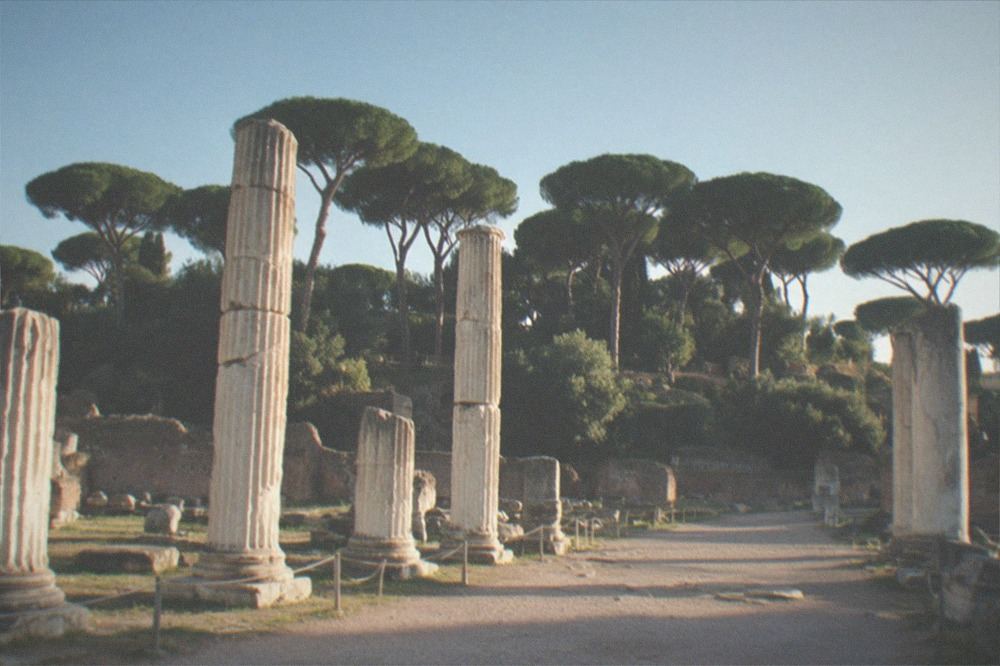
Even when you pay nothing, the scale is the attraction. The Colosseum archaeological park recorded 14,733,395 entries in 2024, up 19.8 percent on the year before, making it Italy's most-visited paid state site. You do not need to go inside to feel that scale: the amphitheatre's outer arches, the Forum viewed from the Via dei Fori Imperiali and the whole sweep of the ancient city are visible from public streets that never close and never charge. One of the free walking routes passes through here: Colosseum Walk, Bilingual, 1 Hour 45.
A guide makes the ruins legible in a way a plaque never does. The Colosseum Walk, 1 hour 45 minutes, rated 4.88 across 1,463 GuruWalk reviews, runs in English and Spanish and meets at Piazza dei Calcarari, a short walk from the site. Like every walk on GuruWalk it is pay what you want, so the cost scales to your budget rather than the other way round.
For the full picture of the free days, including what the free Galleria Borghese ticket still costs and why the Domus Aurea closes on free Sundays, see our guide to free Sundays in Rome. The short version: the scheme is real, it is national, and the exceptions are specific and knowable.
What Do Rome's Churches Cost?
Almost all of them cost nothing. St Peter's Basilica is free of charge in the basilica's own words, San Luigi dei Francesi with its three Caravaggios is free, Sant'Ignazio is free and open until 23:30, and no Rome church introduced a ticket, compulsory reservation or donation gate in 2025 or 2026. The exceptions are specific underground parts: excavations, crypts and cloisters, which are separately ticketed. A free walk covers this ground: Caravaggio Mystery Walk, English.
St Peter's is the one to get right, because the basilica's own booking channel now sells a EUR 7 product and a hurried reader could mistake it for an entry fee. It is not. The basilica states plainly that entrance is free of charge; the EUR 7 buys a guaranteed time slot and a digital audio guide. The free walk-in queue still exists, entry runs 07:00 to 20:00 year round, and the basilica's own visitor page is the source for hours, the dress code and the security checkpoints in the right side of the square.
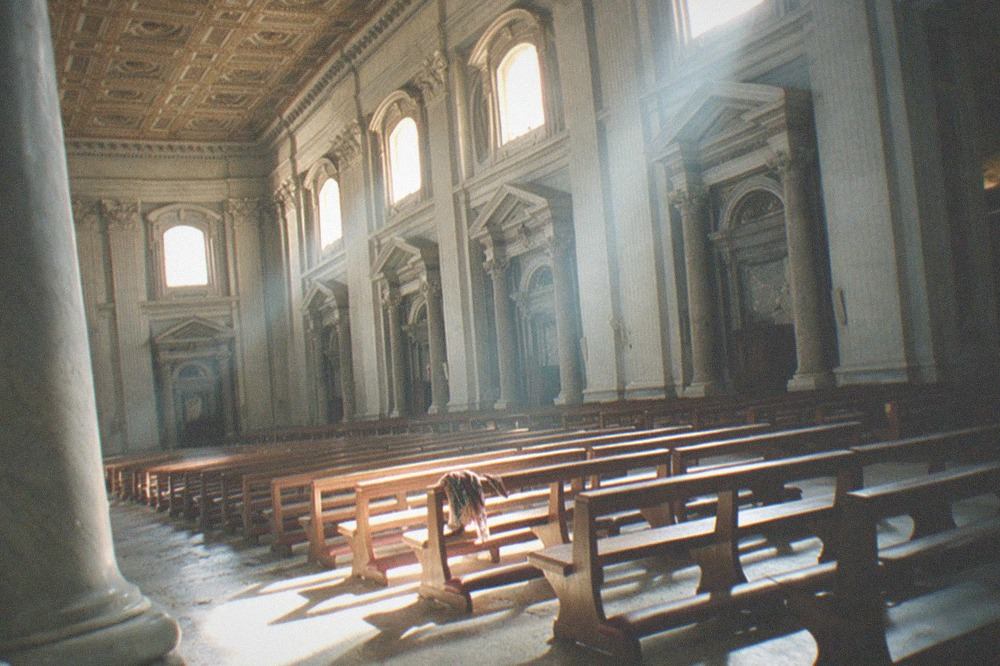
The pattern to remember is free nave, paid underground. San Clemente's twelfth-century church sits above excavations that cost EUR 10 with compulsory booking; the Scala Santa's Holy Stairs are free to climb while the Sancta Sanctorum chapel at the top costs EUR 3.50; San Paolo fuori le Mura's immense nave is free while its cloister costs EUR 4. None of that is hidden, and none of it stops you seeing the famous parts.
| Church | The famous part | Cost |
|---|---|---|
| St Peter's Basilica | The nave and Michelangelo's Pieta | Free |
| San Luigi dei Francesi | Three Caravaggio paintings | Free |
| Sant'Ignazio di Loyola | The false-dome ceiling | Free, until 23:30 |
| Santa Maria del Popolo | Two Caravaggios in the Cerasi Chapel | Free, chapel access metered |
| San Clemente | The upper basilica | Free |
| San Clemente excavations | Lower basilica and Mithraeum | EUR 10, booked online |
One more genuinely free find that almost no visitor list carries: the Museo Storico della Liberazione on Via Tasso, a former Gestapo prison, is free for everyone every day and open 09:00 to 19:00. It is a sobering hour and it costs nothing, which is a rare combination in a city this visited.
How Little Can You Eat And Drink For?
Coffee is the cheapest thing in Rome, about EUR 1.19 standing at the bar, and a pay-what-you-want food walk on GuruWalk costs nothing up front. This site publishes no verified price for pizza al taglio or a bottle of water because no official source states one, so treat any figure you read elsewhere, including a euro amount in a forum, as anecdote rather than fact.
The honest position on Roman food prices is that only the coffee number is properly sourced. The Ministry's provincial price observatory, analysed by Assoutenti, put the average bar espresso at EUR 1.19 in 2026, and the trade association FIPE traced the trend: EUR 1.14 in April 2025, up about 6.5 percent on the year before. Coffee is rising, slowly, from a very low base.
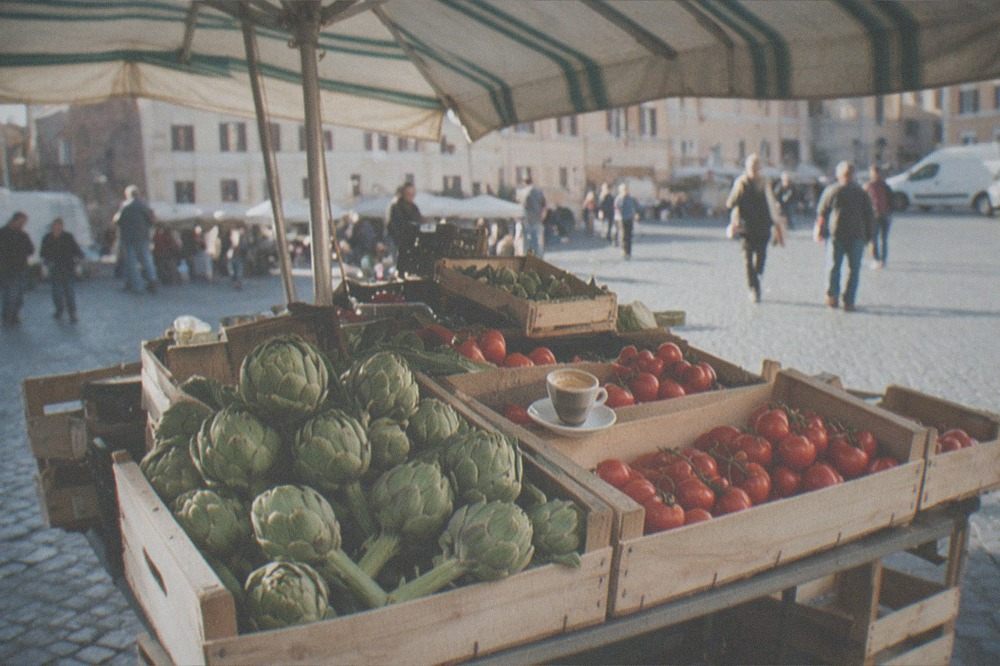
For everything else, strategy beats price lists. Campo de' Fiori's morning market is free to walk and a fine place to assemble a picnic from loose produce. Bakeries and slice shops sell lunch without table service, which is where the savings live, since in Rome you are often paying for the chair rather than the food. And the nasoni fountains mean you never need to buy water at all, a saving of a few euros a day that compounds over a week.
There is even a guided version of eating cheaply. GuruWalk lists small-group lunch walks covering pasta, tiramisu and coffee, rated 4.95 across 716 reviews, where the guiding itself is pay what you want; check each walk's own page for what food is included versus tipped separately, because that varies by listing. For the wider money picture, our Rome on a budget guide works through accommodation, days out and the tourist tax line by line.
What Does Getting Around Rome Cost?
A single BIT ticket costs EUR 1.50 and covers 100 minutes of buses, trams and urban rail including one metro journey, children up to 10 travel free with a fare-paying adult, and contactless card taps charge the same EUR 1.50 with an automatic cap at the EUR 8.50 day rate after four rides. Buses in Rome are not free, and riding without a validated ticket costs EUR 104.90.
The day-pass maths is worth doing before you tap. Roma 24H costs EUR 8.50, 48H costs EUR 15, 72H costs EUR 22 and the weekly CIS costs EUR 29, all unlimited within Rome from first validation. Those prices rose on 1 July 2025 under a Lazio regional decree, so an older guidebook understating them is not a bargain, it is out of date. If you are doing three or fewer point-to-point rides, single tickets win; above that, the cap or the pass takes over.
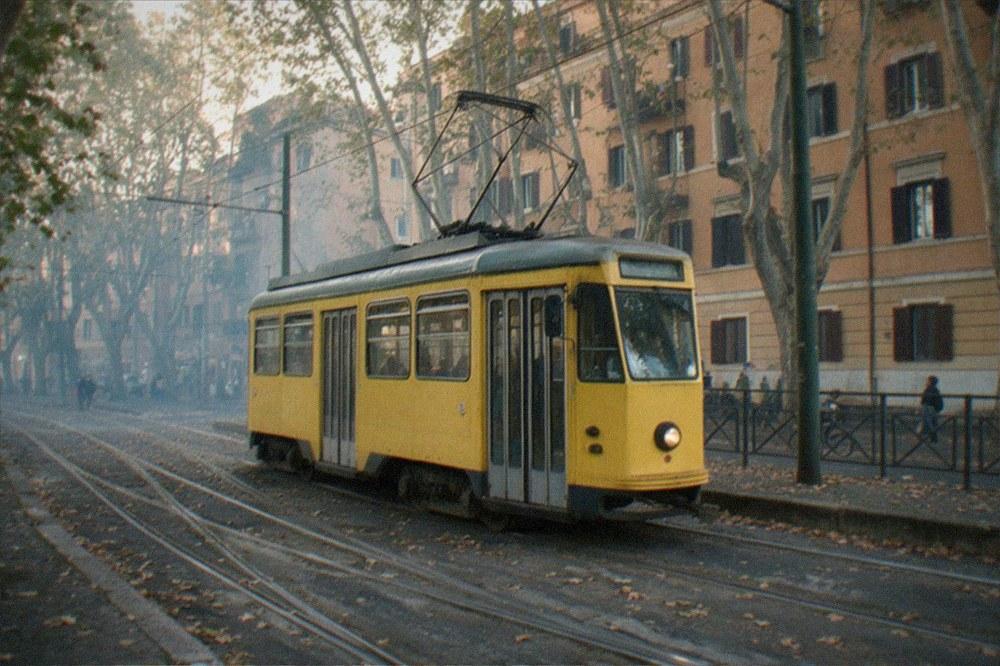
The fine is the number that changes behaviour. Travelling without a valid ticket costs EUR 104.90 in total, the EUR 100 penalty plus costs plus the fare, reduced to EUR 54.90 if paid within five days. Tickets must be validated at the start of every journey and kept for its whole duration. This is not theoretical enforcement; inspectors work the tourist lines regularly.
| ATAC ticket | Price | Validity |
|---|---|---|
| BIT | EUR 1.50 | 100 minutes, one metro ride |
| Roma 24H | EUR 8.50 | 24 hours unlimited |
| Roma 48H | EUR 15.00 | 48 hours unlimited |
| Roma 72H | EUR 22.00 | 72 hours unlimited |
| CIS weekly | EUR 29.00 | 7 days unlimited |
| Children up to 10 | Free | With a fare-paying adult |
The cheapest transport of all is your feet, and Rome rewards walking more than most capitals. The historic centre is largely closed to through traffic during the day, the ZTL zone bars non-authorised vehicles Monday to Friday and Saturday afternoons, and a 30 km/h limit applies across the centre from January 2026. Our getting around Rome on foot guide covers which routes have officially published lengths and what the walkable distances really are. Before any big walking day in summer, check the Ministry of Health heat bulletin: Rome hit 40.1 degrees on 29 June 2026, and the city has issued level 2 and level 3 heat warnings in September.
Which Viewpoints And Parks Are Free?
The Gianicolo hill is published by the city as always accessible with free entry, the Aventine Keyhole is free and unticketed at any hour, the Orange Garden is free with seasonal opening hours, and Villa Borghese's 800,000 square metres are free to enter from dawn to sunset. The Vittoriano monument is free, but its panoramic terrace sits inside an EUR 18 combined ticket.
The Gianicolo is the best free view in Rome and the city's own service page confirms both halves of that claim: always accessible, free entry, 60,000 square metres of terrace above Trastevere. Get there before noon and you also catch the time-signal cannon, which has fired a single shot at 12:00 sharp every day since 1904, an agreement the city renewed with the army in March 2025.
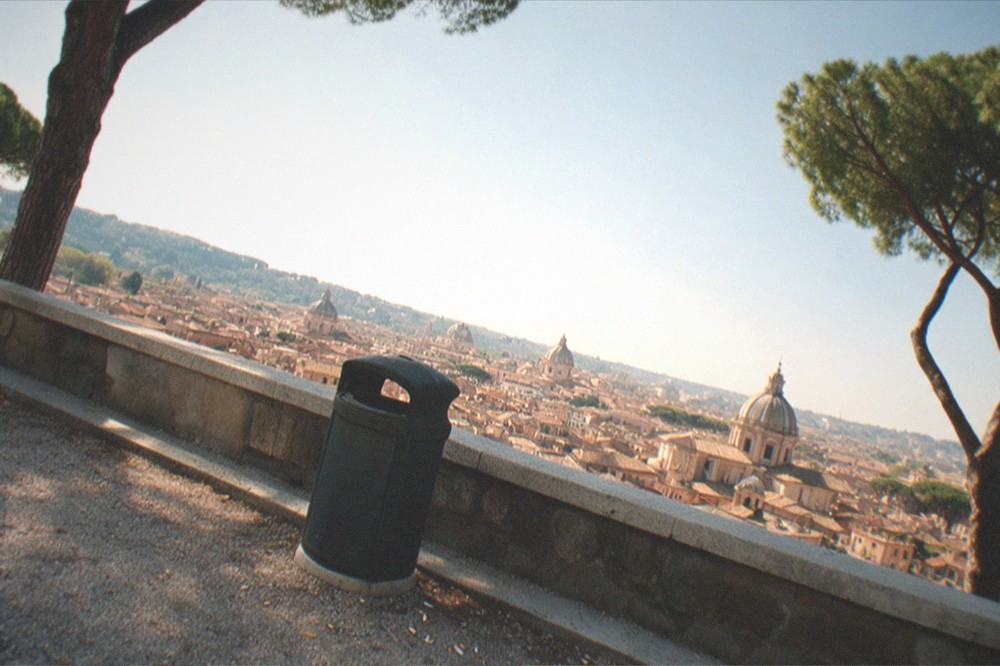
The Aventine pair costs nothing either. The keyhole at Piazza dei Cavalieri di Malta frames St Peter's dome through a garden hedge and is free at any hour of the day or night, in the Order of Malta's own words, because Romans and tourists queue there around the clock. The Orange Garden nearby is gated with real hours, October to February 07:00-18:00, stretching to 21:00 in the height of summer, and faces the Tiber rather than the Circus Maximus, a distinction several famous guidebooks still get wrong.
Villa Borghese deserves its own note because the park and its contents have different rules. Entry to the park is free, dawn to sunset, in the city's own wording, but attractions inside it charge: the Galleria Borghese, the zoo, and, since February 2026, the two small museums Carlo Bilotti and Pietro Canonica, which used to be free for everyone and are now free only for residents of Rome and the metropolitan city. Our is Villa Borghese free page works through every gate and price in the park. One of the free walking routes passes through here: Villa Borghese, English, Two Hours.
What Is Cheap In Rome After Dark?
A lot: the Trevi Fountain is free to everyone after 22:00 when ticketing stops, Sant'Ignazio is open and free until 23:30, the Gianicolo viewpoint never closes, and the city's monuments are lit by roughly 6,000 dedicated light points, so the evening skyline is a free show. Night buses run expanded service on weekends, and a pay-what-you-want ghost walk on GuruWalk covers the dark side of the centre.
Evening is when Rome's pricing logic most favours the frugal. The paid perimeter at Trevi shuts at 22:00 and the fountain becomes free to approach for everyone, which makes a late visit both cheaper and quieter than a mid-morning one. The squares never close, the fountains are floodlit, and the Areti grid company maintains about 11,425 artistic and monumental light points across the city, including a new 259-projector LED scheme at the Markets of Trajan installed in 2025.
Getting home late got easier in July 2026, when ATAC expanded its night network: lines NMA, NMB, NMB1 and NMC now run every 8 to 10 minutes on Saturday nights, with 72 extra journeys and travel assistants on Thursday, Friday and Saturday nights. A single night bus ride costs the same EUR 1.50 BIT as any other journey. Our free things to do in Rome at night page collects the whole evening itinerary.
Guided evening walks follow the same pay-what-you-want model as the daytime ones. The Ghosts and Mysteries walk, rated 4.62 across 3,806 GuruWalk reviews, runs 1 hour 30 minutes in English and Spanish from Lungotevere Castello, and the Ghetto and Trastevere walk, rated 4.89 across 1,167 reviews, covers two of the city's best evening neighbourhoods. Every one of them is listed on GuruWalk by an independent local guide, with the price set by you at the end. This stop sits on a free walking route, Ghetto And Trastevere, English.
One last planning note that costs nothing: Rome's free public wifi network, ROMACAPITALE_WIFI, has live access points across 55 piazzas with login by email and roaming for 14 days, so maps and transport apps work without a data plan. Between that, the fountains, the churches and the pay-what-you-want walks, the expensive version of Rome is entirely optional. This site, Free Things To Do In Rome, exists to keep it that way.
Common Questions About Cheap Things To Do In Rome
What is the cheapest way to see Rome's main sights?
Walk them. The centro storico loop from Campo de' Fiori through Piazza Navona, the Pantheon and the Trevi Fountain is entirely free street, and a pay-what-you-want walking tour on GuruWalk covers the same ground with a local guide for whatever you choose to tip at the end, typically 10 to 20 euros per person.
Is the Trevi Fountain free?
From the square, yes, at any hour. Since February 2026 non-residents pay EUR 2 to enter the inner basin area from 09:00 to 22:00, first Sunday included, but after 22:00 the fountain is free to everyone and the view from the square never costs anything.
How much is a coffee in Rome?
An espresso standing at the bar averaged EUR 1.19 in the province of Rome in 2026, from Ministry price-observatory data. Sitting at a table, especially with a view, multiplies the price several times over, so drink at the counter.
Is public transport in Rome expensive?
No. A single BIT ticket is EUR 1.50 for 100 minutes including one metro ride, a 24-hour pass is EUR 8.50, and children up to 10 travel free with a fare-paying adult. Contactless taps cap automatically at the day rate after four rides.
Are Rome's churches free to enter?
Almost all of them, including St Peter's Basilica, which states that entrance is free of charge. The exceptions are specific underground areas like excavations, crypts and cloisters, which are separately ticketed, while the main naves cost nothing.
Do you have to pay to see the Colosseum?
On most days, yes, with a timed ticket. On the first Sunday of every month the Colosseum, Forum and Palatine are free to everyone, with tickets handed out in order of arrival at the Piazza del Colosseo office; the free ticket excludes the arena floor, the underground and the upper levels.