Rome On A Budget: What A Day Actually Costs And What You Can Skip Paying For
Rome rewards budget travellers more than almost any other European capital, but only if you know which free things are really free, which carry a condition, and where the small charges hide.
Short answer
A budget day in Rome can run on very little: an espresso al banco averages EUR 1.19, a BIT transport ticket is EUR 1.50 for 100 minutes, and the city's churches, squares and viewpoints cost nothing. The Trevi basin now charges EUR 2, and the tourist tax adds EUR 3.50 to EUR 10 per night depending on your accommodation.
Rome recorded 22,965,222 tourist arrivals and 52,920,135 overnight stays in 2025, an average stay of 2.3 nights, and a fair share of those visitors spent far more than they needed to. The city's most famous experiences, the churches, the squares, the viewpoints, the fountains seen from public ground, cost nothing. What catches people out is a handful of new small charges and a layer of minor costs nobody warns you about: the tourist tax, the EUR 2 Trevi basin ticket, the EUR 1 public toilet. This guide sets out what a budget day in Rome genuinely costs, what is free without conditions, what is free only under a condition, and where a pay-what-you-want walking tour does the work a EUR 60 guided tour would otherwise do.
How Much Does A Day In Rome Actually Cost?
Counting accommodation, a realistic budget day in Rome runs on roughly EUR 60 to EUR 100 per person once the nightly tourist tax is included, and it can drop far below that if you skip paid attractions entirely. The unavoidable baseline is the contributo di soggiorno, EUR 3.50 per night in a hostel up to EUR 10 in a five-star hotel, plus food and a EUR 1.50 transport ticket when you need one. Everything else is optional.
The tourist tax is the charge most visitors never budget for, because it is paid at the hotel rather than at booking. Rome's rates, in force since 1 October 2023 and capped at ten nights in the same structure, run from EUR 3.50 per person per night in a hostel and EUR 4 in a one-star hotel, through EUR 6 at the vast middle of the market including three-star hotels, B&Bs and holiday apartments in the top category, up to EUR 7.50 at four stars and EUR 10 at five stars. Minors under ten, youth-hostel guests and visitors with severe disability plus a carer are exempt.
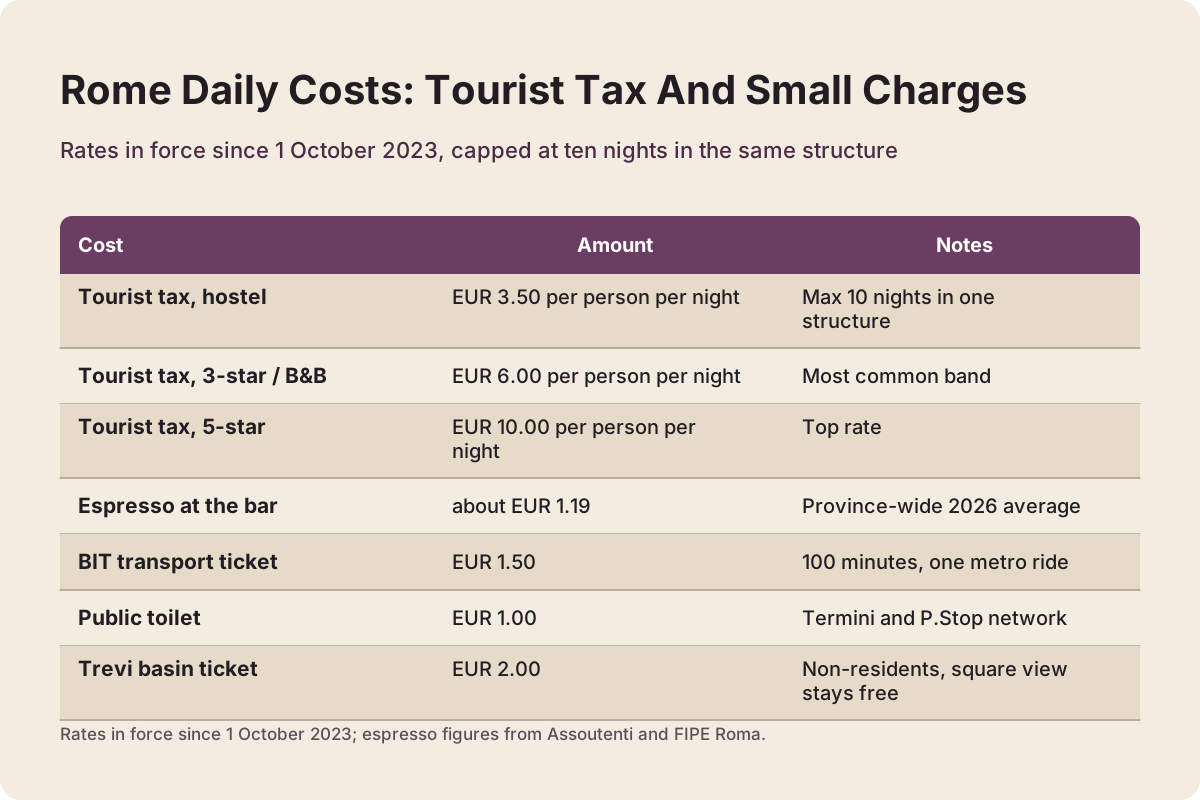
Below the tax, the daily floor is small. An espresso al banco, standing at the bar, averaged EUR 1.19 in the province of Rome in 2026 in price-observatory data analysed by Assoutenti, and FIPE Roma put it at EUR 1.14 in April 2025. Public toilets at Roma Termini and the P.Stop network including Piazza di Spagna charge EUR 1. A single BIT transport ticket is EUR 1.50 and covers 100 minutes. The one cost that genuinely bites in summer is heat rather than money: the Ministry of Health issued heat risk level 2 for Rome on 1 and 2 September 2026 and level 3 on 3 September, so budget for more water stops, and use the nasoni.
| Cost | Amount | Notes |
|---|---|---|
| Tourist tax, hostel | EUR 3.50 per person per night | Max 10 nights in one structure |
| Tourist tax, 3-star / B&B | EUR 6.00 per person per night | Most common band |
| Tourist tax, 5-star | EUR 10.00 per person per night | Top rate |
| Espresso at the bar | about EUR 1.19 | Province-wide 2026 average |
| BIT transport ticket | EUR 1.50 | 100 minutes, one metro ride |
| Public toilet | EUR 1.00 | Termini and P.Stop network |
| Trevi basin ticket | EUR 2.00 | Non-residents, viewing from square stays free |
What Is Genuinely Free In Rome's Centre?
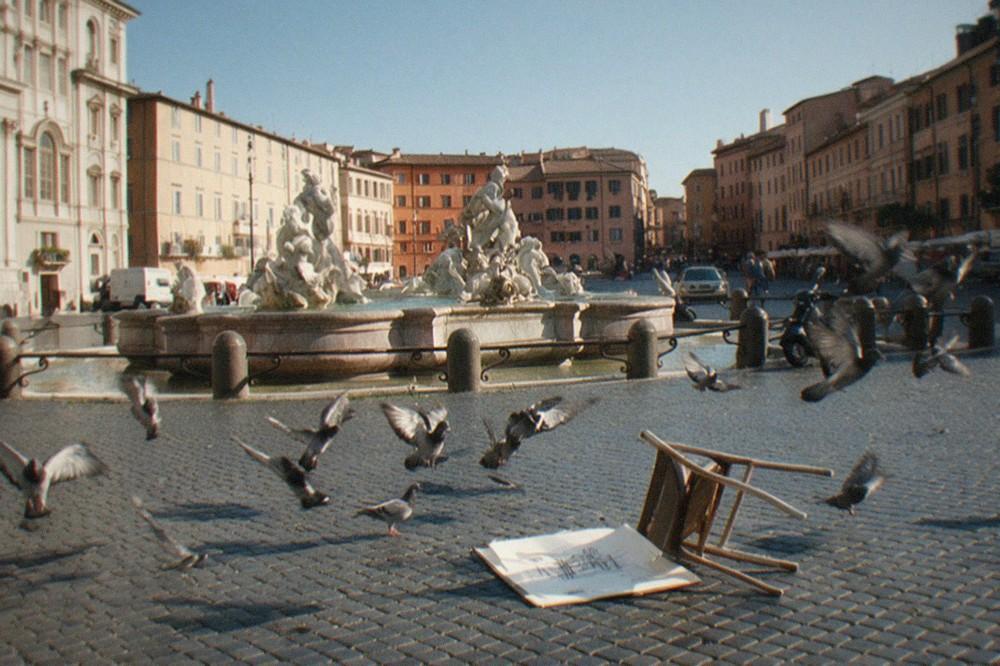
The historic centre's core sights cost nothing to see: the Pantheon's exterior and piazza, Piazza Navona, Campo de' Fiori, the Spanish Steps and St Peter's Basilica are all free, unticketed public space, and the basilica states plainly that entrance is free of charge. The condition to watch is Trevi, where the basin now costs EUR 2 for non-residents while the view from the square stays free at any hour. One of the free walking routes passes through here: Two-Hour Highlights Walk.
A lot of "free Rome" is simply public space, and it is the best of it. Piazza Navona, Campo de' Fiori and Piazza di Spagna have no ticket, no timed entry and no crowd cap. St Peter's Basilica, open 07:00 to 20:00 year round, says it in one sentence on its own site: entrance is free of charge, and only visitors who want a guaranteed time slot pay, EUR 7, for a booked slot that includes a digital audio guide. The dress code is enforced, long trousers for men, covered shoulders for everyone, and the security queue in the right hemicycle of the square is real, but the price is zero.
The free water network is the budget traveller's secret weapon. Rome has 2,800 nasoni, the cast-iron drinking fountains geolocated by ACEA's Waidy Wow app, and the water is the same drinkable water that reaches Roman homes, under annual quality control. The first was installed in 1874, and three new ones were inaugurated on the Via Sacra by the Colosseum for the 150th anniversary. Travellers posting online in August and September 2026 confirm they work, though some report individual fountains dry or fitted with unresponsive push buttons, so treat any one fountain as a bonus rather than a guarantee and refill where you find water flowing. One of the free walking routes passes through here: English Ancient Rome, 2 Hours 15.
The cheapest way to have the centre explained is a pay-what-you-want walking tour. Every walk listed on this site is a real listing on GuruWalk, run by an independent local guide: you book free, walk, and tip what the walk was worth at the end. GuruWalk's own Rome page states that 10 to 20 euros per person is typical, with some walkers leaving up to 50. For the essential centre, the Bilingual Center Walk, 2 Hours 15, rated 4.82 across 1,529 GuruWalk reviews, runs in English and Spanish from Foro Traiano and covers the headline sights between the forum and the Pantheon in a single loop.
For a full free-museums strategy, the state system gives a lot away on conditions. Under-18s of any nationality enter every state museum free, the Ministry of Culture states it with no nationality condition, and the EUR 2 rate for 18 to 25 year olds is an EU-citizen rate extended to others only on reciprocity. The first Sunday of the month, Domenica al Museo, makes state sites free to everyone: details and traps are covered in the site's guide to free Sundays in Rome. Rome's civic museums are a separate system with different rules, and conflating the two is the easiest way to plan a day around a museum that charges you at the door.
Can You See Ancient Rome On A Budget?
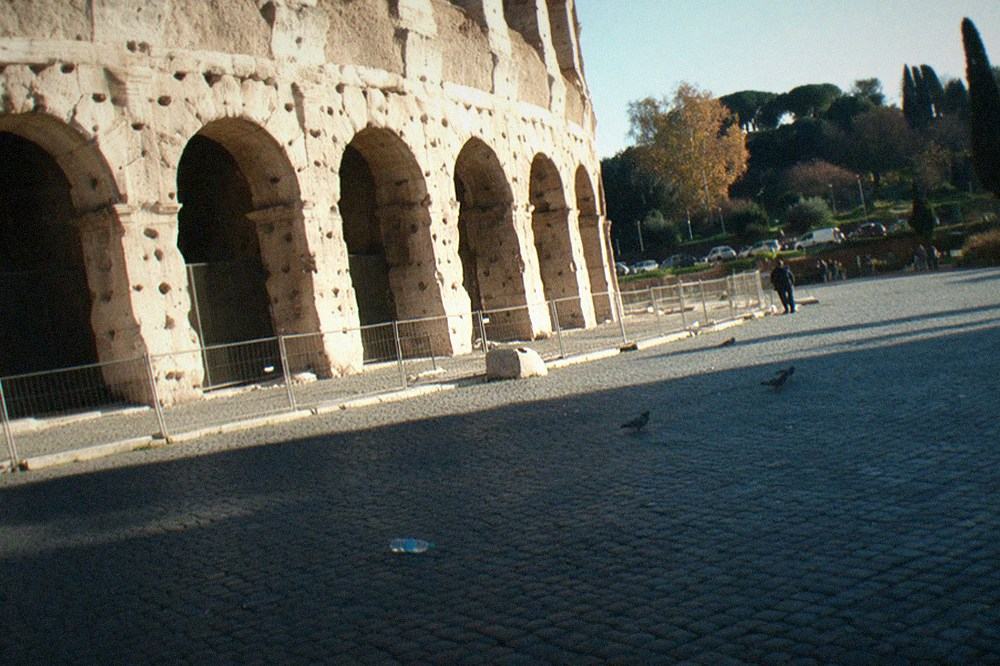
Yes, and more of it is visible for free than most guides admit. The Colosseum's exterior, the whole Arch of Constantine, the Circus Maximus valley and long stretches of the Via Appia Antica cost nothing, while entry inside the Colosseum and the Forum is ticketed, free only on first Sundays, when Colosseum tickets are handed out first-come at one ticket office and exclude the arena and underground.
The Colosseum park recorded 14,733,395 entries in 2024, up 19.8 percent on 2023, the most-visited paid state site in Italy, so the paid experience is crowded and the free Sunday more so. The free first-Sunday ticket is collected in order of arrival at the Piazza del Colosseo ticket office near the Temple of Venus and Rome and at Largo della Salara Vecchia, cannot be booked online, and excludes the panoramic lift, the upper levels, the arena, the hypogea and the SUPER sites. The park is also free to all on 25 April, 2 June and 4 November 2026.
What you can do free, any day, is walk the perimeter. The amphitheatre's arches, the Arch of Constantine beside it and the view down the Via dei Fori Imperiali towards the Forum's edge are all public ground. The Circus Maximus valley has no ticket for the open area. And a bilingual pay-what-you-want walk makes sense here for the same reason as in the centre: the Colosseum Walk, Bilingual, 1 Hour 45, rated 4.88 across 1,463 GuruWalk reviews, meets at Piazza dei Calcarari and gives you the amphitheatre and the forum's story for a tip.
Budgeting the ancient half of the city is a timing exercise more than a spending one. The perimeter and the forum viewpoints cost nothing on any day, the first Sunday adds the ticketed interiors with their own exclusions, and the guiding costs whatever you decide it was worth at the end. Visitors who want both halves of the city in a single day can pair an ancient-Rome walk with a centre walk, which keeps the day's entire guiding cost in their own hands.
For depth without a ticket, the English Ancient Rome walk, 2 Hours 15, rated 4.64 across 141 GuruWalk reviews, covers the same ground in one language with more time for questions. The deeper answer to what the Colosseum and Forum cost on ordinary days, and which parts of the free Sunday ticket are excluded, is in the site's guide to whether the Colosseum is free.
Is The Trevi Fountain Still Free To Visit?
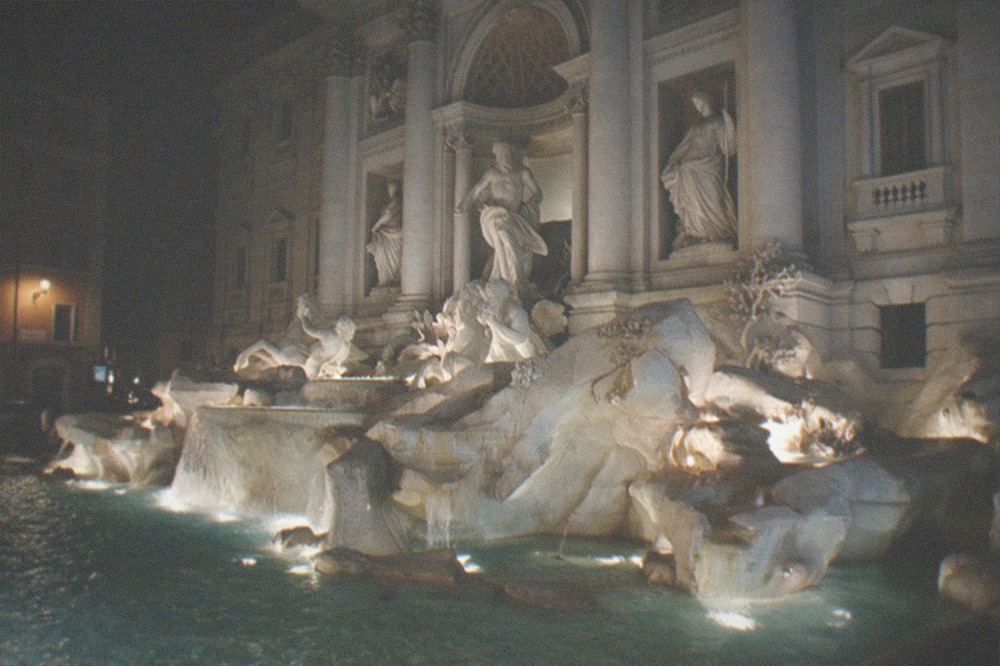
Half of it is. Seeing the Trevi Fountain from Piazza di Trevi is free at any hour, but since 2 February 2026 non-residents pay EUR 2 to enter the inner perimeter right at the basin, daily from 09:00 to 22:00 and from 11:30 on Mondays and Fridays, and the charge stays in force on the first Sunday of the month. After 22:00 the whole fountain is free to everyone. A free walk covers this ground: 11 Spots, 2 Hours 45.
The change followed a one-year trial, and the numbers behind it explain why it happened: the piazza takes an average of 30,000 visitors a day, peaking at 70,000, over 9 million a year. In the first month of ticketing, 2 February to 2 March 2026, the city recorded 229,896 entries and EUR 435,194 in revenue, which Roma Capitale states is earmarked to fund free civic-museum entry for residents and heritage maintenance, as set out in the city's own first-month press release. Residents of Rome and the Città Metropolitana with ID, people with disabilities and a companion, children under 6 and licensed guides enter the basin free.
| Trevi Fountain experience | Cost | Condition |
|---|---|---|
| Viewing from the square | Free | Any hour, no conditions |
| Inner perimeter at the basin | EUR 2 | Non-residents, 09:00 to 22:00, 11:30 start Mondays and Fridays |
| Inner perimeter after 22:00 | Free | Everyone, once ticketing closes |
| First Sunday of the month | EUR 2 | The charge stays in force that day |
| Residents with ID | Free | Rome and Città Metropolitana |
For a budget itinerary this is a scheduling problem, not a money problem. Walk past late: the fountain is floodlit and the square is calmer after the ticket desks close, and the coin toss works from the outer steps. The full rules, including who is exempt and where tickets are sold, are in the site's guide to whether the Trevi Fountain is free. A free walk covers this ground: Bilingual Center Walk, 2 Hours 15.
Which Squares And Viewpoints Cost Nothing?
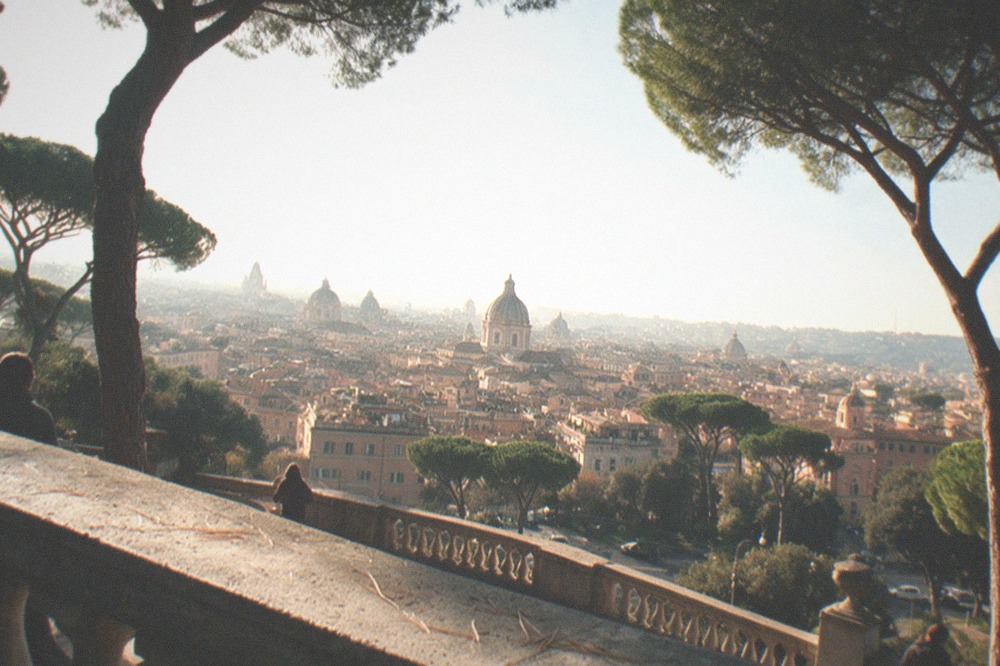
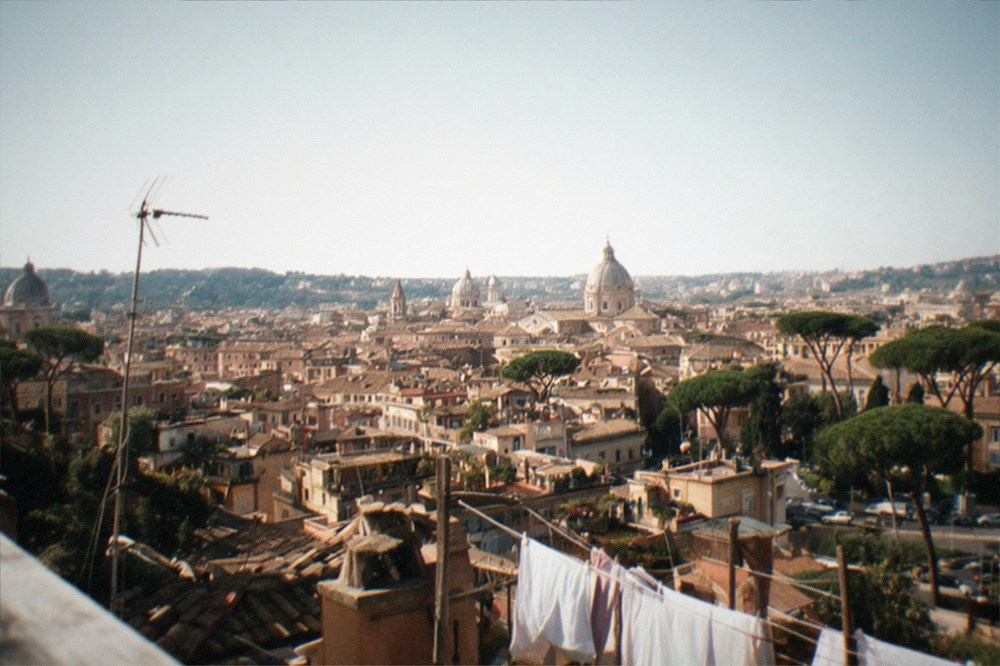
Rome's best views are all free: the Gianicolo belvedere is published by the city as always accessible with free entry, the Aventine Keyhole is free and unticketed at any hour, the Giardino degli Aranci is free with seasonal gates, and the Terrazza del Pincio inside Villa Borghese is free parkland. The one famous exception is the Vittoriano's panoramic terrace, which sits inside an EUR 18 combined ticket, while the monument itself is free. One of the free walking routes passes through here: Villa Borghese, English, Two Hours.
The Gianicolo is the strongest of these for a budget day. Roma Capitale's own service page records the Passeggiata del Gianicolo as sempre accessibile, entry libero, 60,000 square metres in Rione XIII Trastevere, holding the Fontana dell'Acqua Paola and the belvedere at Piazzale Garibaldi. Below the belvedere, a cannon has fired the noon time signal every day since 1904, and the city renewed the agreement for the service in March 2025, so you can plan a free, precisely timed spectacle. The Orange Garden on the Aventine is free and genuinely gated, open 07:00 to 18:00 from October to February and to 21:00 in the April to August band, and it faces the Tiber, not the Circus Maximus, a distinction the city's own description makes and many guidebooks get wrong.
Between viewpoints, the centro storico's squares string together into a walk that costs nothing but shoe leather. A pay-what-you-want walk is an efficient way to link them with the stories attached: the Two-Hour Highlights Walk, rated 4.9 across 722 GuruWalk reviews, meets at Campo de' Fiori and covers the essential squares and fountains in a single morning loop.
The Vittoriano deserves its warning. Entry to the monument and to the Giardino grande di Palazzo Venezia is free, and you can walk in and linger. The Terrazza Panoramica is not part of that free zone: it sits inside an EUR 18 combined ticket with the Sommoportico, the Museo Centrale del Risorgimento and Palazzo Venezia, reduced to EUR 5 for 18 to 24 year olds, free under 18, and free to everyone on the first Sunday of the month for that day only. Free alternatives with equally good domes-and-skyline views sit on the Gianicolo and the Pincio, so the budget answer is simply to skip the terrace. The full list is in the site's guide to the best free views in Rome.
How Do You Get Around Rome Cheaply?
Rome's buses and metro are not free, but they are cheap and capped: the BIT ticket is EUR 1.50 for 100 minutes with one metro ride, and contactless tapping stops at the EUR 8.50 day fare. Children up to 10 travel free with a paying adult. The expensive option is riding without a ticket: the fine is EUR 104.90, cut to EUR 54.90 if paid within five days.
The tap-and-pay cap is the detail that changes behaviour. Tap a contactless card at each validator and you are charged EUR 1.50 per journey, but once you have made four taps within 24 hours the system applies the Roma 24H fare of EUR 8.50 and no more, so a heavy day of sightseeing cannot overpay. The paper equivalents are the 24H at EUR 8.50, 48H at EUR 15, 72H at EUR 22 and the weekly CIS at EUR 29, prices that rose on 1 July 2025 under a Regione Lazio deliberation. Tickets must be validated at the start of each journey and kept for its whole duration, per ATAC's fare page.
| Ticket | Price | Validity |
|---|---|---|
| BIT | EUR 1.50 | 100 minutes, one metro journey |
| Roma 24H | EUR 8.50 | 24 hours unlimited within Rome |
| Roma 48H | EUR 15.00 | 48 hours unlimited |
| Roma 72H | EUR 22.00 | 72 hours unlimited |
| CIS weekly | EUR 29.00 | 7 days unlimited |
| Children up to 10 | Free | With a fare-paying adult |
| Contactless Tap and Go | EUR 1.50 per journey | Caps at EUR 8.50 after four taps in 24 hours |
The budget strategy is to walk and to tap, not to buy a pass. Rome's centro storico is compact, and the daytime ZTL already bars non-authorised vehicles Monday to Friday 06:30 to 18:00 and Saturday afternoons, with a 30 km/h limit across the zone since January 2026, so the historic streets you actually want are calm enough to walk. Check the government's official strike register at scioperi.mit.gov.it before any day built around buses, and note that free travel exists only for children and for resident schemes, such as the over-70 pass, that no visitor qualifies for. The walking-first case, with the routes that have officially published lengths, is set out in the site's guide to getting around Rome on foot.
Where Can You Eat Cheaply In Rome?
Eat standing and eat where the espresso is cheap: the province-wide bar average is EUR 1.19 for coffee al banco, and the same logic, counter service, no cover charge, no tourist-menu markup, applies to pizza al taglio and morning pastries. The budget traps are sit-down restaurants in the landmark squares, where prices are set for the view, not the food.
The espresso numbers are the honest baseline for everything else. Assoutenti's analysis of Ministry price-observatory data put the Rome-province average at EUR 1.19 in 2026, and FIPE Roma, the trade body, put it at EUR 1.14 in April 2025, up about 7 cents on the year before. A bar a few streets off a landmark will be near that average; a bar with tables facing the landmark will not. The rule is mechanical: within sight of the Pantheon or the Trevi you pay for the sight, three streets away you pay Rome prices. A free walk covers this ground: Bilingual Secrets Of Rome.
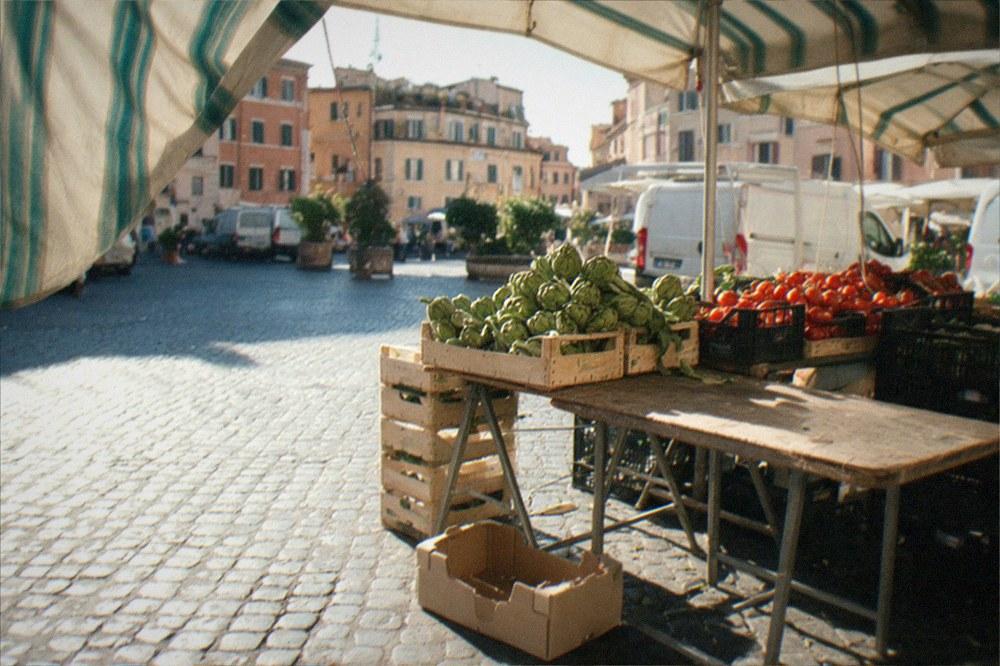
Two free-adjacent food experiences are worth planning around. Porta Portese, the Sunday flea market in Trastevere, runs every Sunday year round from early morning to about 14:00 and is free to walk, with a planned 2026 redesign covering its 840 concessions but no change to its day or location. And a pay-what-you-want food walk turns lunch itself into the sightseeing: the Lunch Small Group, Pasta and Tiramisu walk, rated 4.95 across 716 GuruWalk reviews, and its pizza-and-gelato twin, rated 4.97 across 227, both run two hours from the centro storico. Note that any tastings beyond the guiding are an out-of-pocket cost, the guiding itself is pay what you want.
What Does A Cheap Evening In Rome Look Like?
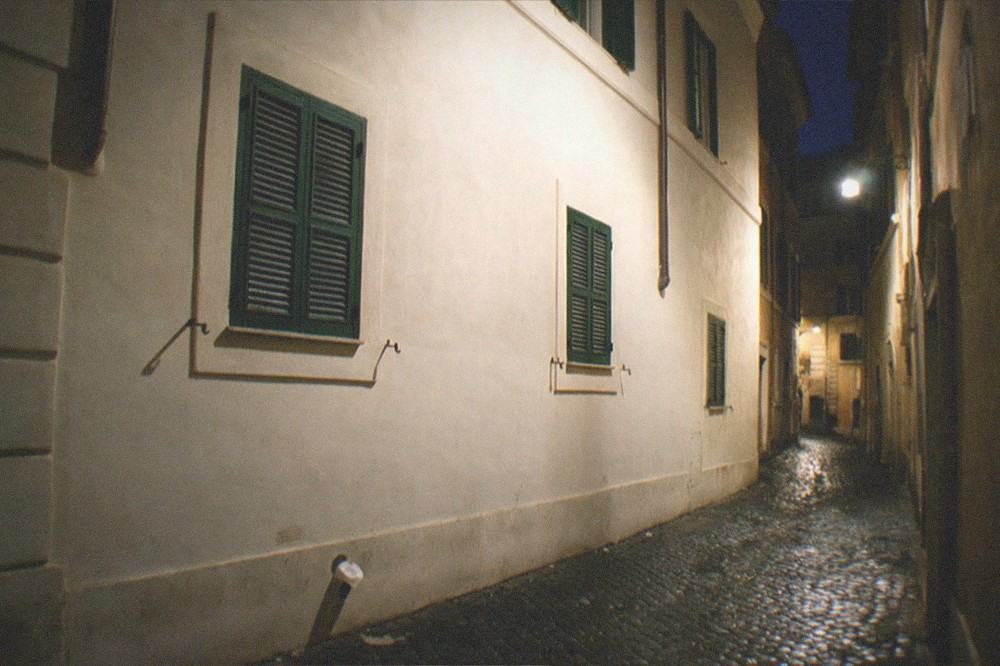
After dark the budget case improves further: the Trevi Fountain is free to everyone after 22:00, Sant'Ignazio di Loyola is free and open until 23:30, the one major Rome church you can walk into late, and the Gianicolo is officially always accessible, so a floodlit evening walk costs nothing. Night buses under the July 2026 Piano Roma Notte expansion run the main metro corridors every 8 to 10 minutes on Saturday nights.
Rome's artistic lighting is a real, free spectacle with a number behind it: the ACEA group's grid company runs about 11,425 artistic-monumental light points across the city, including roughly 6,000 points of light on monuments, and the Mercati di Traiano alone gained 259 LED projectors in 2025. A route from Sant'Ignazio past the Pantheon's lit portico to the Trevi, arriving after the 22:00 ticket cut-off, gives you the two most famous interiors and exteriors in the centre for nothing. This stop sits on a free walking route, Colosseum Walk, Bilingual, 1 Hour 45.
The ghost-and-mystery walks are the evening equivalent of the daytime centre walks: pay what you want, and the Ghosts and Mysteries walk, rated 4.62 across 3,806 GuruWalk reviews, runs 90 bilingual minutes from Lungotevere Castello. For the full after-dark picture, including what the authorities have actually designated rather than what listicles claim, see the site's guide to free things to do in Rome at night.
How Do You Build A Full Budget Itinerary In Rome?
Stack the free layers in this order: public squares and churches all day, a pay-what-you-want walking tour for the storytelling, viewpoints at golden hour, and the state museums' first-Sunday free day or the under-18 rule for anything ticketed. A three-day budget visit can be built around two walking tours, one free museum day and one viewpoint evening, with the only fixed costs being food, the tourist tax and the occasional EUR 1.50 ticket.
The sequencing matters because the free days are crowded. The first Sunday makes the Colosseum, Forum, Pantheon, Castel Sant'Angelo and the Galleria Borghese free, but the Colosseum's free tickets are first-come, the Galleria Borghese still charges its compulsory EUR 2 booking fee on a free ticket, and the Domus Aurea closes that day entirely. The Vatican Museums run their own separate free day, the last Sunday of the month, 09:00 to 14:00 with last entry 12:30, walk-in with no booking, and free entry does not apply when that Sunday is Easter, 29 June, 25, 26 or 31 December, per the museums' own calendar. The under-18 rule at state sites, set out on the Ministry of Culture's concessions page, applies to every nationality and is the single most generous standing concession in the city. This stop sits on a free walking route, Ghosts And Mysteries, Bilingual.
| Itinerary block | Cost | Best timing |
|---|---|---|
| Centre squares and churches | Free | Early morning or evening |
| Pay-what-you-want walking tour | Tip only, 10 to 20 euros typical | Morning start |
| State museums, first Sunday | Free, conditions apply | First Sunday, arrive early |
| Vatican Museums, last Sunday | Free, 09:00 to 14:00 | Last Sunday, queue from early |
| Trevi Fountain | Free from the square, EUR 2 at the basin | After 22:00 for free basin access |
| Gianicolo and viewpoints | Free | Golden hour or night |
For the paid-optional layer, the walks that convert best from this page's ground are the neighbourhood and art walks: the Ghetto and Trastevere walk, rated 4.89 across 1,167 GuruWalk reviews, the Caravaggio Mystery Walk, rated 4.92 across 2,028, and the Villa Borghese walk, rated 4.78 across 100, all pay what you want, all run by independent guides whose listings sit on GuruWalk. One of the free walking routes passes through here: Ghetto And Trastevere, English.
One warning to carry through any Rome budget plan: this is a city actively converting free public space into ticketed space. The Trevi charge arrived in February 2026 after a one-year trial, five previously free civic museum sites went paid the same month, and state museum prices were revised in July 2026. A budget written from a 2024 blog post will be wrong. The pages on Free Things To Do In Rome track each rule individually, and each one names its condition in the same breath as its price, which is the only honest way to write about a city mid-change.
Common Questions About Rome On A Budget
How much money do I need per day in Rome?
Excluding accommodation, a frugal day runs on EUR 30 to EUR 50: coffee and a pastry at the bar, pizza al taglio or a market lunch, one EUR 1.50 transport ticket and free sights. Add the tourist tax of EUR 3.50 to EUR 10 per night at your accommodation category, and add paid entries only if you skip the free days.
Is Rome expensive for tourists?
It is expensive only if you buy the view. Bar coffee averages about EUR 1.19 across the province, the churches and major basilicas are free, the viewpoints are free, and pay-what-you-want walking tours replace paid guided tours. The costs that accumulate are the tourist tax, public toilets at EUR 1 and the EUR 2 Trevi basin ticket.
What is free in Rome on Sundays?
State museums and archaeological sites, including the Colosseum and the Roman Forum, are free on the first Sunday of the month, with tickets handed out first-come and parts of the sites excluded. The Vatican Museums are free on the last Sunday of the month, 09:00 to 14:00, walk-in. Ordinary Sundays leave the churches, squares and viewpoints free as always.
Are the free walking tours in Rome really free?
The guiding is pay what you want: you book free on GuruWalk, walk with an independent local guide, and tip at the end. GuruWalk's own Rome guidance says 10 to 20 euros per person is typical and some walkers leave up to 50. Budget the tip as a real cost and the maths still beats most paid tours.
How do I avoid the tourist tax in Rome?
You largely cannot, and you should treat it as part of the room price. It applies per person per night, from EUR 3.50 in a hostel to EUR 10 in a five-star hotel, capped at ten nights in the same structure. Minors under ten, youth-hostel guests and visitors with severe disability plus a carer are the exempt categories.
Is the Trevi Fountain free now?
Seeing it from the square is free at any hour. Entering the inner perimeter at the basin costs non-residents EUR 2 from 09:00 to 22:00, from 11:30 on Mondays and Fridays, and the charge applies on the first Sunday of the month too. After 22:00 the basin is free to everyone.