Is The Pantheon Free? Entry Rules, Free Days And What Actually Costs Money
The Pantheon stopped being free for most adults in 2023, but three free routes into the building still exist, and one of them is available every single week. This guide sets out the current rule, the exemptions that survive, and what a visit costs when none of them apply.
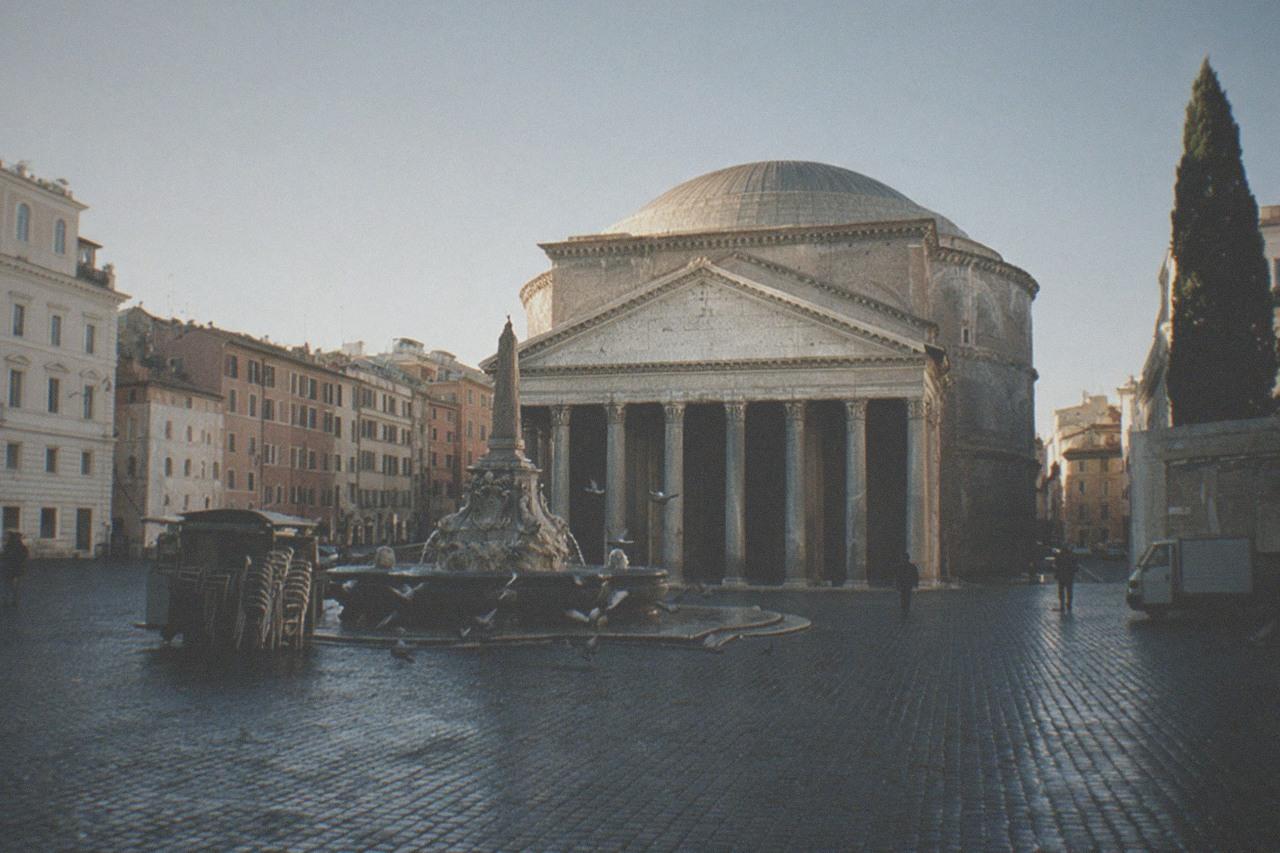
Short answer
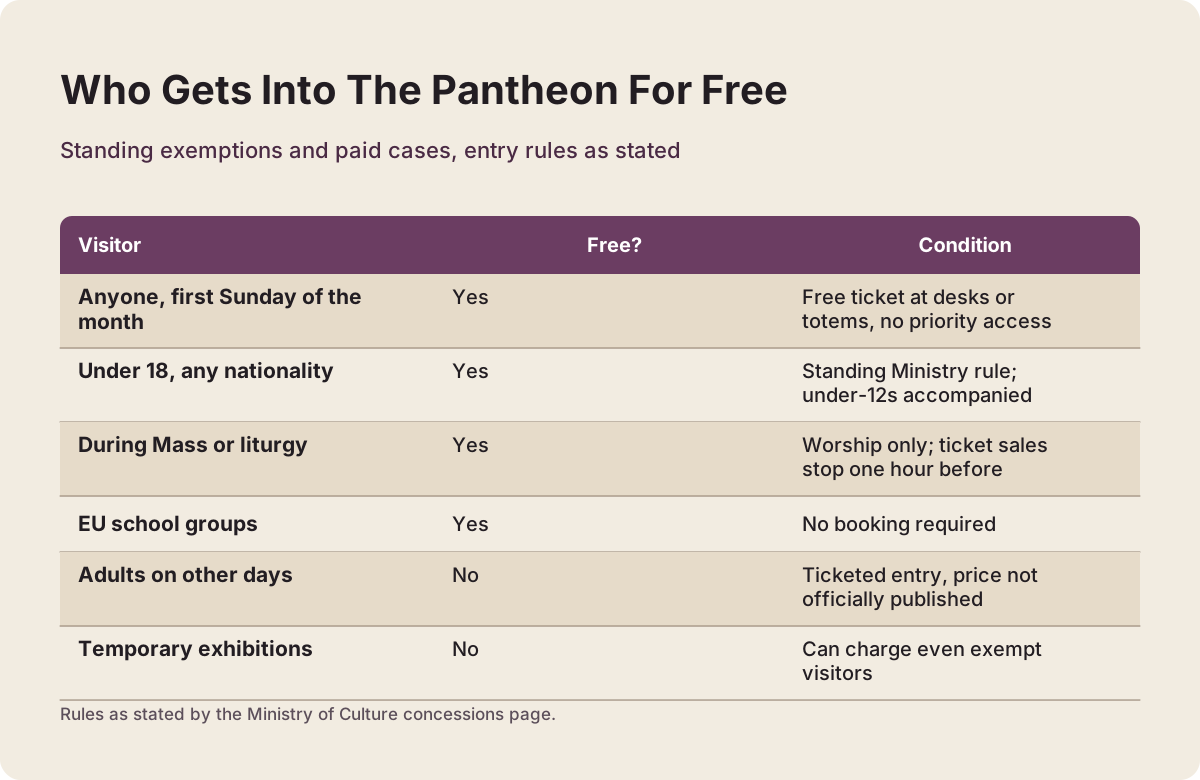
No, the Pantheon is no longer free for most visitors: entry is ticketed. It is free for anyone under 18 of any nationality, free for everyone on the first Sunday of the month, and free during Mass. On other days adults pay, and no official page currently publishes the price, so check at the entrance.
The Pantheon was free to enter for most of modern memory, and that is exactly why the question "is the Pantheon free?" still gets asked thousands of times a month. The honest answer is that it depends on who you are and which day you arrive. The building is ticketed, and it has been since 2023, but the ticket has more holes in it than most visitors realise. Children walk in without paying whatever the date. Everyone walks in without paying on the first Sunday of the month. And anyone can walk in without paying during scheduled Mass, which happens twice a weekend.
This page sets out the current rule from official sources, names every exemption that still stands, and explains what to do on the days when none of them apply. It also covers the practical mechanics that catch people out: where the free first-Sunday tickets actually come from, why nobody can quote you a reliable price, and what else around Piazza della Rotonda costs nothing at all.
Is The Pantheon Free To Enter?
Entry to the Pantheon is ticketed, so it is not free for a typical adult on a typical day. Three groups still enter free: visitors under 18 of any nationality, everyone on the first Sunday of the month, and anyone present during Mass or another liturgical activity. On all other days an admission charge applies, and the free walk-in that existed before 2023 is gone.
The change came from the Ministry of Culture together with the Diocese of Rome, and it applies to the building as a state museum site rather than as a working church, which is a distinction worth holding onto. The Pantheon is both. As a museum it charges; as a basilica it cannot, and the liturgy exemption is the practical expression of that.
The under-18 rule is broader than most guidebooks suggest. The Ministry's concessions page states it without any nationality condition: entry to state museums, monuments, galleries and archaeological areas is free for visitors who have not yet turned eighteen. An American, British, Australian or Japanese fifteen-year-old enters on exactly the same terms as an Italian one. Under-12s must be accompanied, but they still do not pay.
One more exemption travels with the ticket rather than the calendar: free entry never automatically includes a temporary exhibition. The Ministry states in writing that some temporary shows carry an additional cost even for visitors who are otherwise exempt, so if a special display is running inside the Pantheon, ask at the desk rather than assuming your free route covers it.
What Day Is The Pantheon Free?
The Pantheon is free for everyone on the first Sunday of each month, through the Ministry of Culture's Domenica al Museo scheme. Free tickets are collected on site at the cash desks and automatic totems, not booked online, and the free ticket gives no priority access. The scheme covers state sites only, so it does not extend to the Vatican Museums. A free walk covers this ground: 11 Spots, 2 Hours 45.
The mechanics matter more than the headline. On the free Sunday you join the ordinary queue and collect a non-nominal free ticket at the entrance. There is no online reservation for it, which is the opposite of every other day of the month, and there is no skip-the-line option at the Pantheon at any time. The Ministry's own pages warn that the free ticket does not give priority access, so plan for a wait proportional to the crowd.
Two caps shape the day. Access is in time slots between 09:00 and 18:00, capped at 1,200 people per slot, and ticket sales stop one hour before any liturgical activity. Combine those with the fact that everyone arrives at once, and the practical advice writes itself: come early, or come late afternoon when the first wave has passed through.
The first-Sunday scheme is a national one and it is generous in Rome. The Colosseum, the Roman Forum and Palatine, Castel Sant'Angelo, the Galleria Borghese and the Baths of Caracalla are all on it, alongside the Pantheon. If you are planning a trip around it, the dedicated free Sundays in Rome guide breaks down what each site's free ticket actually includes, because the inclusions differ sharply from place to place. One of the free walking routes passes through here: Colosseum Walk, Bilingual, 1 Hour 45.
A free Sunday also pairs naturally with a pay-what-you-want walk, since one costs nothing and the other costs nothing up front. The 11 Spots, 2 Hours 45 walk from the essential Rome roster is rated 4.95 across 6,498 GuruWalk reviews and covers the Pantheon alongside the Trevi Fountain and the other headline sights, which makes it a sensible spine for a first-Sunday itinerary built around free museum entry.
Who Gets Into The Pantheon For Free?
Beyond the first Sunday, the standing exemptions are: visitors under 18 of any nationality, EU school groups with no booking required, and anyone attending during Mass or liturgical activity, when the basilica is open for worship at no charge. Free entry does not extend to temporary exhibitions, which can charge even exempt visitors. This stop sits on a free walking route, Bilingual Center Walk, 2 Hours 15.
The Mass route is the one almost nobody uses deliberately, and it is the most reliable free route in the building because it recurs every week. Mass is held at 17:00 on Saturdays and on days before holidays, and at 10:30 on Sundays and holidays. During liturgical activity the basilica is open for worship and no ticket is needed; ticket sales simply stop an hour before each service begins. You will be attending a service rather than sightseeing, so treat it with the respect that implies, but the building, the dome and the oculus are all around you.
The under-18 rule deserves a second mention because families budget around it. It is not a discount, it is a full exemption, and it applies at every state site in Italy, not just here. The related EUR 2 reduced rate for 18 to 25 year olds is different: that is explicitly an EU-citizen rate, extended to non-EU citizens only where reciprocity applies, so a non-EU 22-year-old should not be promised the reduced price.
Here is the full picture of who pays and who does not, in one place:
| Visitor | Free? | Condition |
|---|---|---|
| Anyone, first Sunday of the month | Yes | On-site free ticket at desks or totems, no priority access |
| Under 18, any nationality | Yes | Standing Ministry rule; under-12s accompanied |
| During Mass or liturgy | Yes | Worship only; ticket sales stop one hour before |
| EU school groups | Yes | No booking required |
| Adults on other days | No | Ticketed entry, price not officially published |
| Temporary exhibitions | No | Can charge even exempt visitors |
If your free route is the first Sunday, a guided walk that morning can fill the wait and the rest of the day. The central-Trevi-Pantheon walk meets near the fountain itself and threads through the historic centre to the Pantheon, and the guiding is free with a tip at the end.
How Much Does The Pantheon Cost When It Is Not Free?
Adults pay a ticket price that no official page currently publishes in a verifiable form, so this guide deliberately prints no number. What is verified is how tickets are sold: only through the official Museiitaliani portal or app, or on site at the cash desks and automatic totems. Third-party resellers add nothing you cannot get yourself.
That sounds like an evasion, so it is worth explaining. The Ministry's own page for the Pantheon has carried different figures at different moments, and Italian press has reported a mid-2026 increase under a new Ministry and Diocese convention, but no official page could be opened to confirm the current figure at the time this site's research was compiled. Printing a stale price would be worse than printing none. The reliable move is to check the Museiitaliani portal or ask at the desk, and to be suspicious of any third-party site quoting a firm "skip-the-line Pantheon price", because there is no skip-the-line option at this building at all. A free walk covers this ground: Two-Hour Highlights Walk.
What can be stated with confidence is the shape of the ticketing. Access is by official ticket bought through the Museiitaliani portal or app, or in person at the cash desks and the automatic totems at the entrance. That is the complete list of legitimate channels. Anyone selling anything beyond that, whether a priority entry or a bundled pass, is selling convenience rather than access.
The reduced rate question comes up constantly. For EU citizens aged 18 to 25 the standard reduced rate at state sites is EUR 2, and that rate is explicitly limited to EU citizens unless a non-EU country has a reciprocity agreement. Under-18s of any nationality, as above, pay nothing. That asymmetry surprises American and British families in the pleasant direction: the teenager is free, the 24-year-old is not cheap.
For context on how big this building's audience is: the Pantheon recorded 4,086,947 visitors in 2024, down 21.3 percent on the year before, still ranking fourth among Italy's most-visited paid state sites. The Colosseum archaeological park, for comparison, recorded 14,733,395 entries across its whole circuit in the same year. Those figures come from the Ministry's statistics office via Rome's official statistical yearbook, and they explain why ticketing here is taken seriously. One of the free walking routes passes through here: English Ancient Rome, 2 Hours 15.
Why Is The Pantheon No Longer Free?
The Pantheon moved from free entry to a paid ticket in 2023 under an agreement between the Ministry of Culture and the Diocese of Rome, which runs the basilica. The charge applies to the building in its museum capacity, while worship remains free, and the revenue is shared between the state and the church. The free exemptions existed from the start.
The arrangement reflects the Pantheon's double identity better than a simple paywall would. It has been a working church for well over a millennium, dedicated to Saint Mary and the Martyrs, and a state monument of the first rank at the same time. Charging for the museum visit while keeping worship free was the compromise that let both functions continue, and the Mass exemption is not a loophole, it is the design. This stop sits on a free walking route, Bilingual Secrets Of Rome.
Visitors sometimes assume the charge is a post-pandemic cash grab that will be reversed. Nothing in the official record suggests that. If anything, Rome has spent the period since moving in the opposite direction: the Trevi Fountain introduced a EUR 2 inner-perimeter charge for non-residents in February 2026, with the fountain itself still free to see from the square, and the city's civic museums were restructured the same month. The trend is toward monetising the closest access to monuments while keeping the general view free, and the Pantheon was simply early. The is the Trevi Fountain free guide covers that newer change in detail.
What makes the Pantheon's version gentler than it looks is the density of exemptions. Between the under-18 rule, the first Sunday, and the twice-weekly Mass windows, a flexible visitor can almost always find a free route in. It requires planning around the calendar rather than rocking up at noon on a Tuesday, but the free Pantheon has not disappeared, it has just become conditional.
What Are The Pantheon's Opening Hours?
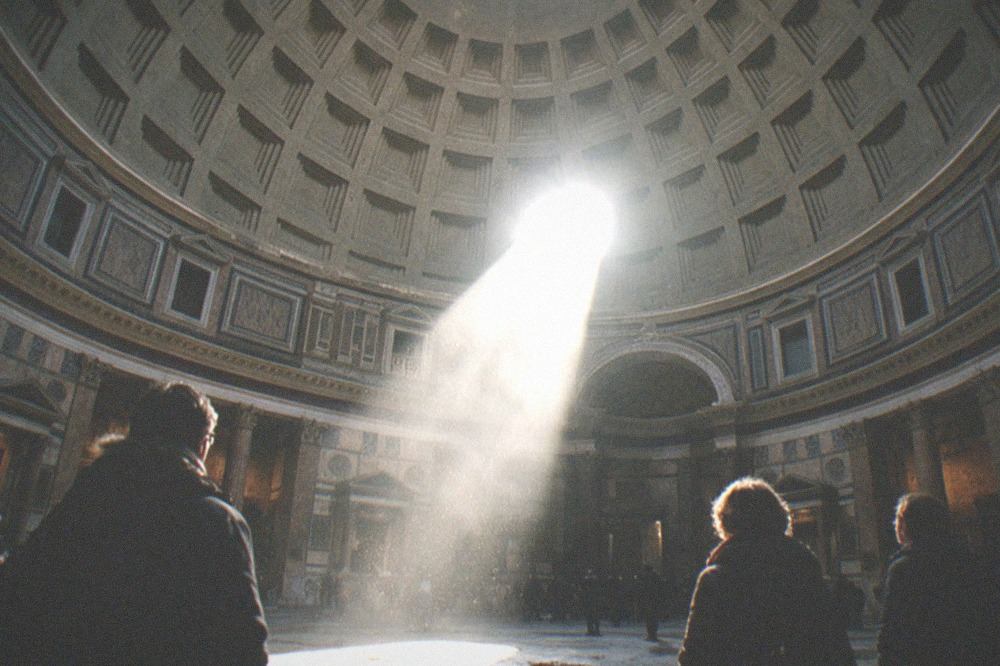
The Pantheon is open daily from 09:00 to 19:00, with last entry at 18:30 and ticket desks closing at 18:00. It closes on 25 December and 1 January, and the basilica's own site also lists 15 August. Access runs in time slots capped at 1,200 people, and ticket sales stop an hour before any scheduled liturgical activity.
The slot cap is the detail that changes your day. Because entry is metered at 1,200 people per slot between 09:00 and 18:00, the queue moves in surges rather than continuously, and mid-morning is where the surges stack up. Late afternoon, after 16:00, the building thins out noticeably, and on a first Sunday the last two hours of ticketing are often the calmest of the whole day.
The dress code is published by the Ministry and it is enforced: shoulders covered, no shorts or very short skirts, no low-cut or transparent clothing. This is a functioning basilica, not a ruin, and the code is the same in kind as the one at St Peter's even if the enforcement is lighter. Visitors turned away at the door for clothing are the most avoidable disappointment in the whole visit.
| Item | Detail |
|---|---|
| Opening hours | Daily 09:00 to 19:00 |
| Last entry | 18:30 |
| Ticket desks close | 18:00 |
| Slot cap | 1,200 people per slot, 09:00 to 18:00 |
| Saturday Mass | 17:00, free entry during worship |
| Sunday and holiday Mass | 10:30, free entry during worship |
| Closed | 25 December, 1 January, and 15 August per the basilica's site |
| Dress code | Shoulders covered, no shorts or very short skirts |
What Free Things Are Near The Pantheon?
Piazza della Rotonda itself is free and unticketed, and the Pantheon's exterior, columns and portico cost nothing to admire from the square. Nearby, Santa Maria sopra Minerva is free to enter on provisional hours, and the walk toward the Trevi Fountain passes through free public space the whole way, though the fountain's inner perimeter now carries its own EUR 2 charge for non-residents. A free walk covers this ground: 11 Spots, 2 Hours 45.
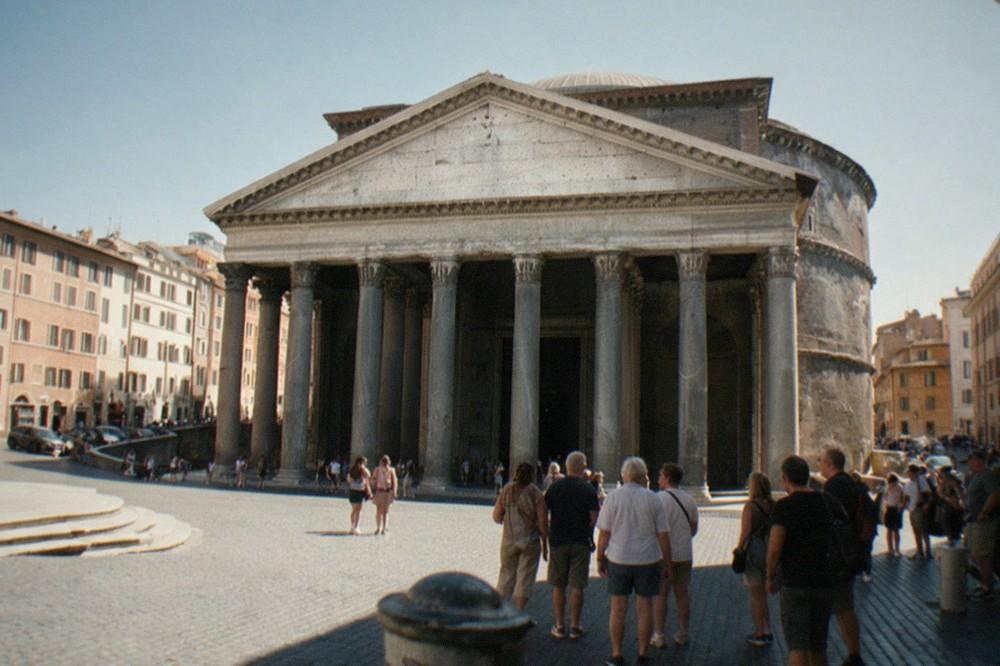
Start with the square, because it is genuinely the best free view of the building. The Pantheon was designed to be approached and circled, and the portico's sixteen granite columns read differently from every side of Piazza della Rotonda. There is no ticket, no timed entry and no published access restriction for the square, and the fountain at its centre, Giacomo della Porta's work restored under Pope Alexander VII, is part of the same free scene.
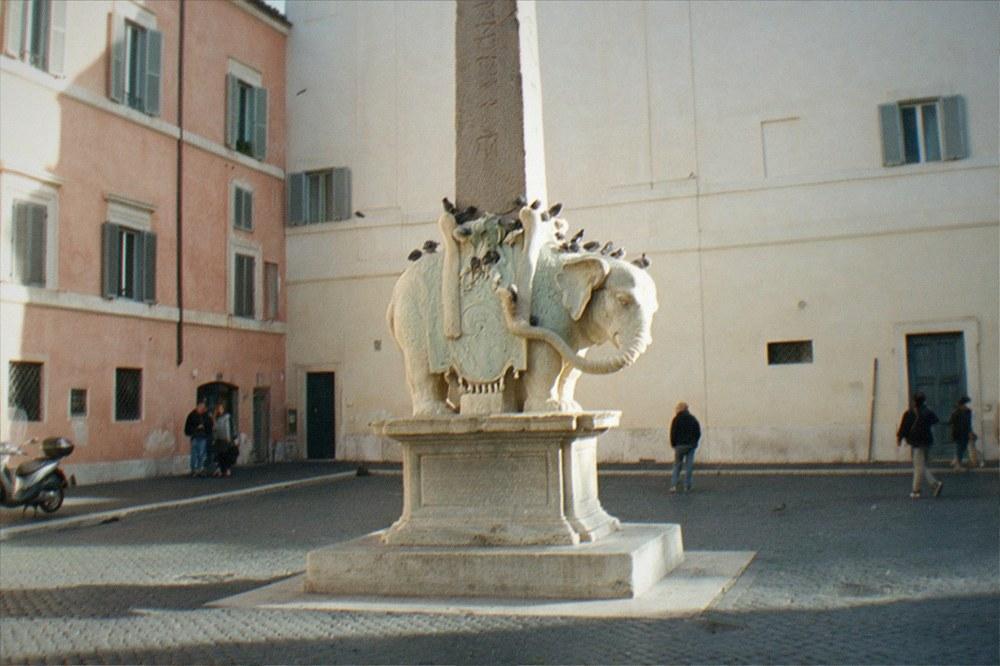
Santa Maria sopra Minerva, a few minutes away behind the Pantheon, is Rome's only Gothic church and holds Michelangelo's Christ the Redeemer and a Bernini elephant sculpture in the piazza outside. Entry is free, and the church is currently on provisional restoration hours: Monday to Friday 16:00 to 19:30, Saturday and Sunday 10:30 to 13:00 and 14:00 to 19:30. Those hours are published by the basilica itself, which matters, because this church long had no operational information online at all.
The walk from the Pantheon to the Trevi Fountain is the classic free linking route through the historic centre, and it is exactly the territory the Bilingual Center Walk covers: rated 4.82 across 1,529 GuruWalk reviews, two hours and fifteen minutes, English and Spanish, meeting at Foro Traiano. It threads the imperial fora, the Pantheon district and the centre's squares with a local guide and no upfront cost.
For a wider loop that still costs nothing to join, the Two-Hour Highlights Walk runs from Campo de' Fiori through the centre's headline squares, rated 4.9 across 722 GuruWalk reviews. It is the shorter, English-only sibling of the centre walks, and it suits a visitor who wants the geography explained once and then plans to return to the Pantheon on a free Sunday with the layout already in their head.
| Nearby free thing | What it is | Condition |
|---|---|---|
| Piazza della Rotonda | The square and the Pantheon's exterior | Free, unticketed, no published hours |
| Santa Maria sopra Minerva | Gothic church, Michelangelo sculpture | Free, provisional hours apply |
| Walk to the Trevi Fountain | Route through the historic centre | Free; fountain basin is EUR 2 for non-residents |
| Sant'Ignazio di Loyola | Church with the famous false dome | Free, open daily until 23:30 |
Churches are the quiet story of free Rome generally, and the Pantheon sits inside the densest cluster of them in the city. The free churches in Rome guide catalogues which ones are free in the institution's own words, which have paid crypts or cloisters attached, and where the distinction trips visitors up, because San Clemente's EUR 10 ticket, for instance, is for the excavations underneath, not the church above.
Is The Pantheon Worth Paying For?
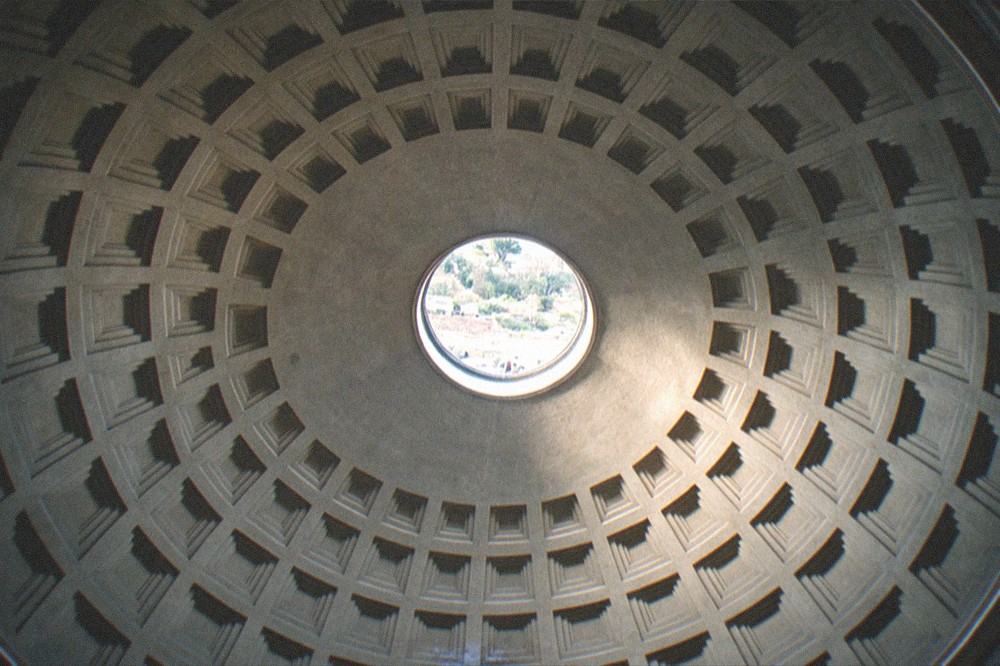
On a non-free day, the Pantheon remains one of the best-value paid entries in Rome: the largest unreinforced concrete dome ever built, in continuous use for fourteen centuries, with an interior you can absorb in under an hour. Whether you pay or plan around a free route, the building itself rewards the visit, and the oculus light changes by the hour. One of the free walking routes passes through here: 11 Spots, 2 Hours 45.
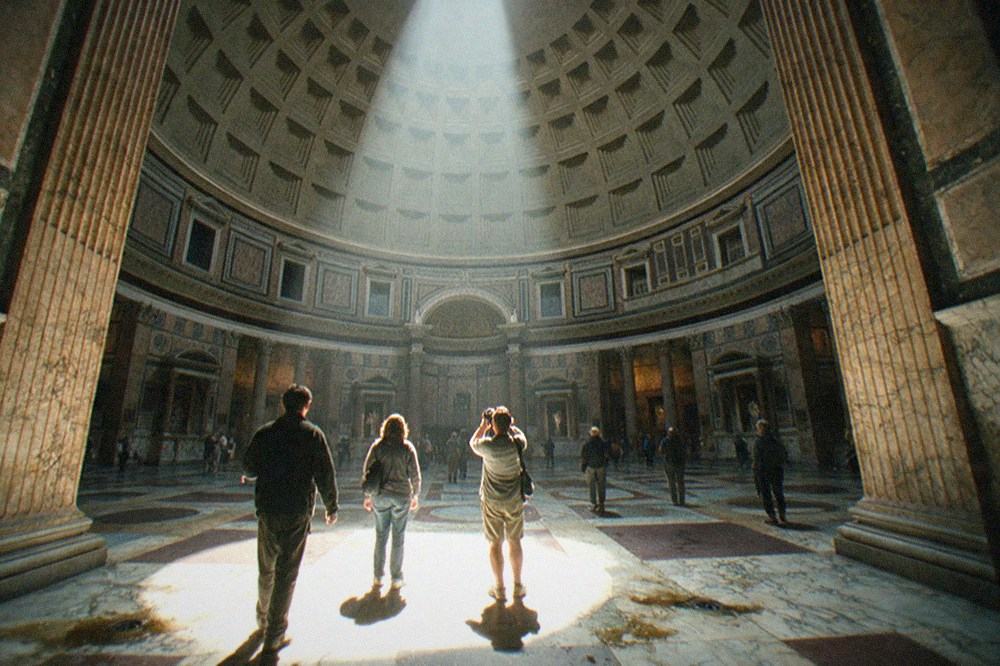
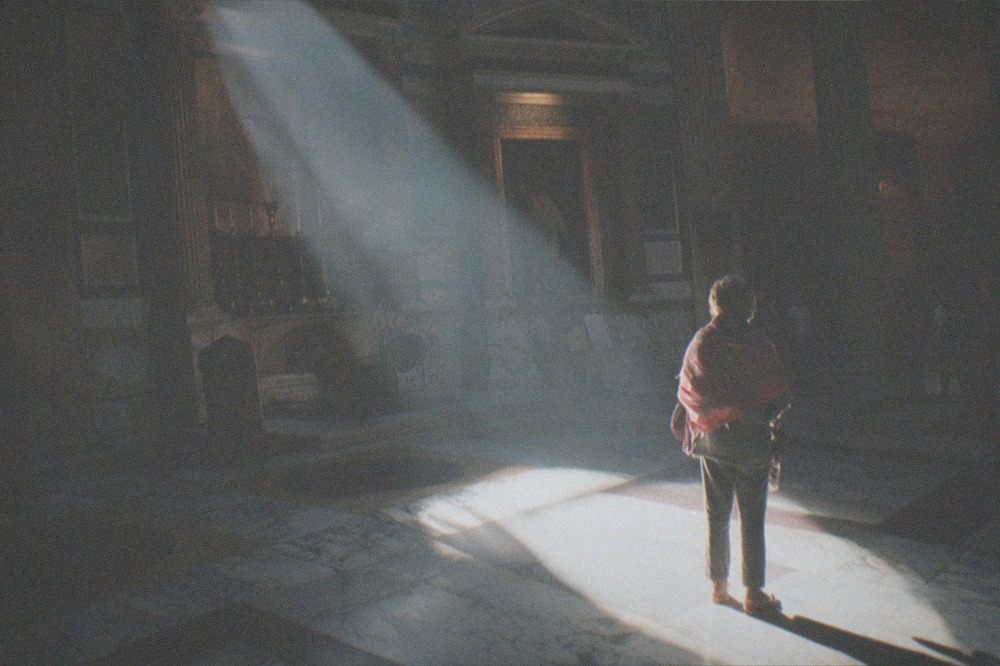
The case for paying is simple arithmetic of experience against time. The visit is short, thirty to forty-five minutes for most people, but the interior is unlike anything else in the city: a perfect sphere of space, the coffered dome thinning as it rises, and the nine-metre oculus as the only light source, throwing a moving disc of sun across the walls and floor that functions as a slow clock. On a rainy day the water falls straight through and drains through holes cut in the floor by the original builders.
The case for not paying is equally simple, because the free routes are real and frequent. If your trip spans a first Sunday, use it. If you are travelling with children, they never pay. If your schedule is flexible on a weekend, the Mass windows are standing invitations. A visitor who plans even loosely can see the Pantheon for nothing, and the money saved goes a long way elsewhere in a city where an espresso at the counter averages around EUR 1.19 in the province of Rome.
One planning note for the indecisive: the Pantheon's central position makes it a natural anchor for a whole free day in the historic centre. This site's own self-guided walking tour of Rome uses it as a waypoint, and the surrounding quarter, from Piazza Navona to Campo de' Fiori, is almost entirely free public space. For a broader look at how Rome's pricing has shifted and where the genuinely free things remain, start with Free Things To Do In Rome and work outward.
Common Questions About The Pantheon Being Free
Is the Pantheon free?
Not for most adults on most days. Entry is ticketed, but it is free for anyone under 18 of any nationality, free for everyone on the first Sunday of the month, and free during Mass and other liturgical activity, when the basilica is open for worship at no charge.
What day is the Pantheon free?
The first Sunday of every month, through the Ministry of Culture's Domenica al Museo scheme. Free tickets are collected on site at the cash desks and automatic totems rather than booked online, and the free ticket gives no priority access, so expect to queue.
Why is the Pantheon no longer free?
A 2023 agreement between the Ministry of Culture and the Diocese of Rome introduced a ticket for the building in its museum capacity. Worship remained free, which is why the Mass exemption and the under-18 and first-Sunday routes still exist.
How much does the Pantheon cost?
No official page currently publishes the price in a verifiable form, so no figure is quoted here. Tickets are sold only through the official Museiitaliani portal or app, or on site at the cash desks and totems. Check one of those channels rather than a reseller.
Can you visit the Pantheon during Mass for free?
Yes. Mass is held at 17:00 on Saturdays and days before holidays, and at 10:30 on Sundays and holidays, and the basilica is open for worship at no charge during services. Ticket sales stop one hour before each liturgical activity.
Do children pay at the Pantheon?
No. Entry to state sites is free for visitors under 18 of any nationality, with under-12s accompanied by an adult. The EUR 2 reduced rate for 18 to 25 year olds is a separate, EU-citizen rate and does not automatically apply to non-EU visitors.