Is The Trevi Fountain Free? The EUR 2 Ticket Explained
The Trevi Fountain stopped being entirely free on 2 February 2026, when Roma Capitale introduced a EUR 2 ticket for the inner perimeter around the basin. The fountain itself is still free to see from the square at any hour, and plenty of visitors never pay a cent. Here is exactly where the line sits, who is exempt, and how to plan around it.
Short answer
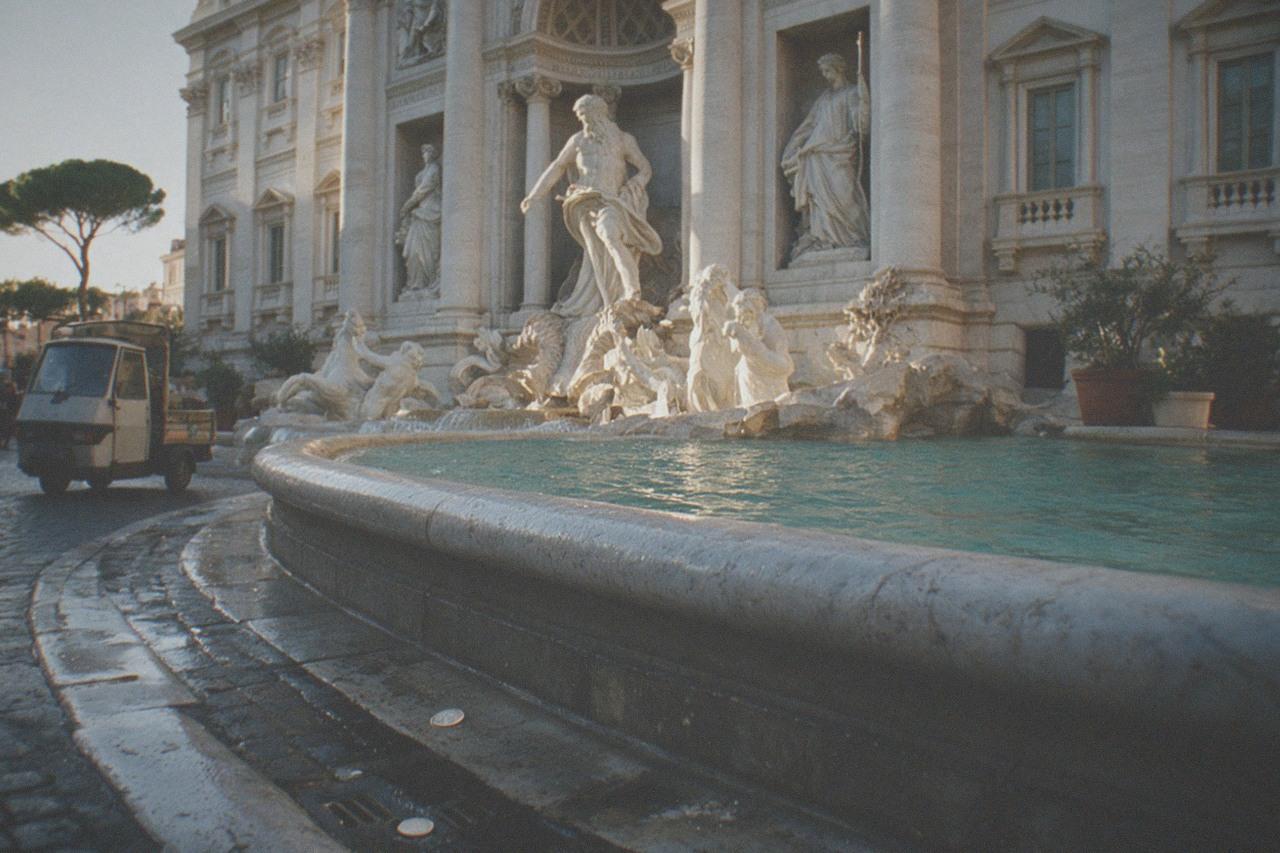
The Trevi Fountain is free to see from Piazza di Trevi at any hour, including after the 22:00 ticket cut-off. Since 2 February 2026, non-residents pay EUR 2 to enter the inner perimeter at the basin, daily 09:00 to 22:00, including the first Sunday of the month. Residents of Rome and the Città Metropolitana, children under 6, and visitors with disabilities enter free.
Is The Trevi Fountain Free To Visit?
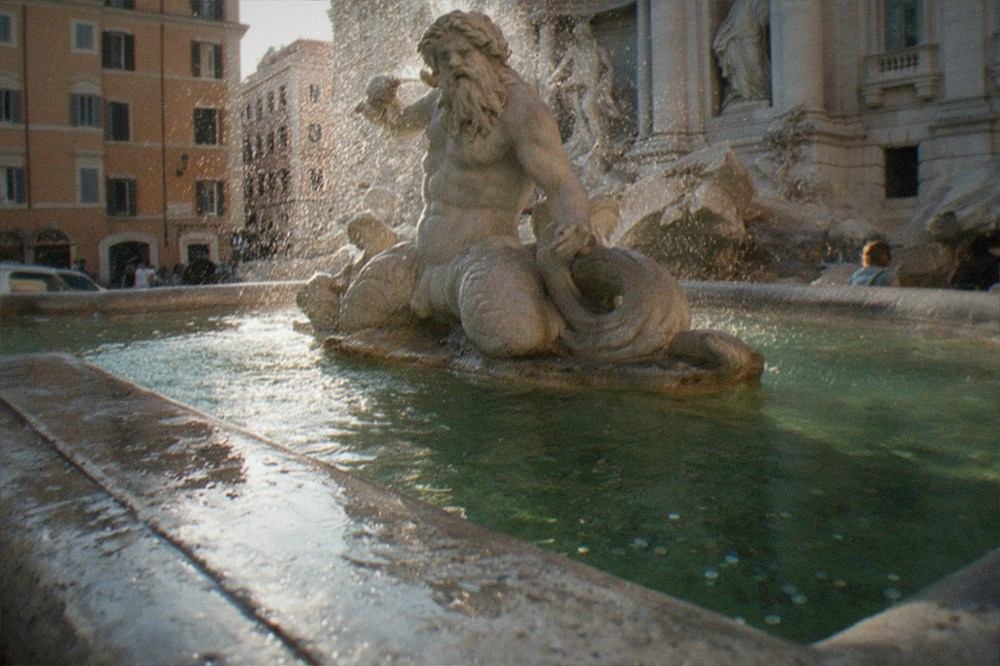
The Trevi Fountain is free to see from Piazza di Trevi at any hour of the day or night, and it stays free after the 22:00 ticket cut-off, in the city's own words. What changed on 2 February 2026 is the inner perimeter: the low terraced area right at the basin now costs EUR 2 for non-residents during payment hours. The view from the square costs nothing and never has.
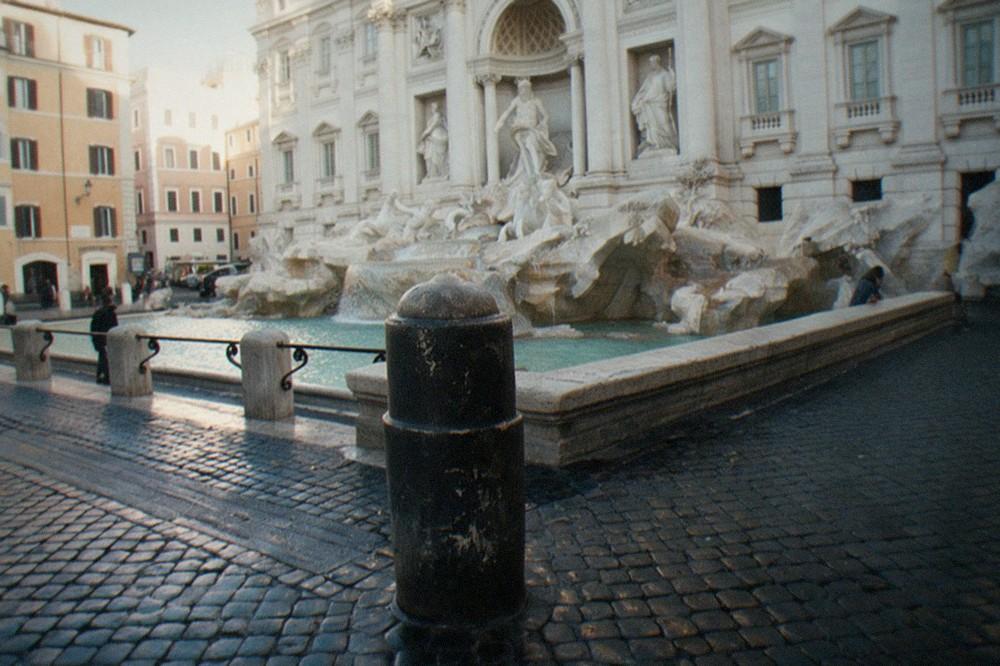
This is the distinction almost every older guide gets wrong, in one direction or the other. Saying "the Trevi Fountain now costs money" is false: Roma Capitale's own press release states that after the daily 22:00 closing of the ticketed area, the fountain remains visible free to everyone. Saying "the Trevi Fountain is free" is equally false for anyone who wants to stand at the basin between 09:00 and 22:00, because the EUR 2 charge applies every single day, first Sunday of the month included, as the tariff announcement states in so many words. One of the free walking routes passes through here: Bilingual Secrets Of Rome.
The change followed a one-year trial running from December 2024 to December 2025, so this is not a pilot that might quietly disappear. Roma Capitale framed it as a crowd-management measure as much as a revenue one: the piazza records an average of 30,000 visitors a day, peaks of 70,000, and more than 9 million a year, figures the city itself published to justify the charge. If you are planning a wider budget, our Rome on a budget guide covers how this fits with everything else you will spend.
For most visitors the honest summary is this: you can have a complete Trevi experience, see every statue, take the classic photo and even toss a coin from the upper edge of the square, without paying. The EUR 2 buys you the closest terrace and the least crowded angle at the water itself.
What Exactly Does The EUR 2 Trevi Ticket Cover?
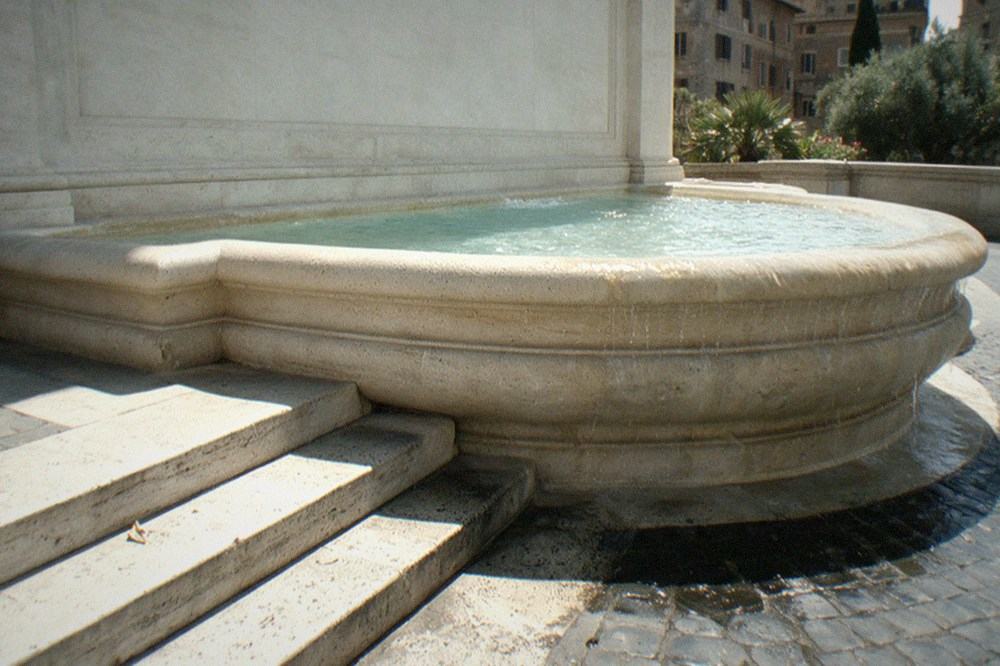
The EUR 2 ticket covers entry to the inner perimeter only: the stepped, low-lying area directly around the basin where visitors stand at the water. It does not include a tour, an audio guide, a timed slot or any priority access, and it applies daily from 09:00 to 22:00, from 11:30 on Mondays and Fridays, with last entry at 21:00. The fountain viewed from the rest of Piazza di Trevi remains free at all hours.
The ticket is deliberately simple. It is open-dated, carries no advance-sale surcharge, and is sold at ten SmartPOS card terminals at the entrance, online at the fountain's official site, at the Sistema Musei ticket offices, at Tourist Infopoints and at authorised retailers. You cannot overpay for it by accident and there is no "skip the line" upsell, because there is no line product at all: the perimeter simply admits people up to capacity.
| Part of the Trevi experience | Cost | When |
|---|---|---|
| Viewing the fountain from Piazza di Trevi | Free | Any hour, every day |
| Entering the inner perimeter at the basin | EUR 2, non-residents | 09:00 to 22:00, 11:30 start on Mondays and Fridays |
| Inner perimeter after 22:00 | Free to everyone | Daily after the cut-off |
| Inner perimeter on the first Sunday of the month | Still EUR 2 for non-residents | Charge explicitly stays in force |
| Inner perimeter for residents with ID | Free | Any hour |
The revenue has a stated destination, which is unusual and worth knowing. Roma Capitale's press release on the first month of ticketing records 229,896 entries between 2 February and 2 March 2026, of which 217,597 were full price, and EUR 435,194 raised, which the city says funds free civic-museum entry for residents and the maintenance and protection of the heritage itself. The Trevi charge and the museum changes of February 2026 are one policy, not two.
Mayor Roberto Gualtieri's own reading of those numbers, in the same press release, was that they show it is possible to combine protecting an extraordinary monument with full public access, and that Romans can finally visit it again without the overcrowding. Whether the piazza genuinely feels calmer is a matter of debate among visitors, but the policy's stated purpose is on the record.
A natural way to see the Trevi in context, rather than as a standalone queue, is a pay-what-you-want walking tour. The 11 Spots, 2 Hours 45 walk on GuruWalk, rated 4.95 across 6,498 GuruWalk reviews, strings the Trevi Fountain together with the Pantheon and the centro storico's other headline sights in one English-language route, and costs nothing up front.
If you would rather go alone, the practical advice is simple: decide before you arrive whether the basin-level view matters to you. From the upper square the fountain reads at its full theatrical height, and many photographers argue it composes better from there anyway. The EUR 2 is small, but the point of knowing the rule is that it becomes a choice rather than a surprise at the barrier.
Who Gets Into The Trevi Basin For Free?
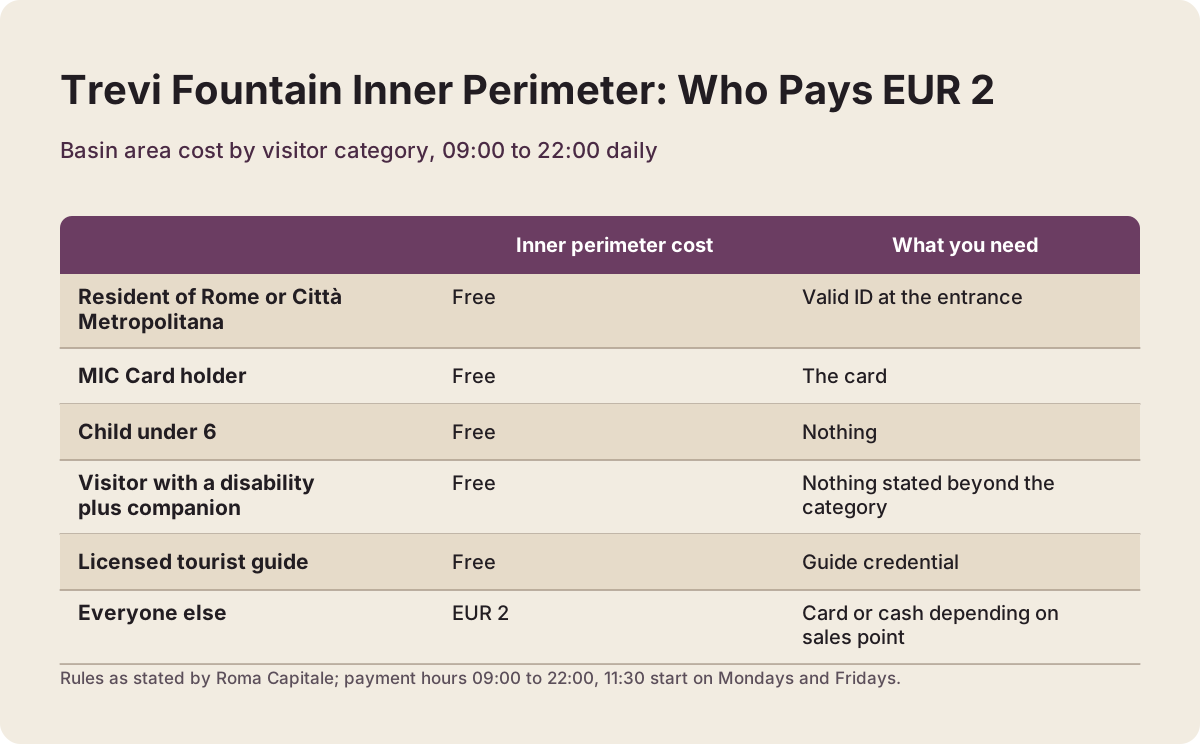
Residents of Rome and the Città Metropolitana enter the inner perimeter free with valid ID, as do MIC Card holders, children under 6, and visitors with disabilities travelling with a companion. Licensed tourist guides are also exempt. Everyone else, of every nationality and age above 6, pays the EUR 2 during payment hours. After 22:00 the perimeter is free to absolutely everyone.
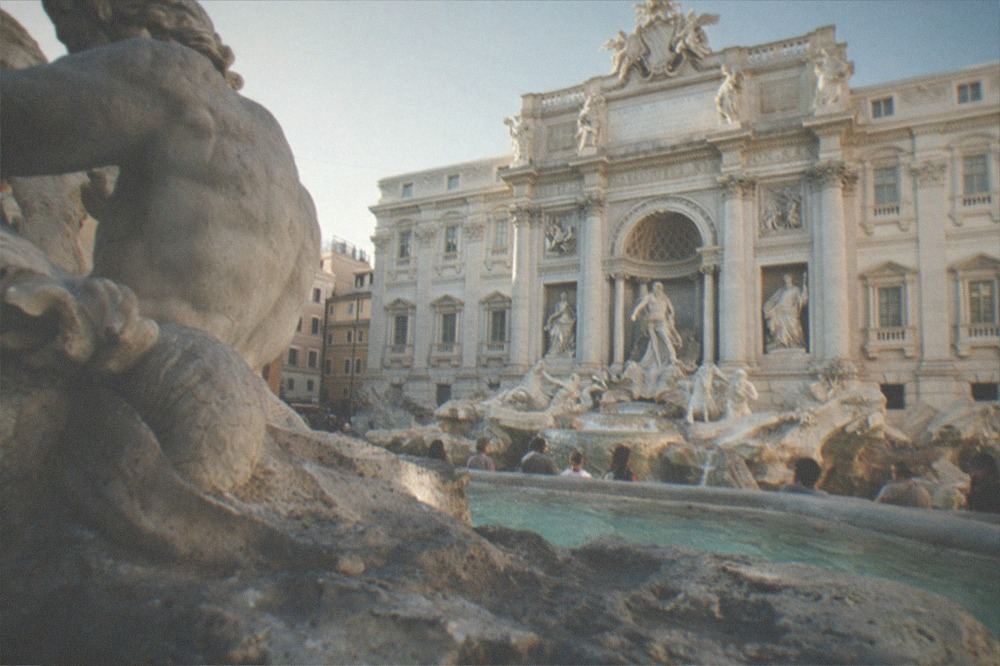
The exemption list is shorter than people expect. There is no student rate, no senior rate, no EU rate and no family cap: the EUR 2 is flat. The MIC Card route only matters if you qualify to buy one, and most visitors do not, because the card costs EUR 5 for twelve months and is restricted to residents, people temporarily domiciled in the city and students at Rome universities. A tourist cannot buy one, so it is not a loophole worth chasing.
| Visitor category | Inner perimeter cost | What you need |
|---|---|---|
| Resident of Rome or Città Metropolitana | Free | Valid ID at the entrance |
| MIC Card holder | Free | The card |
| Child under 6 | Free | Nothing |
| Visitor with a disability plus companion | Free | Nothing stated beyond the category |
| Licensed tourist guide | Free | Guide credential |
| Everyone else | EUR 2 | Card or cash depending on sales point |
One detail worth flagging: the free categories apply to the perimeter, not to a separate "experience". There is no premium tier at the Trevi, no evening event ticket, no guided access product sold by the city. If someone in the piazza offers you a "Trevi skip-the-line ticket" or a "Trevi tour pass", they are selling something the city does not sell, and the official channels are the SmartPOS terminals, the fountain's own site and the authorised retailers listed above.
The first-Sunday point deserves its own sentence because it trips people up. Rome's state museums run a free first Sunday, which our free Sundays in Rome guide covers in detail, and visitors reasonably assume the Trevi joins in. It does not. Roma Capitale's tariff page states the charge stays in force on the first Sunday of the month, so plan that day around the Colosseum and the Pantheon, not the fountain's basin.
When Is The Best Time To See The Trevi Fountain For Free?
The fountain is free to everyone after 22:00, when the ticketed perimeter closes, and the square itself is free at any hour, so the two genuinely free windows are late evening and early morning. Payment hours run 09:00 to 22:00, shifting to an 11:30 start on Mondays and Fridays, with last entry at 21:00. The after-22:00 window is the one the city itself promotes.
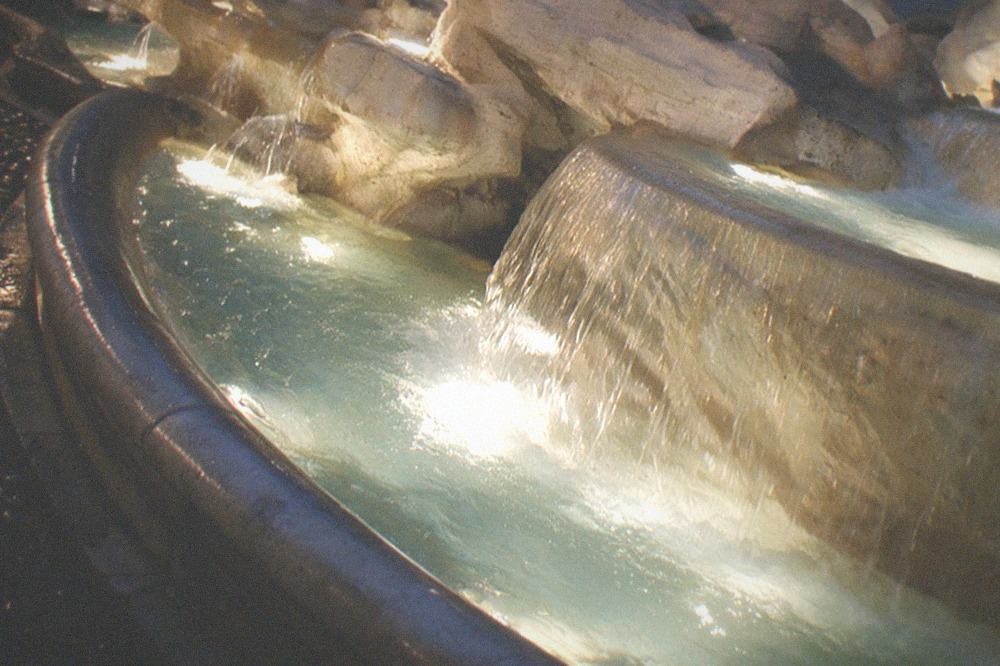
The evening window is the sleeper pick. The fountain is floodlit, the day-trip crowds have largely gone, and the city's own wording, that the fountain remains visible free to all after the 22:00 closing, means the perimeter itself opens up. You will not be alone, because everyone who reads this advice has the same idea, but the difference from mid-afternoon is dramatic. Rome's artistic lighting network is real infrastructure: the grid company Areti maintains around 11,425 artistic and monumental light points across the city, so the fountain at night is a designed spectacle, not an accident of floodlights. A free walk covers this ground: Bilingual Center Walk, 2 Hours 15.
Early morning is the other option, before the 09:00 payment start, and it doubles as the best photography light of the day. Between roughly dawn and 09:00 you get the square nearly to yourself, soft light on the travertine, and free access to everything. The trade-off is that shops and cafés in the surrounding lanes open late, so plan breakfast elsewhere first.
If you are building an evening around free sights rather than just the fountain, our free things to do in Rome at night guide collects the late-open churches, the always-accessible Gianicolo viewpoint and the night-bus routes that make a car-free evening practical.
Can You Still Throw A Coin In The Trevi Fountain?
Yes, the coin toss continues, and it is the reason most people enter the paid perimeter at all. The tradition of throwing one coin over your shoulder to guarantee a return to Rome predates the ticket by decades and has not been restricted. The practical reality is that the classic over-the-shoulder throw is done from the basin edge, inside the EUR 2 zone, during payment hours. One of the free walking routes passes through here: Bilingual Secrets Of Rome.
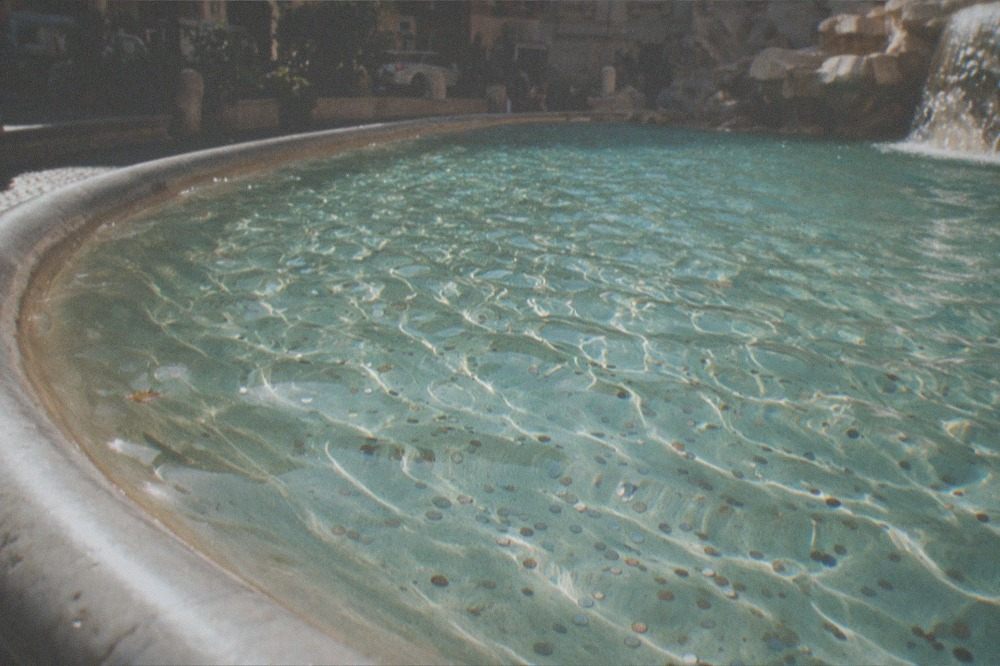
The coins themselves are a serious operation rather than pocket change. The fountain's takings have long been collected and directed to charity, and the volume is a function of those 30,000 daily visitors. What the ticket changed is not the toss but the standing room around it: fewer people inside the perimeter means the throw is less of a contact sport than it was at peak hours in the old free-for-all. Other pages covering the same trip are gathered on Free Things To Do In Rome.
There are rules of etiquette that predate and outlast the ticket. Do not wade in, do not sit on the statuary, and do not fish coins out, all of which are enforced rather than theoretical. The fence improvements around the fountain, agreed between the Sovrintendenza Capitolina and the state Soprintendenza, began in January 2026 and are carried out only at night, so you may see work barriers in the evening without the fountain itself being closed.
For the full ritual in one sentence: one coin over the left shoulder means you return to Rome, two mean you return and fall in love, three mean you return, fall in love and marry. The city has never charged for the superstition, only for the floor space.
What Else Is Free Around The Trevi Fountain?
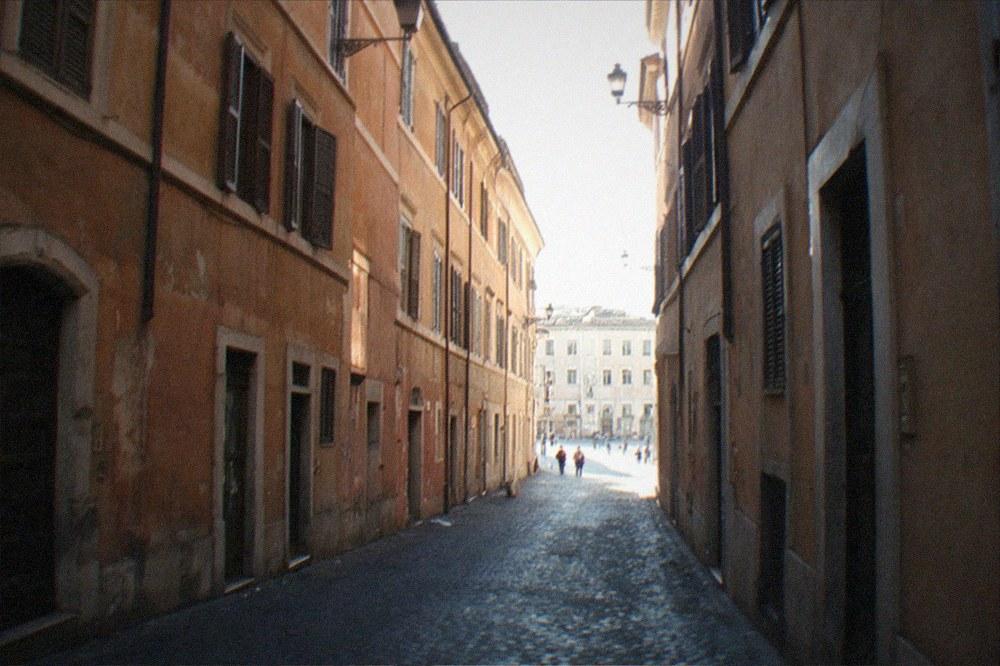
A lot, because the Trevi sits in the densest free-sightseeing grid in Rome. The Pantheon is a short walk away and has its own free-entry conditions, the Spanish Steps, Piazza Navona, Campo de' Fiori and Piazza della Rotonda are all unticketed public squares, and the free churches of the centro storico, including Sant'Ignazio with its famous false dome, cluster within the same quarter. None of them has introduced a ticket. One of the free walking routes passes through here: 11 Spots, 2 Hours 45.
The Pantheon deserves the first mention because it is the Trevi's natural pairing and carries its own conditions. Entry is ticketed, but it is free for anyone under 18 regardless of nationality, free for everyone on the first Sunday of the month with tickets collected on site, and free during Mass. Our is the Pantheon free guide walks through all of it, including what the free ticket does and does not include.
The squares need no guide at all. Roma Capitale publishes no ticket, fee, timed entry or crowd cap for the Spanish Steps, Piazza Navona, Campo de' Fiori or Piazza della Rotonda, and no announcement of one was found. That is an absence of a restriction rather than a promise, which after Trevi is a distinction worth keeping in your head, but for now all four cost nothing to wander. This stop sits on a free walking route, Two-Hour Highlights Walk.
The churches are the quiet jackpot. Sant'Ignazio di Loyola is free, open daily until 23:30, and publishes an explicit warning that agencies charging for entry are not acting for the church. San Luigi dei Francesi, with three Caravaggios, states flatly that no ticket is required. A bilingual option for covering this whole grid is the Bilingual Center Walk, 2 Hours 15 on GuruWalk, rated 4.82 across 1,529 GuruWalk reviews, which runs in English and Spanish through the same centro storico streets.
If your energy holds, the free viewpoints are walkable too. The Terrazza del Pincio inside Villa Borghese and the always-open Gianicolo terrace both cost nothing, and our best free views in Rome guide maps which ones earn their walk.
How Does The Trevi Charge Compare With Rome's Other Paid Landmarks?
The Trevi's EUR 2 is the smallest paid-access charge among Rome's headline monuments by a wide margin. The Vittoriano's panoramic terrace sits inside an EUR 18 combined ticket, Castel Sant'Angelo charges EUR 18 full since July 2026, the Galleria Borghese costs EUR 16 plus a compulsory EUR 2 booking fee, and the Colosseum park's standard ticket covers 24 hours. The Trevi remains the cheapest paid thing on the list. This stop sits on a free walking route, 11 Spots, 2 Hours 45.
| Landmark | Headline cost | Free routes in |
|---|---|---|
| Trevi Fountain inner perimeter | EUR 2, non-residents | From the square at any hour, after 22:00 for everyone |
| Vittoriano monument | Free to enter | Terrace is EUR 18 combined, free first Sunday |
| Castel Sant'Angelo | EUR 18 full | Under 18, first Sunday of the month |
| Galleria Borghese | EUR 16 plus EUR 2 booking fee | Under 18, first Sunday with the booking fee still due |
| Pantheon | Ticketed, price on the official page | Under 18, first Sunday, during Mass |
| St Peter's Basilica | Free entry | Dome climb and audio-guide slots are separate paid products |
The pattern across that table is consistent: Rome in 2026 charges for the close-up and gives away the overview. The Vittoriano's monument floor is free while its terrace is ticketed, St Peter's nave is free while the dome climb costs, and the Trevi follows exactly the same logic with the smallest number attached. The Colosseum is the outlier, being fully paid outside its free Sundays, which our is the Colosseum free guide explains along with what the free Sunday ticket excludes. A free walk covers this ground: 11 Spots, 2 Hours 45.
For a fuller walk through the ancient side of the city, the Colosseum Walk, Bilingual, 1 Hour 45 on GuruWalk, rated 4.88 across 1,463 GuruWalk reviews, covers the amphitheatre and its surroundings in English and Spanish, and pairs well with a morning at the Trevi before the payment hours get busy.
The Two-Hour Highlights Walk above meets at Campo de' Fiori and, like every walk in this site's directory, is listed on GuruWalk by an independent local guide on a pay-what-you-want basis: you reserve free and decide the value at the end. GuruWalk's own Rome guidance puts typical tips at 10 to 20 euros per person, with some walkers leaving up to 50, which is the honest number to budget mentally even though nothing is charged up front.
Is A Free Walking Tour A Good Way To See The Trevi Fountain?
Yes, and it is arguably the most efficient free structure in the city for it, because the Trevi sits at the centre of nearly every centro storico route. The pay-what-you-want walks listed on GuruWalk cost nothing to reserve, are led by independent local guides, and typically pass the fountain alongside the Pantheon, Piazza Navona and the Spanish Steps, so the EUR 2 perimeter decision becomes the only money question of the morning. This stop sits on a free walking route, 11 Spots, 2 Hours 45.
The mechanics are worth understanding before you book anything. A free walking tour is free to reserve and free to walk; the guide is paid by tips at the end, and the platform's own guidance for Rome puts the typical range at 10 to 20 euros per person. Groups normally stay under about 35 participants. Every walk in this site's directory is a real listing on GuruWalk run by an independent guide, and this site takes no booking and employs no guides itself; it points at other people's tours.
The Trevi works especially well on a guided route because the fountain's story is largely invisible without it. The Aqua Virgo aqueduct feeding it has been running since 19 BC, the Salvi facade was a competition win, and the coin ritual's charity pipeline is easy to walk past unnoticed. A guide also solves the timing problem for you: most centro storico routes hit the Trevi early or late in the walk, which naturally avoids the midday crush.
If ancient Rome is more your interest than fountains, the English Ancient Rome walk, 2 Hours 15, rated 4.64 across 141 GuruWalk reviews, covers the Forum-side story, while the ghost-and-secrets evening walks flip the same streets into a night itinerary, which pairs neatly with the free after-22:00 Trevi window.
What Should You Not Do At The Trevi Fountain?
Do not enter the basin, sit on the statuary, fish coins out of the water, or buy a "skip-the-line Trevi ticket" from anyone in the square, because none of those products exist officially. Do not assume the first Sunday waives the EUR 2, because the city states it does not. And do not plan a coin toss for the basin edge during payment hours without the ticket, because the perimeter is checked. A free walk covers this ground: 11 Spots, 2 Hours 45.
The enforcement question is a fair one after years of loose crowds. The perimeter has staffed entry points with card terminals during payment hours, and the fence improvement works that began in January 2026, carried out at night, have tightened the physical boundary. This is not a suggestion box at the edge of the square; the EUR 2 is collected at the entrance.
The scam angle is smaller here than at the Colosseum or the Vatican, but it exists in the classic Roman forms: bracelet men, rose sellers and self-appointed photographers work the square, and none of them is connected to the fountain's management. The city has run visible enforcement against touts and unlicensed operators elsewhere in the centro storico, including a Polizia Locale operation near St Peter's in November 2025 that seized fake badges and tickets and issued over 10,000 euros in sanctions, so the pressure on unofficial sellers is real even when it is not always visible in Piazza di Trevi. A free walk covers this ground: Colosseum Walk, Bilingual, 1 Hour 45.
Finally, do not write off the square-only visit as a compromise. The fountain is 26 metres high and 49 wide, and its full composition reads from across the piazza in a way the basin-level view, for all its intimacy, cannot match. Free does not mean lesser here, and the city's own tariff announcement, along with the fountain's official site, both confirm the free viewing in writing. The full first-month figures sit in Roma Capitale's press release if you want the numbers from the source.
Common Questions About The Trevi Fountain And Free Entry
Is the Trevi Fountain free?
Partly. Seeing the fountain from Piazza di Trevi is free at any hour, and the whole site is free to everyone after the 22:00 ticket cut-off. Since 2 February 2026, non-residents pay EUR 2 to enter the inner perimeter at the basin, daily from 09:00 to 22:00, and the charge applies on the first Sunday of the month too.
Who does not have to pay the EUR 2 at the Trevi Fountain?
Residents of Rome and the Città Metropolitana with valid ID, MIC Card holders, children under 6, visitors with disabilities plus a companion, and licensed tourist guides. Everyone else pays the flat EUR 2 during payment hours.
Is the Trevi Fountain free on the first Sunday of the month?
No. Roma Capitale's tariff announcement states explicitly that the charge stays in force on the first Sunday of the month. The state museums' free first Sunday is a separate scheme and does not apply to the fountain.
Can you see the Trevi Fountain without paying?
Yes, at any hour. The fountain remains visible free from the square, and after 22:00, when the ticketed perimeter closes, the basin area itself opens to everyone at no charge.
Where do you buy the Trevi Fountain ticket?
At ten SmartPOS card terminals at the entrance, online at the fountain's official site, at Sistema Musei ticket offices, at Tourist Infopoints and at authorised retailers. The ticket is open-dated with no advance-sale surcharge.
Can you still throw a coin in the Trevi Fountain?
Yes. The coin tradition continues unrestricted, though the classic over-the-shoulder throw from the basin edge sits inside the paid perimeter during payment hours. After 22:00 the perimeter is free to everyone.